Last updated November 21, 2026
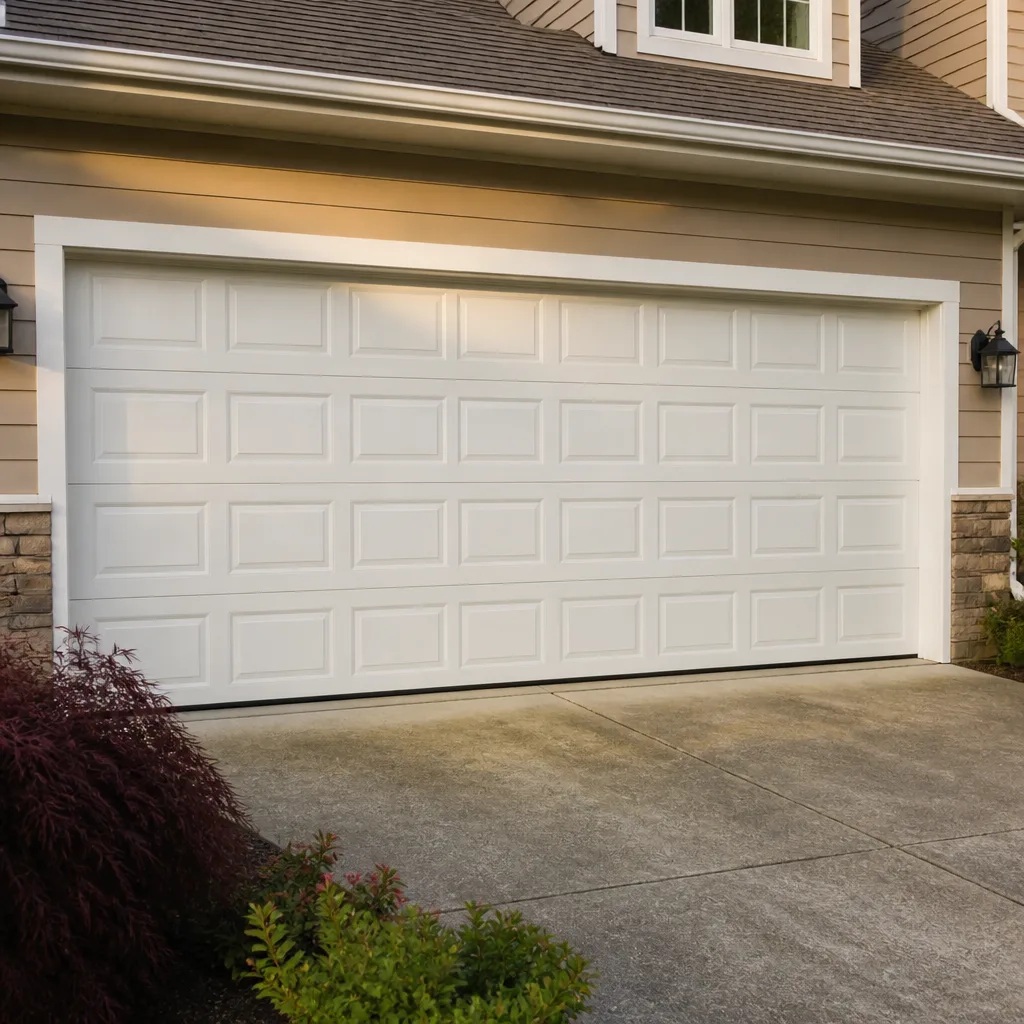 Raised-panel steel
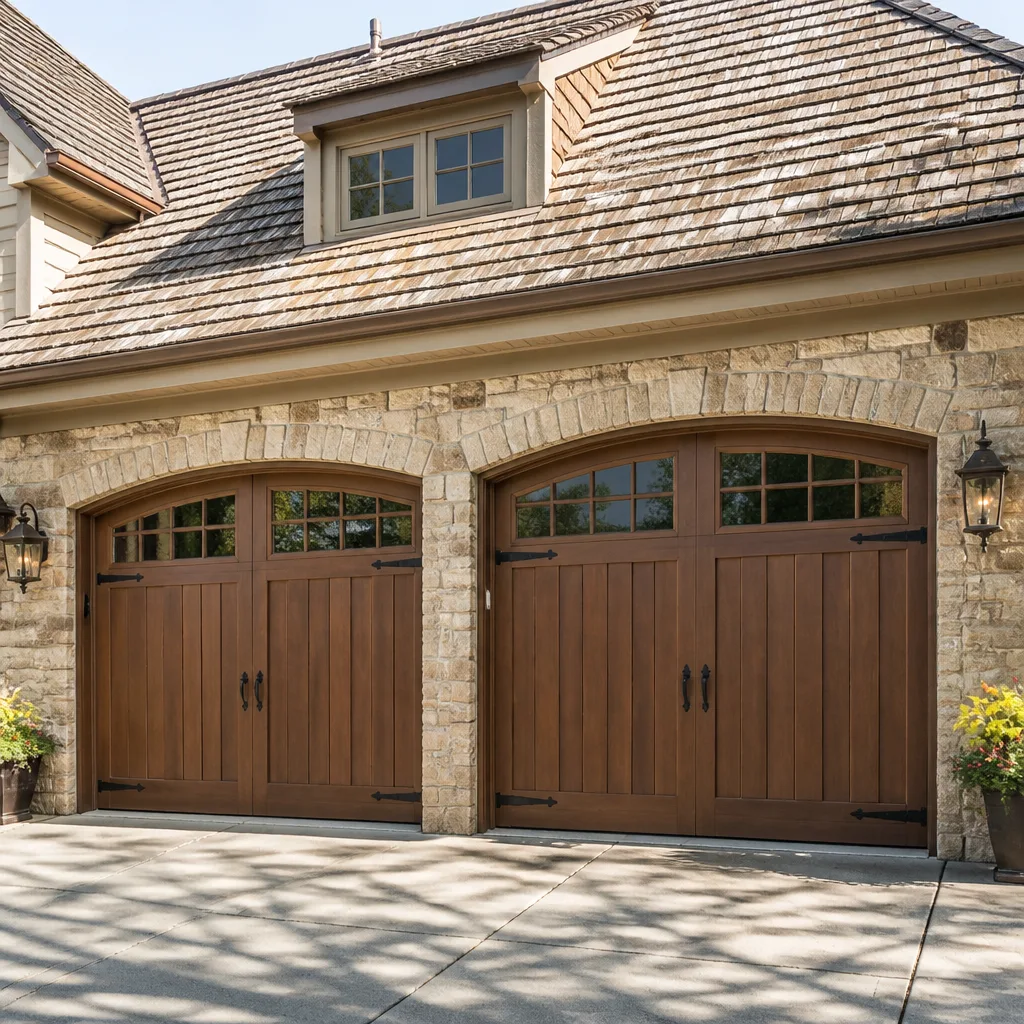 Carriage house
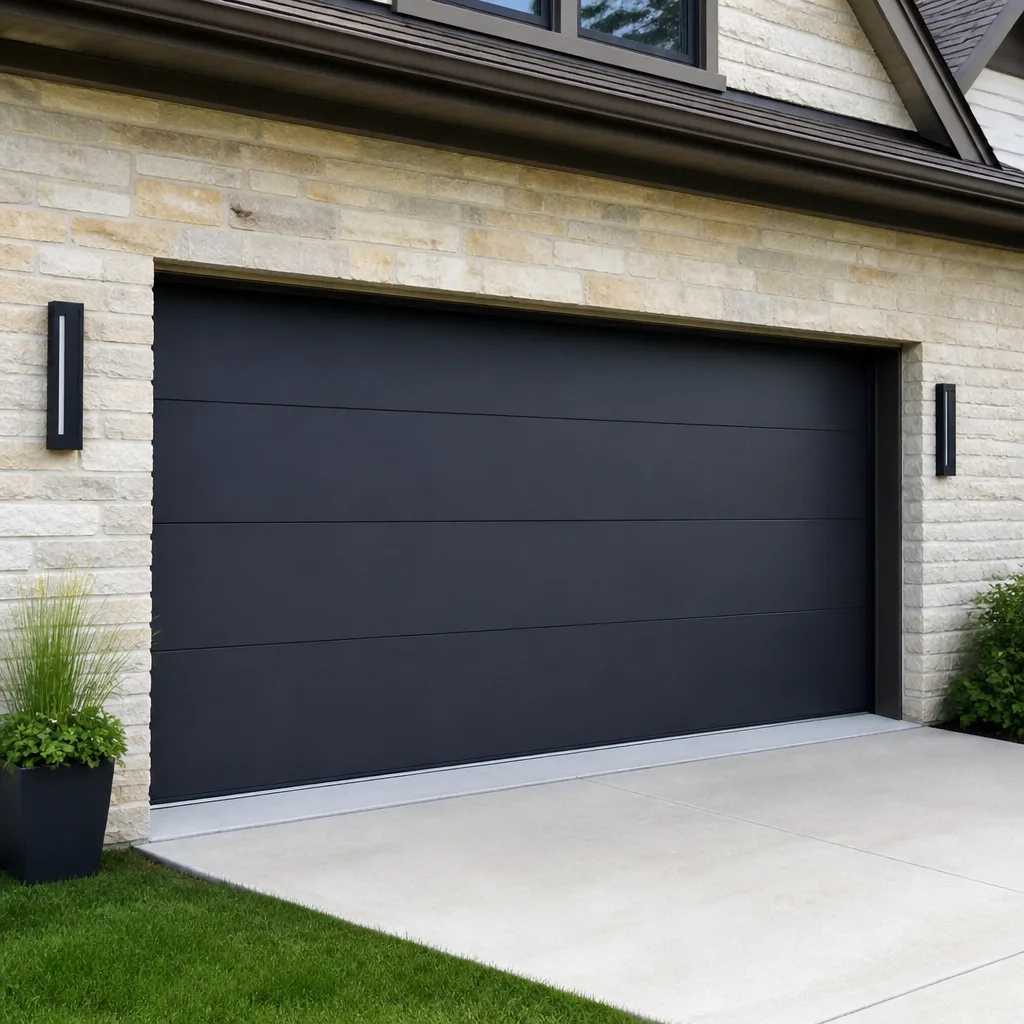 Modern flush
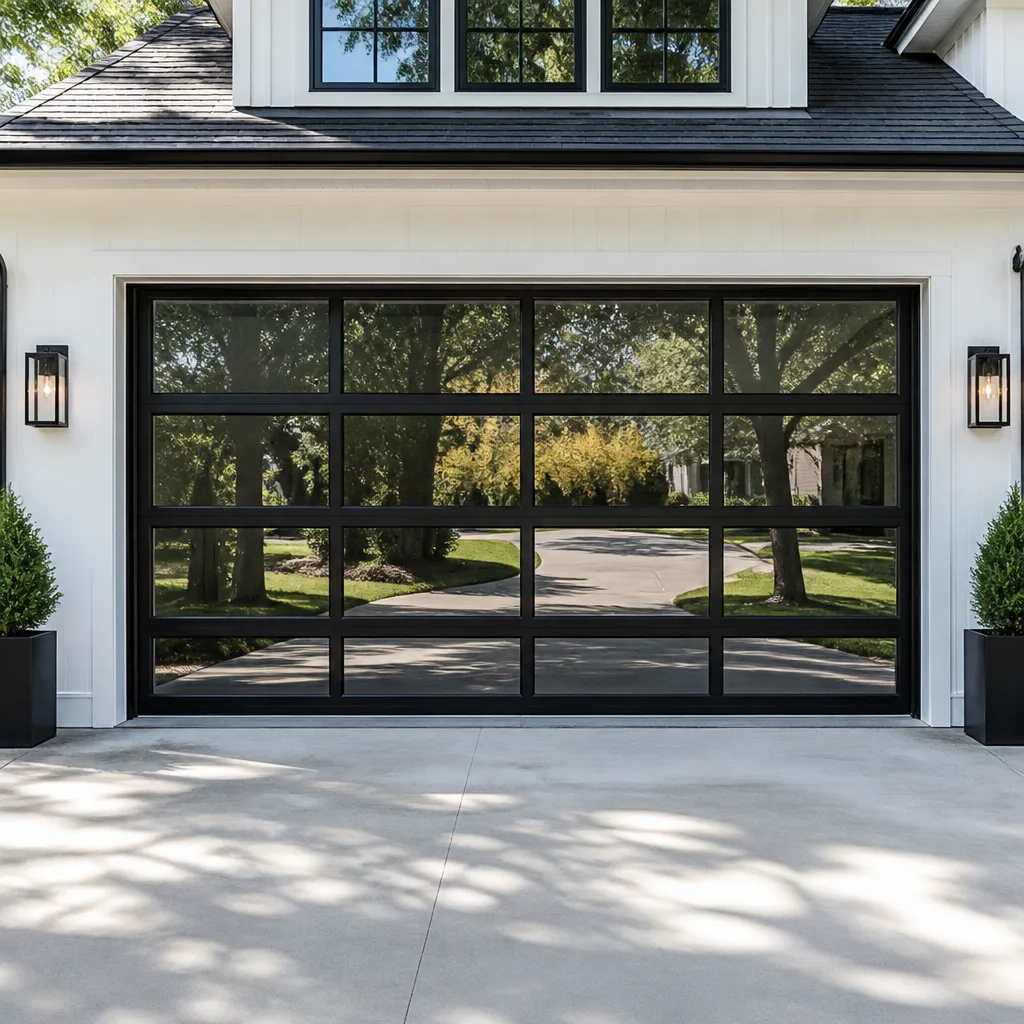 Full-view glass
 LiftMaster openers
 Chamberlain openers
Full 25-point door and opener safety check with every visit - springs, cables, rollers, tracks, and your LiftMaster or Chamberlain opener included
You get a price before we start. It does not change when the pro arrives.
Get your free estimateGarage Door Permits, Codes & Inspections in Woodridge, DC: What You Need to Know
Homeowners here assume a garage door is too small to bother the city with. That’s the mistake. DC has some of the most layered residential permitting rules in the country, and “it’s just a garage door” is not a safe assumption, especially in Woodridge neighborhoods where historic overlays and alley-access garages change the rules. Swapping springs or a panel is ordinary repair work. Rebuilding the opening around a new door, altering the structure of an alley garage, or changing a door in a historic district can pull you into the DCRA process. This guide explains where that line sits, what an inspector looks at, and how unpermitted work can follow you to a title company or an insurance claim years later.
Quick Answer
In Woodridge, DC, straightforward garage door repairs like spring, opener, or panel replacement generally don’t require a permit, but a full door replacement or any structural change to the opening, framing, or an alley garage often does, and historic overlay rules can add a design review on top. DCRA handles the permit and inspections, and the safest move before you sign anything is to call DCRA directly or ask the contractor to state in writing who is pulling the permit. When in doubt, get the permit: the paperwork is cheaper than the problem.
Styles & brands we work with
- Raised-panel steel
- Carriage house
- Modern flush
- Full-view glass
- LiftMaster openers
- Chamberlain openers
Table of Contents
- Repair vs. Replacement: Where the Permit Threshold Sits
- How Historic Overlays in Northeast DC Change the Rules
- Rough-In vs. Final Inspection: What Each One Covers
- What Unpermitted Work Does to Insurance and a Future Sale
- Alley Garages in Woodridge: Setbacks and Structure
- Who Pulls the Permit, and What It Should Cost You
- A Step-by-Step Walkthrough of the Permit Process
Repair vs. Replacement: Where the Permit Threshold Sits
The line between repair and replacement is the single most useful thing to understand before you call anyone. DCRA treats a repair as restoring what’s already there. Replacement is different, because a new door and the hardware that carries it change the load on the opening, and sometimes the framing itself.
Here’s how we’d break it down, in plain terms:
- No permit, in almost every case: replacing a torsion or extension spring, swapping an opener or wall control, replacing rollers, hinges, cables, or a single damaged section, and rebalancing a door that’s gone out of track.
- Usually a permit: a complete door replacement where the new door is a different weight, size, or operating type, any change to the header, jambs, or track mounting, and converting a manual door to an opener-driven one where wiring is added.
- Always worth a call to DCRA: any structural change to an alley garage, a new opening cut into a wall, or a replacement in a historic overlay district.
Woodridge sits in Northeast DC, and a lot of the housing stock here has older garages with original framing that’s been patched over the years. When we assess a door for replacement, we look at whether the existing opening can carry the new door’s weight and whether the jamb has moved. If it has, a permit isn’t bureaucracy, it’s the thing that gets a second set of trained eyes on the framing. That’s why our garage door repair estimates always separate “this is a repair” from “this needs a permit and a measure” so you know which conversation you’re having.
If your door is making a sound you don’t recognize or won’t close flush, that’s a repair question. Stop operating it, because a door that’s off its track under spring tension is genuinely dangerous. Call (844) 443-4173 and we’ll talk it through before anything else.
How Historic Overlays in Northeast DC Change the Rules
Woodridge has pockets where historic overlay rules apply, and those rules can reach the look of your garage door. DC’s historic preservation review isn’t only about the front facade of the house. A visible door on a garage facing an alley or a street can fall inside the review boundary, and that changes what you’re allowed to install.
What tends to matter in review:
- Style and panel profile. A modern flush door on an older garage can raise questions where a traditional raised-panel profile sails through.
- Material. Wood, steel, and aluminum each read differently, and the reviewer will compare your proposed door to the block.
- Color. A change of color alone sometimes needs sign-off, sometimes doesn’t. Ask the reviewer, not the neighbor.
- Windows and hardware. Glazed sections and decorative hinges are part of the design review packet.
In our experience, the homeowners who get stuck are the ones who ordered a door first and asked the city second. The order of operations matters. If you’re in an overlay, choose a door that fits the block, submit for review before the door is ordered, and expect the review to take real calendar time. As a specialist that works across Craftsmans, Raynor, LiftMaster, and Chamberlain equipment, we can tell you which door profiles are common in Woodridge’s older garages and which parts of a replacement are likely to be flagged, but the final answer comes from DC’s preservation review, not from us. We’ll tell you that plainly. Start any garage door installation plan with the permit and review question, not with a model number.
Where an overlay is involved, the review runs alongside the DCRA permit, not instead of it. You may need both.
Rough-In vs. Final Inspection: What Each One Covers
DCRA inspections for a garage door replacement are generally split into two phases, and knowing what each one checks clarifies what you’re paying the permit for. This is a numbered order because the sequence matters: you don’t get to the final until the rough-in passes.
- Rough-in inspection. This happens before the door and finish work go on. The inspector looks at the framing of the opening, the header, the track mounting points, and any electrical rough-in for the opener. The door isn’t installed yet, so what’s being checked is the structure that will carry it.
- Final inspection. Once the door is hung and the opener is wired and adjusted, the inspector checks that the door operates correctly, that the safety reverse functions, that the door is mounted per the approved plans, and that the electrical work matches the permit.
Two things routinely trip up homeowners. First, the rough-in gets skipped because the door was installed in one day and no one scheduled the inspection. Second, the opener wiring is done by someone who isn’t the door installer, and the final inspection finds the wiring wasn’t covered. Both are fixable, but both cost time.
If your opener is the part that failed and you’re not changing the structure of the opening, that’s a repair, not a permit item. Our garage door opener repair service handles the LiftMaster and Chamberlain units common in Woodridge homes without pulling you into the permit process at all, which is one reason we ask what kind of job it is before we even talk price.
What an inspector won’t do is verify your spring tension or your opener’s settings inside the motor housing. That’s your technician’s job, and it’s why a licensed professional should be the one setting up the door after installation.
What Unpermitted Work Does to Insurance and a Future Sale
Unpermitted garage door work rarely bites while you own the house. It bites at the two moments you can least afford it: a claim, or a closing.
Here’s how each tends to play out:
- Insurance claims. If the garage door is damaged and the insurer can show the work was unpermitted or not to code, coverage can be argued down or denied. You’re then negotiating with your own insurer from the weakest possible position.
- Future sale. A title or buyer’s inspector can pull permit records. Unpermitted structural work on an alley garage can surface as a repair request or a price reduction at the worst possible time.
- Refinancing. More lenders now look at permit history, and a garage with unpermitted framing can slow an appraisal.
- Liability. If a door fails and someone is hurt, the paper trail matters, and “the installer said it was fine” isn’t the paper trail a court wants.
DCRA has a permit history search the buyer’s agent can run. That’s not a scare tactic, it’s just how the sale process works in this city. If your garage door was replaced at some point and you don’t know whether it was permitted, run the search yourself now, while you can decide what to do about it. An after-the-fact permit or a correction is far cheaper before a buyer finds it.
What we can tell you is that a certified garage door specialist will give you a written scope that says plainly what’s repair, what needs a permit, and who’s pulling it. That document is the first thing any insurer or buyer’s attorney will ask for.
Alley Garages in Woodridge: Setbacks and Structure
A lot of Woodridge homes have garages that open onto the alley, and alley garages get their own set of rules. Setback, lot coverage, and structure all get looked at when you replace a door and touch the framing, because the garage sits inside your lot’s zoning envelope, not on top of it.
What typically gets reviewed:
- Setback from the alley. The distance from your garage wall or door to the alley line is regulated, and a door that projects further when open can count.
- Lot coverage. If the garage occupies a share of the lot, adding structure can push you past the allowance.
- Structural condition. Alley garages in Woodridge often have older masonry or framing that’s been patched. Any structural change needs to be shown to be sound.
- Height and roofline. If the door replacement comes with a header change, the roofline may shift, and historic or zoning review may weigh in.
The practical takeaway: if you’re only swapping a door and the opening stays as it is, your exposure is small. If you’re changing the opening, widening it, raising the header, or rebuilding the garage to accept a larger door, expect DCRA and possibly zoning review to weigh in. Alley access in Woodridge also affects the equipment we bring. If your approach is tight, tell us at the estimate. It changes how a job is scheduled, not whether it can be done.
Who Pulls the Permit, and What It Should Cost You
The party doing the work pulls the permit. If you’re hiring a contractor, say plainly that you expect the permit to be in their name, and if they push back, ask why. The permit fee in DC depends on the scope of work, and we won’t put a number on it here, because the fee schedule changes and the scope varies. What we can tell you is that the fee should appear as a line item in your written estimate, separate from the labor and the door.
Two things you should not do. Don’t pull the permit as a homeowner to save a fee, because it puts you on the hook for inspections you don’t know how to schedule. And don’t accept “we don’t need a permit for this” as a verbal statement. Ask for it in writing, and if it still feels off, call DCRA and ask.
The permit process is not the place to save money. It’s the thing that protects the money you’ve already spent on the door. Our technicians have up to 15 years of experience with garage doors, and we’ve seen what happens on both sides of this. When the permit is handled correctly up front, the final inspection is quick. When it’s not, it’s a conversation at closing.
A Step-by-Step Walkthrough of the Permit Process
Here’s the sequence as we’d lay it out for a Woodridge homeowner facing a garage door replacement or structural change:
- Confirm whether you’re in a historic overlay. Ask DCRA, or check the property’s review boundary before any order goes in. This is the step that most often changes the plan.
- Get the scope in writing. The estimate should state what’s being replaced, whether any structure is changing, and whether a permit is included.
- Confirm who pulls the permit. It should be the party doing the work, and it should be named in the estimate.
- Confirm the inspection schedule before installation starts. The rough-in inspection must be scheduled before the door goes on, so the schedule needs to be built around it, not squeezed in after.
- Complete the rough-in inspection. Framing, header, and track mounting get checked.
- Install the door and opener. This is when spring tension, opener settings, and safety reverse get set by a trained technician.
- Complete the final inspection. The door, opener, and electrical work are checked together against the approved scope.
- Keep the inspection records. You’ll want them for insurance and for a future sale.
If you’re not changing structure at all, most of this doesn’t apply and you’re in repair territory. For a spring that’s snapped or an opener that’s dead, our Garage Door Repair Woodridge service is about diagnosis and a fast, safe fix, not bureaucracy. Springs are the highest-risk part of the door and we don’t recommend anyone handle them without training. A wound torsion spring carries enough energy to cause serious injury, and a door on a failed spring should not be operated.
Common Mistakes to Avoid
- Ordering a door before checking the overlay. In Woodridge’s historic pockets, a door that doesn’t fit the review is an expensive reorder.
- Skipping the rough-in inspection. If the door is hung before the framing is inspected, you’re paying someone to take it back off.
- Letting the opener wiring fall outside the permit. A permit that covers the door but not the electrical rough-in fails the final inspection.
- Accepting “no permit needed” verbally. Get it in writing, and call DCRA if it’s ambiguous.
- Assuming a replacement is the same as a repair. The trigger is a change in door weight, opening structure, or historic overlay, and a verbal “same size” isn’t a substitute for scope in writing.
- Forgetting the alley. If your garage opens onto a Woodridge alley, setback and coverage get reviewed when the structure changes.
- Not running the permit history on your own house. If the door was replaced before you bought the place, the search tells you now rather than at closing.
See the difference
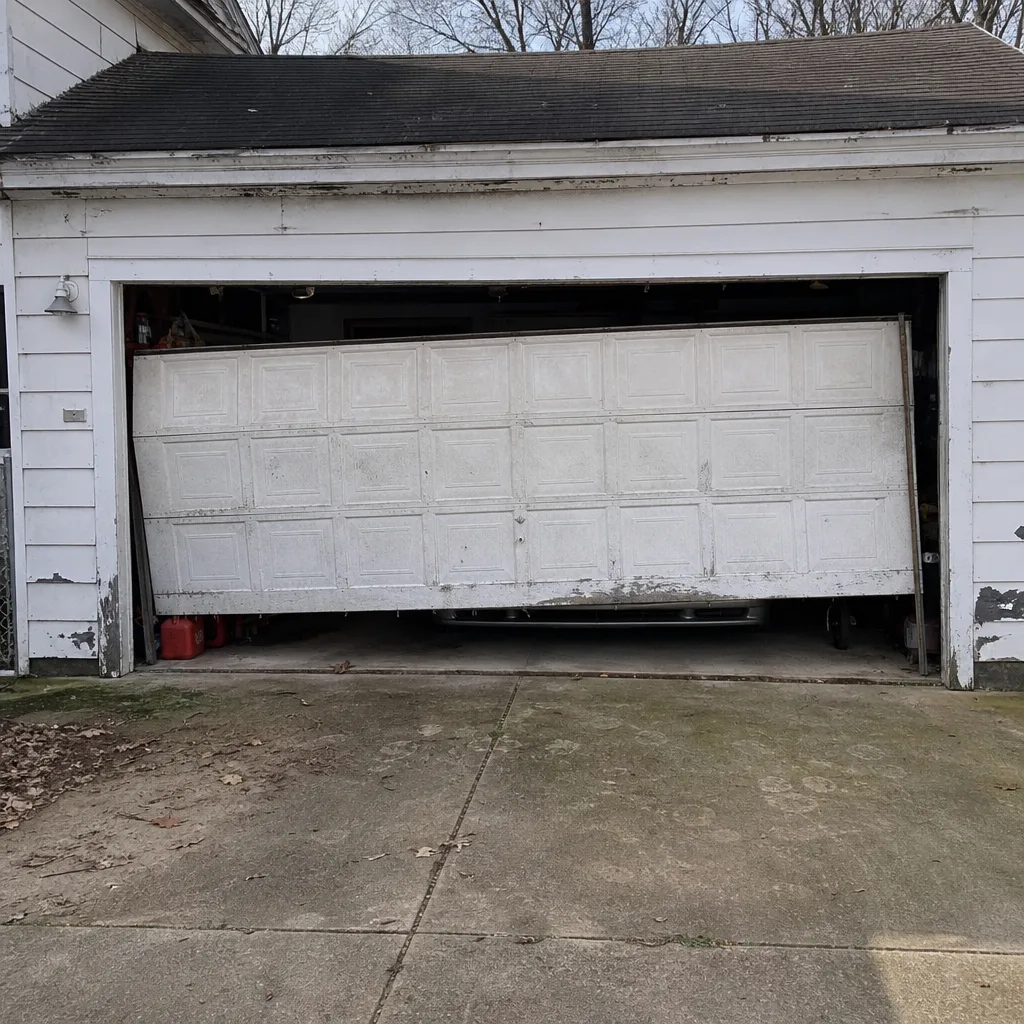 Before
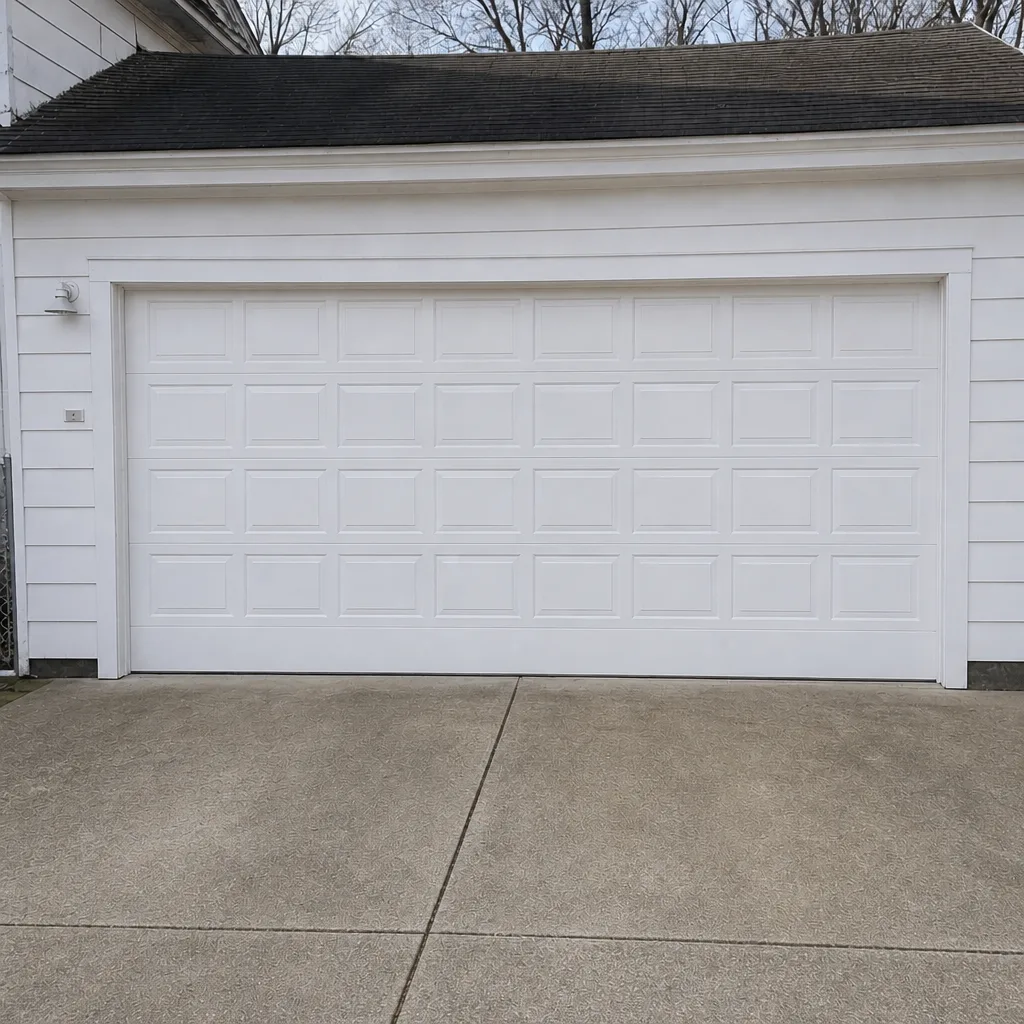 After
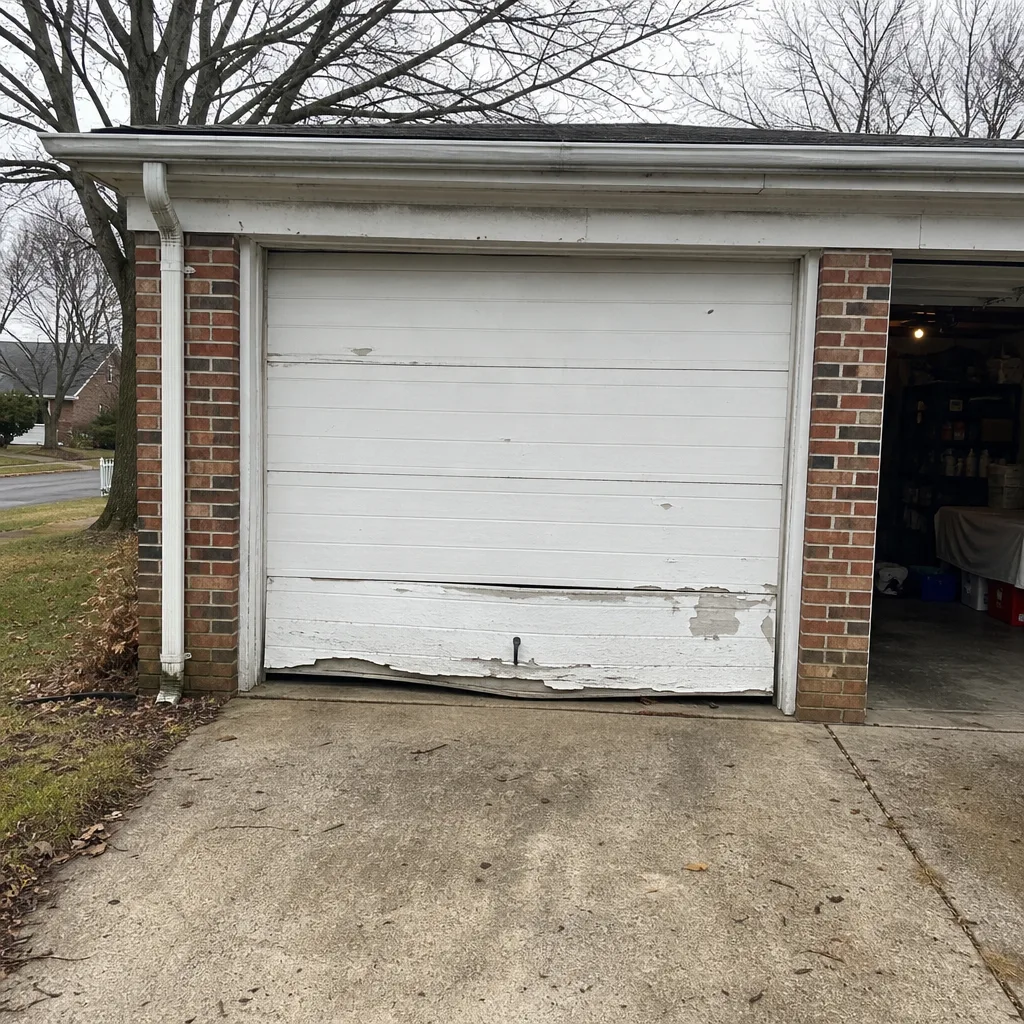 Before
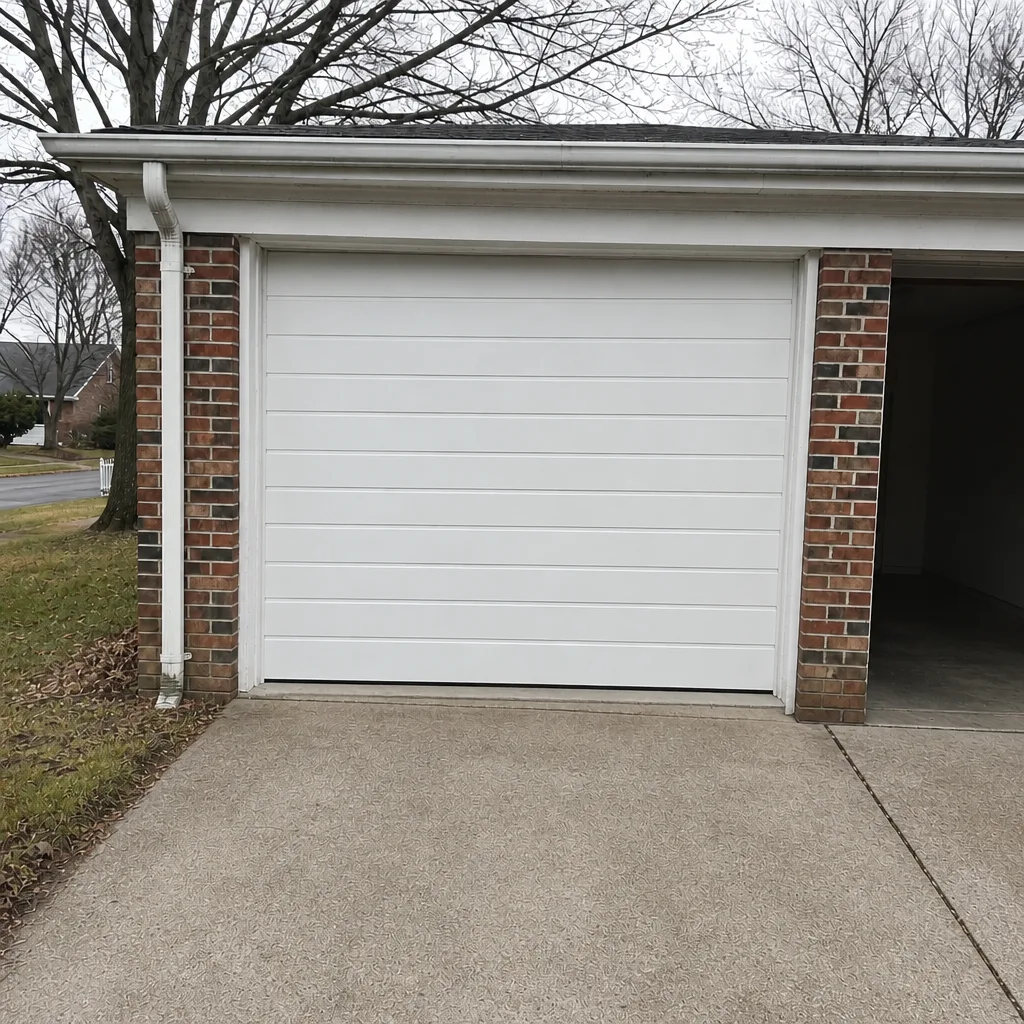 After
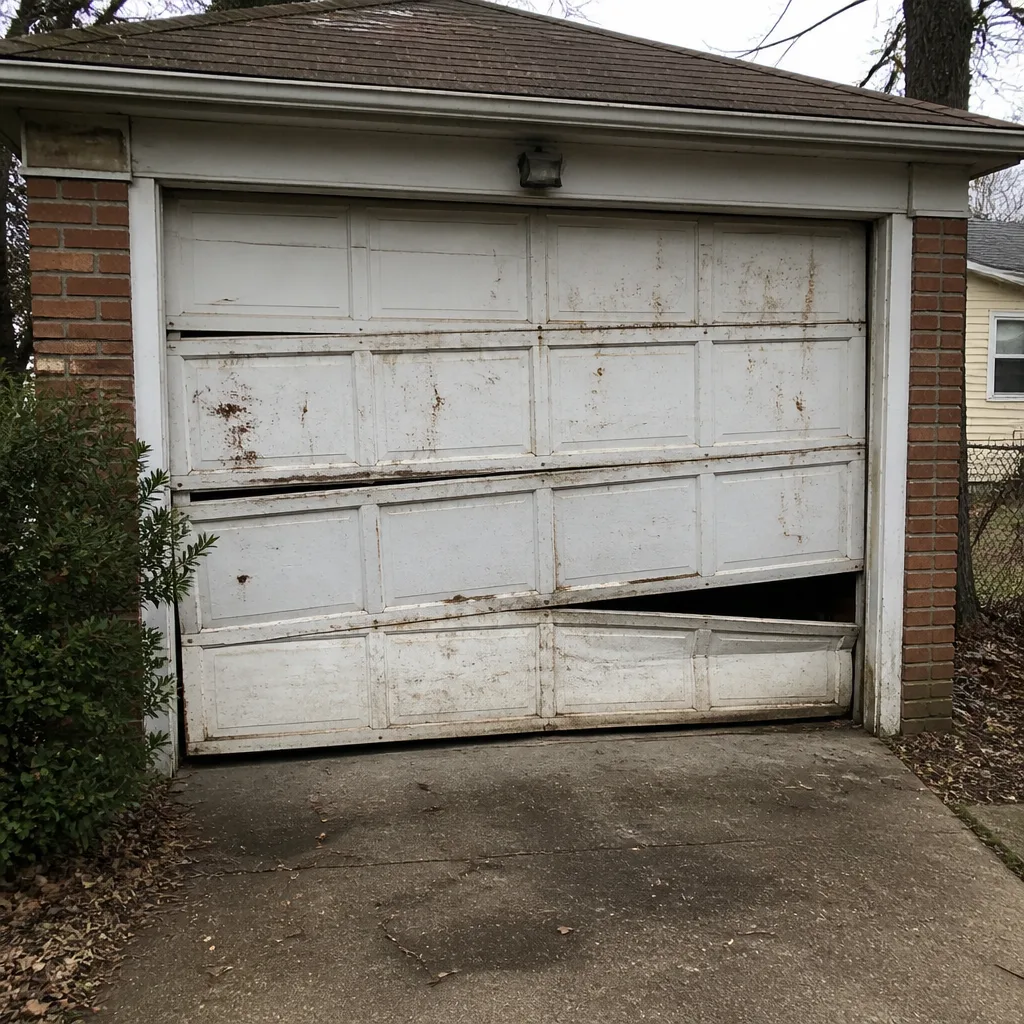 Before
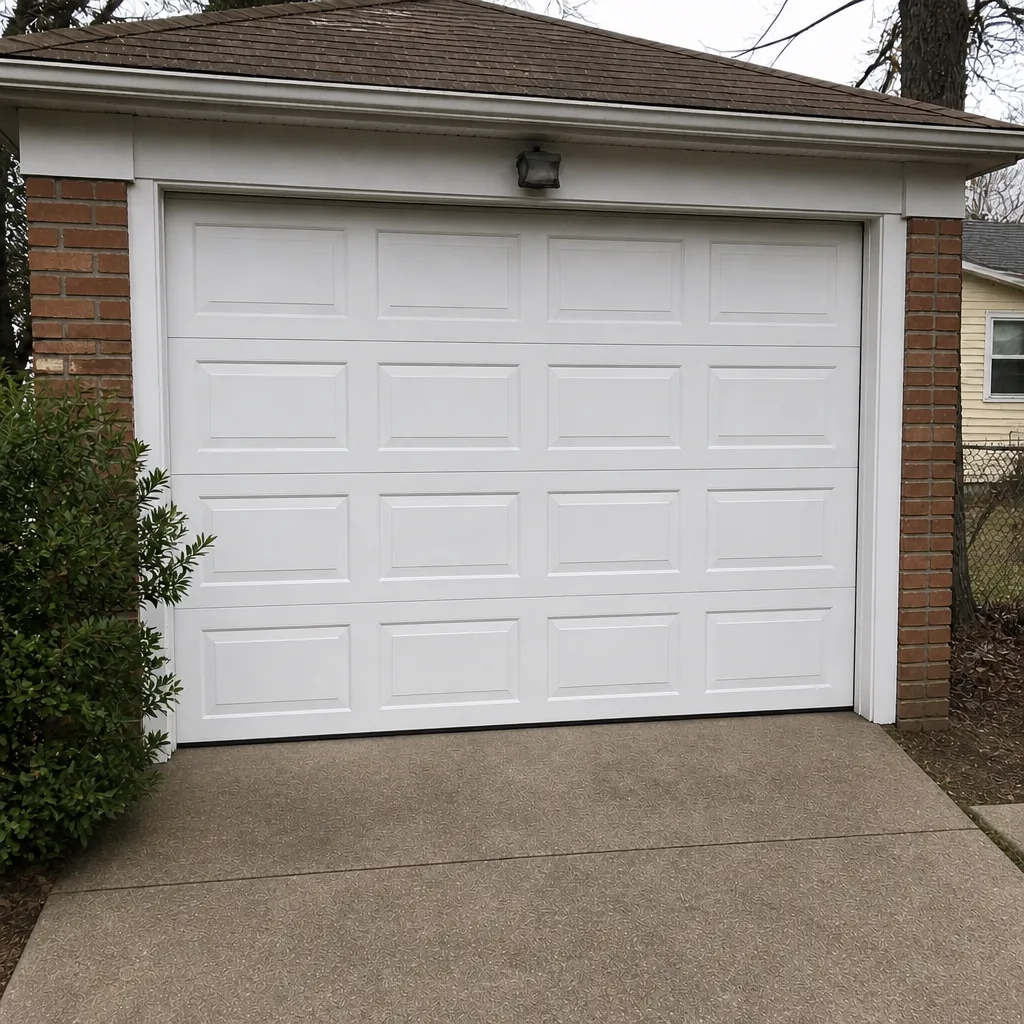 After
When to Call a Professional
If your door won’t close, won’t open, or has visibly failed spring work, call now rather than scheduling anything. A wound spring or a door off its track under tension is a real safety risk, and continuing to operate it can bend the door or damage the opener. If your real question is whether a replacement needs a permit, that’s a free estimate conversation, and we’ll tell you plainly what’s repair, what’s replacement, and whether DCRA needs to be involved. Garage Door Repair Woodridge offers free estimates in Woodridge, and the quote is agreed in writing before any work starts. Call (844) 443-4173. Our technicians have up to 15 years of experience, and we work on Craftsmans, Raynor, LiftMaster, and Chamberlain equipment every week.
Frequently Asked Questions
Often yes, especially when the new door changes weight, size, or operating type, or when the opening’s structure is touched. Straight spring, opener, or panel repair generally does not require one. Call DCRA directly to confirm your specific case, and get the answer in writing before the door is ordered. For a free estimate on the work itself, call (844) 443-4173.
It can, when the door is visible from the street or alley. Style, material, and color may all be reviewed. Check the property’s review boundary before you order anything, and treat review timeline as real calendar time in your schedule. Call (844) 443-4173 if you want us to walk through what’s typical for the older garages around Woodridge.
Rough-in happens before the door is hung and covers framing, header, track mounting, and electrical rough-in; final happens after installation and covers operation, safety reverse, mounting, and electrical. The rough-in must pass before the final is scheduled. Get the inspection calendar agreed before work starts. Call (844) 443-4173 to discuss a replacement scope and what’s likely to be inspected.
It can complicate an insurance claim and surface at a future sale or refinance, because permit history is searchable. The fix is to run the search on your own address now and correct what you find before a buyer does. Call (844) 443-4173 if you want an honest read on what a correction scope looks like.
Yes, when the structure changes. Setback from the alley line, lot coverage, and structural condition all get reviewed, and a header change can shift the roofline. Swap the door without touching the opening and the exposure stays small. Call (844) 443-4173 and tell us about the approach, because alley access also changes how we schedule the job.
Yes, if the opener is the only thing that failed and no structure or wiring rough-in is being added. We work on LiftMaster and Chamberlain units regularly, and most opener failures are a same-day repair. Get an estimate before any work starts, and we’ll agree the price in writing. Call (844) 443-4173.
The Bottom Line
In Woodridge, the garage door permit question comes down to three words: repair or replace. Springs, openers, and panels are repair, and you generally don’t need DCRA. A full door replacement, a change to the opening’s structure, or any work on an older alley garage can pull in DCRA and, in historic pockets, a design review. Get the scope in writing, confirm who pulls the permit, and schedule the rough-in before the door goes on. Unpermitted work follows you to the claim and to the closing, and the fix is always cheaper before a buyer finds it.
If your door’s failing right now, don’t wait for a paperwork answer. Call Garage Door Repair Woodridge at (844) 443-4173 for a free estimate, an upfront written price agreed before any work starts, and same-day emergency service when a door won’t close or open. For repair, openers, springs, and installation, that’s one call.
Written by the team at Garage Door Repair Woodridge.