Last updated November 21, 2026
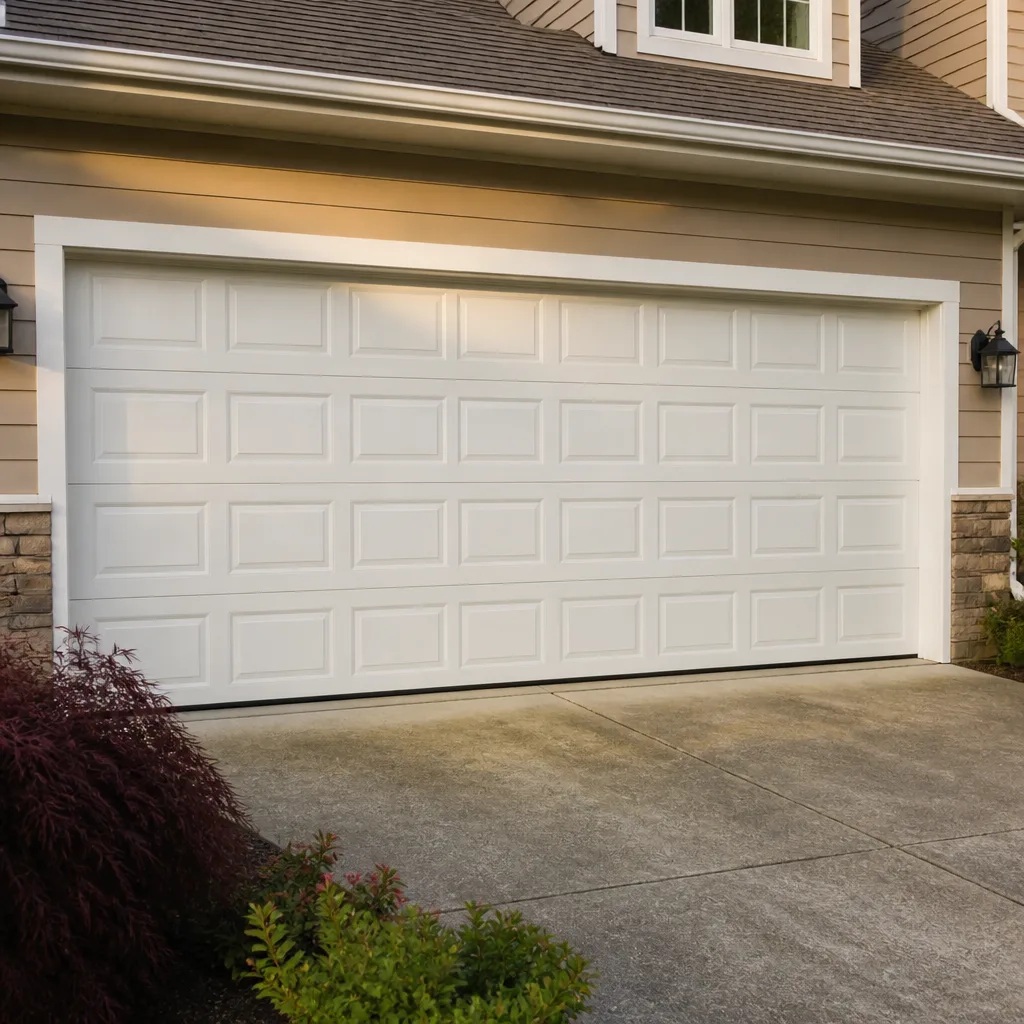 Raised-panel steel
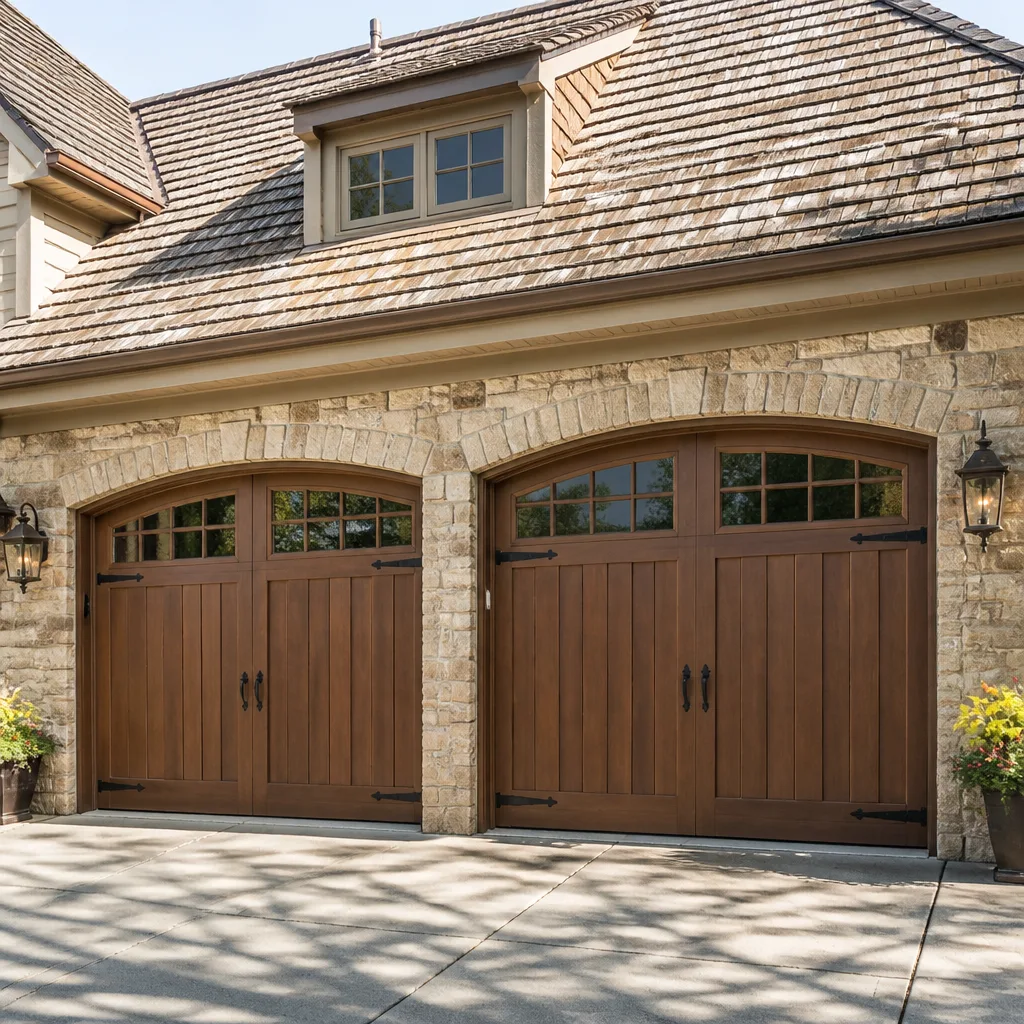 Carriage house
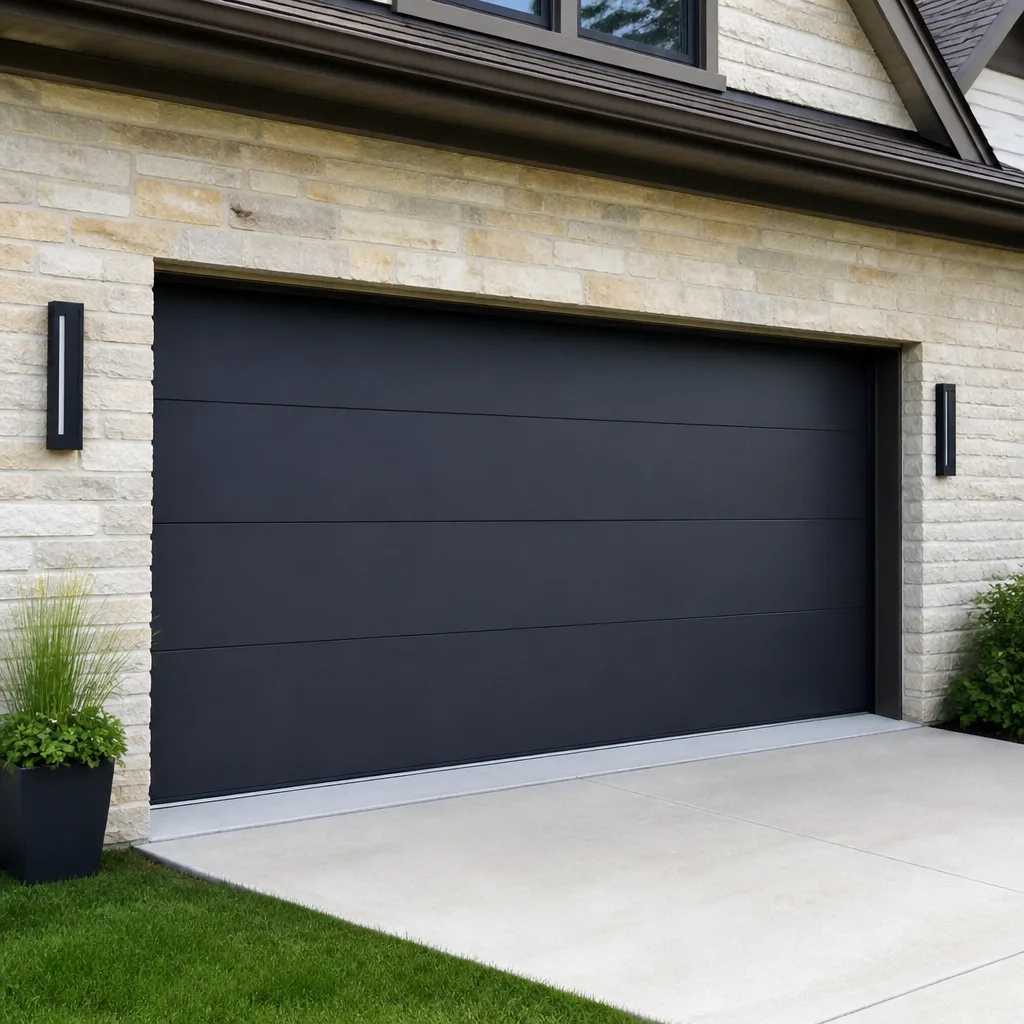 Modern flush
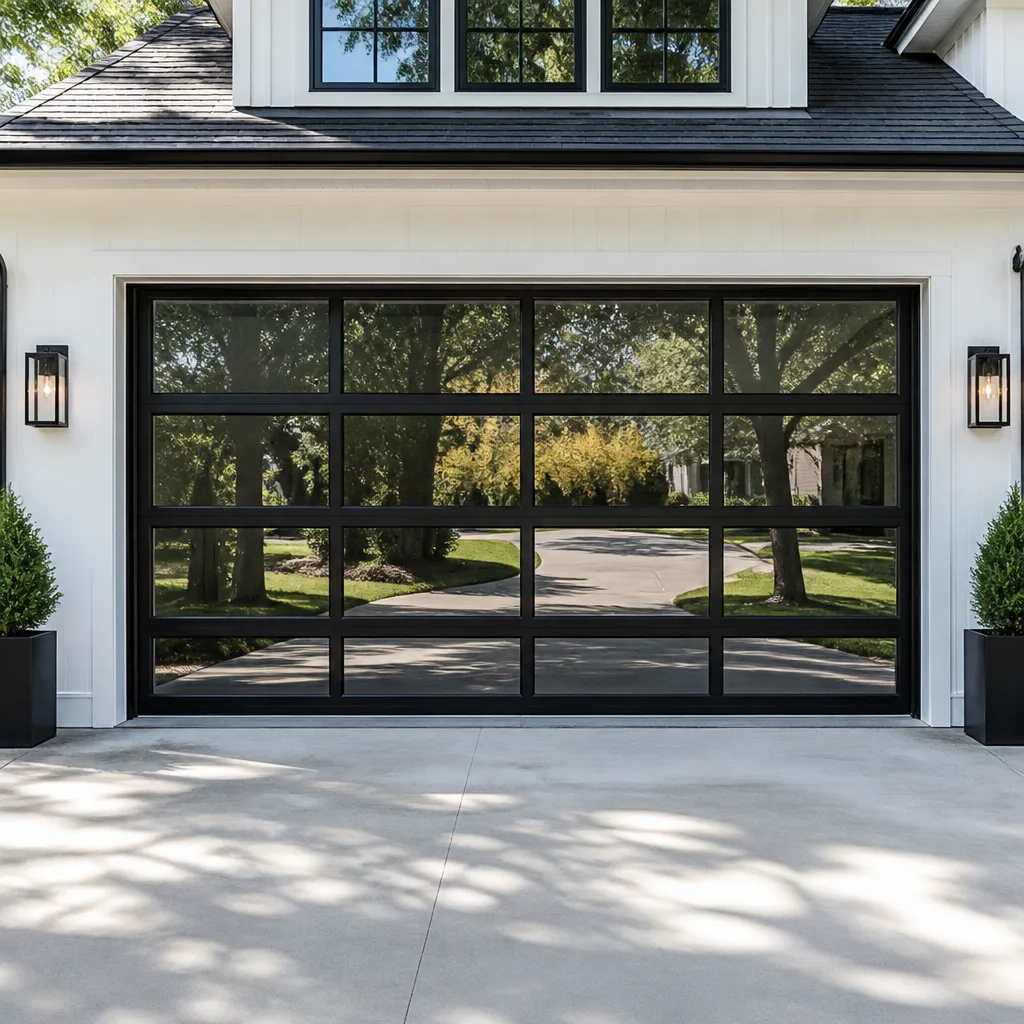 Full-view glass
 LiftMaster openers
 Chamberlain openers
Full 25-point door and opener safety check with every visit - springs, cables, rollers, tracks, and your LiftMaster or Chamberlain opener included
You get a price before we start. It does not change when the pro arrives.
Get your free estimateGarage Door Repair Maintenance Checklist for Woodridge Homeowners
Most garage door emergencies we get called out to in Woodridge had a warning sign the homeowner noticed but didn’t know how to read. A door that shudders for a week before a spring lets go. A faint grinding that turns into a snapped cable. The checklist most sites offer tells you to look at your door. This one tells you what you’re looking for.
That’s the difference between a diagnostic checklist and a decorative one. A tired spring doesn’t usually fail without announcing itself first, and a loose bolt rarely works itself free silently. Your door is talking to you every time it moves. This guide teaches you the language, component by component: the failure signature of each part, what it means, and whether it’s an $80 fix you can head off or a job that belongs in the hands of a trained technician. We’ve organized it around Woodridge’s seasonal swings too, because a checklist that reads the same in July and January isn’t reading your climate.
Quick Answer
A working garage door maintenance routine has three layers: a monthly visual and listening check you can do in five minutes, a seasonal lubrication and hardware-tightening pass, and an annual professional inspection of the high-tension parts you shouldn’t touch yourself. The diagnostic skill that matters most is recognizing failure signatures early – a fatigued torsion spring loses tension and makes the door feel noticeably heavier before it breaks, and a worn roller produces a grinding sound that changes pitch as it travels. Catching those signs turns a potential emergency repair into a quick scheduled fix.
Styles & brands we work with
- Raised-panel steel
- Carriage house
- Modern flush
- Full-view glass
- LiftMaster openers
- Chamberlain openers
Table of Contents
- The Five-Minute Monthly Check
- Spring Failure Signatures
- Cables, Rollers and Hinges
- Opener Diagnostics and Safety Reversal
- Seasonal Adjustment: July vs. January in Woodridge
- Lubrication Done Right
- What You Can Do vs. What Needs a Pro
- Documenting Condition Over Time
The Five-Minute Monthly Check
You don’t need tools or a ladder for this one. Stand back and watch your door open and close, then come up close and listen. A healthy door moves smoothly and quietly, stays level on both sides, and touches down without slamming. A door with a developing problem will show you within the first ten seconds if you know what to watch for. Do this check once a month in Woodridge and you’ll build a mental baseline of what “normal” looks and sounds like for your door, which is what makes any change stand out.
- Watch the gap under the door from outside. A door that closes with daylight showing along one edge is binding or out of balance, not sealing properly. Note which side shows the gap.
- Listen for sounds that weren’t there last month. A pop, a squeal, a grinding tone, or a rattle. Note where in the travel it happens.
- Watch the door travel. It should glide at a steady speed and reverse smoothly if you trigger the safety sensors. A door that lurches, jerks, or hesitates is telling you something.
- Look at the springs. From a safe distance, no ladder – note whether the coil looks evenly wound or whether there’s a visible gap where a piece broke.
- Try the manual release. With the door fully closed, pull the red release cord. A properly balanced door should feel manageable, not backbreaking. Write down how much effort it takes to raise it.
That last step is the one homeowners skip, and it’s the most diagnostic of the bunch. A door that’s become noticeably harder to lift by hand than it was a few months ago is a door whose springs are losing tension. You don’t need to fix anything on this walkthrough. You just need to notice, and write down what you noticed.
Spring Failure Signatures
A fatigued spring rarely snaps out of nowhere. It loses tension gradually, which means the door gets progressively heavier, and that heaviness is the signature. Before a spring fails outright, most homeowners will notice the door feels sluggish, the opener struggles to lift it, or the door doesn’t open all the way because the motor can’t push it past the point where it used to. If you’ve been watching for a month, you’ll catch the decline. If you only look after the door stops fully opening, you’re already in repair territory.
There are two distinct failure modes to recognize:
- The stretched, worn spring (before failure). The coil looks slightly deformed or its spacing isn’t even. The door is heavier than it used to be on manual release. You hear creaking or popping during travel. This is the window for a scheduled replacement, done on your terms rather than an emergency call.
- The broken spring (after failure). You hear a loud bang from the garage, a visible gap opens in the coil, and the door won’t lift or won’t stay up. This is the moment to stop using the door entirely.
The garage door springs and cables carry the door’s full weight under tension, and a broken spring or loosened cable is genuinely dangerous. We never suggest a homeowner replace a torsion spring themselves, and we mean that plainly: this is the highest-injury part of the whole system, and it’s the part where we recommend stopping and calling a trained technician the moment you suspect it. What you can do is recognize the early signature and call before the door stops working. Call us at (844) 443-4173 and we’ll get a technician out to assess the spring without any guesswork.
Cables, Rollers and Hinges
Cables, rollers, and hinges fail quietly compared to springs, but each has a recognizable signature. The lift cables run down each side of the door and work with the spring to raise it. Rollers ride in the tracks. Hinges connect panel sections. When any of these wears, the door still opens, which is why the failure goes unnoticed until it causes a bigger problem, like a cable jumping its drum or a hinge wearing through the panel edge.
- Frayed or kinked cable: Run your eyes (not your hands) along the cable with the door fully closed. A single frayed strand, a kink, or a cable that’s jumped its drum is a red flag. Don’t operate a door with a visibly damaged cable.
- Worn rollers: Nylon rollers that turn freely and quietly are fine. Steel rollers that grind, or nylon rollers with flat spots or cracks, need replacement. A grinding sound that changes pitch through the door travel points to a failing roller, not the opener.
- Loose or worn hinges: A hinge that wobbles by hand or has started to widen its mounting hole is starting to weaken. A quick visual of each hinge usually shows it.
- Track misalignment: Look down the length of the track – it should be dead straight. A small dent or a section knocked slightly off-line makes the door bind, which in turn stresses the rollers and hinges.
Cables and tracks are a call-a-professional job too, since stored spring tension is still in play. Rollers and hinges are the one area where a careful homeowner can swap parts with the door fully closed and the opener disconnected. Our garage door repair service covers all four of these components in a single visit when you’re not sure which one is causing the sound.
Opener Diagnostics and Safety Reversal
The opener is the most misunderstood part of the door. When a door won’t open, most people assume the opener is broken, but the opener is often just straining against a heavier door caused by a failing spring or a binding track. Before you call anyone, run this short diagnostic. It tells you whether the problem is the opener or something else in the system.
- Try the wall button and the remote separately. If the wall works but the remote doesn’t, it’s a remote or receiver issue, not the opener.
- Watch the safety lights and sensors. A blinking light on the opener points to a sensor problem. Clean the small lenses on each side of the door (a spider web across a lens is a common cause) and check that they’re aligned and undamaged.
- Test the auto-reverse. Put a small piece of wood flat on the ground in the door’s path and close it. A working door reverses the moment it touches the wood. One that keeps pressing down needs the safety adjustment checked.
- Test the force setting. If the door reverses for no apparent reason while closing (nothing under it), the force setting may need adjustment, or the door may be binding.
- Listen to the motor. A motor that hums but doesn’t move the door means the door is jammed or the spring has failed. Don’t keep pressing the button – that just burns the motor out.
We work with LiftMaster, Chamberlain, Genie, Craftsman, and Raynor openers regularly, along with the doors they raise, including Clopay and Amarr panels. That brand familiarity is why we can usually diagnose an opener problem over the phone before we arrive. If your door needs garage door opener repair, call (844) 443-4173 and we’ll get it sorted the same day.
Seasonal Adjustment: July vs. January in Woodridge
A maintenance routine that doesn’t flex by season misses half the story. Woodridge homes move through hot, humid summers and cold winters, and each season stresses a different part of the door. The check you need in July is a different check than the one you need in January.
In July and August, the checklist shifts toward heat and humidity:
- Re-check the balance and door travel more often (every two weeks if you use the door daily). Heat causes metal to expand and can throw rollers off their alignment.
- Inspect the bottom weather seal – summer pests and moisture come through a worn seal first. A seal that’s cracking or pulling away from the door is cheap to replace and worth doing.
- Watch for lubrication thinning. High heat makes light lubricants run off, leaving tracks dry and rollers squeaky. This is when a re-lube makes the biggest difference.
- Check the door panels for heat-related bowing, especially on darker-painted doors facing the afternoon sun.
In December and January, it’s cold and freeze-thaw:
- Check the tracks and rollers for any icing or frost buildup, which stiffens rollers and binds the door. Lubricant that’s meant for warm weather thickens in the cold – it’s a common cause of winter sluggishness.
- Watch for the door closing harder or failing to seal against the bottom, since cold makes the weather seal stiff.
- Listen for the door straining on the opener – cold thickens the lubricant and stiffens rollers, and the door can feel heavy even when nothing is broken.
- Check the driveway and door approach for ice buildup that can interfere with the door’s travel and safety sensors.
Tuning the checklist to the season is the single easiest way Woodridge homeowners avoid the “it worked fine last month” scenario. The door is a machine with parts that react to the weather; a maintenance routine that respects the weather is a maintenance routine that actually works.
Lubrication Done Right
Lubricant choice matters as much as the parts themselves, and there’s one specific mistake we see repeatedly: the wrong lubricant on the wrong hardware. High-humidity parts of Woodridge homes, especially in the summer, see accelerated corrosion when a thin oil-based lubricant runs off and leaves the metal exposed. Thicker, tackier lubricants stay where they’re needed, and that’s what you want on rollers, hinges, and the spring.
The parts of the door that take lubricant:
- Rollers – a few drops at the roller axle, not on the roller wheels themselves.
- Hinges – a small dab at each moving pivot point.
- Track and rollers – a light, even film on the track, not a heavy coat that’ll attract grit.
- Spring – a light coat on the coils. This is a visual lube point, not something to get aggressive with.
What NOT to use: thin, penetrating oils and WD-40-style sprays. They run off quickly, they carry grit into the moving parts, and they do nothing for the high-humidity corrosion we see on Woodridge doors after a wet summer. Use a tacky lithium grease or a purpose-made garage door lubricant, and apply lightly. Over-lubricating is as bad as under-lubricating – heavy grease coats attract dust and turn the works into a grinding paste. If your door creaks after a fresh lube job, you either used too little or the wrong product. Call us at (844) 443-4173 and we’ll tell you what we’d use for your specific hardware.
What You Can Do vs. What Needs a Pro
One of the fastest ways to spend an afternoon and make a problem worse is doing a job that belongs in the hands of a technician. Here’s the honest split. If it’s on the friendly side of the line, a careful homeowner with a couple of tools can handle it. If it’s on the other side of the line, it’s a call.
Homeowner-friendly tasks:
- Monthly watching and listening checks (the five-minute routine above).
- Lubrication of rollers, hinges, and tracks.
- Cleaning the safety sensor lenses and re-aligning them.
- Replacing the bottom weather seal.
- Testing the auto-reverse by placing wood in the door’s path.
- Replacing rollers and hinges with the door closed and the opener disconnected.
- Checking the safety reversal and force settings with the opener manual in hand.
Tasks that need a professional:
- Anything involving torsion springs or extension springs.
- Replacing a lift cable, or a cable that’s jumped its drum.
- Track realignment or replacement after a dent or impact.
- Opener motor, logic board, or gear replacement.
- Panel replacement after damage.
- Any repair after a door has come completely off its tracks.
The high-tension parts are the ones that carry real injury risk, and we say it plainly: the stored force in a spring can cause serious injury in a fraction of a second. We’re not going to dress that up. A trained technician is what this job needs, and when your door needs full garage door installation, the same rule applies – the installer needs to be a specialist who does this all day. A general handyman can hang a shelf; a garage door specialist knows the exact tension and balance calculations a safe door depends on.
Documenting Condition Over Time
This is the task almost nobody does, and it’s the one that pays off the most over the years. A log of your door’s condition lets a technician see decline trends on a service call that a one-time inspection would miss. A door that feels slightly heavier this month than last is a story. A door that’s slowly losing travel is a slightly different story. Without records, both look like “feels a bit stiff” and get shrugged off.
- Start a simple log – a note on your phone or a sheet taped inside the garage door is plenty. Date every entry.
- Record the monthly five-minute check – note the date, anything you heard or felt, and the manual-release effort.
- Note lubrication dates – which parts you lubed and what you used.
- Note any changes to the door’s travel – a door that used to take a certain sound now takes a different one. Write it down.
- Keep every repair receipt and technician note – this is the record your future repair tech will thank you for.
- Bring the log to every service visit – a good technician reads it before touching the door and finds the trend you missed.
We’ve had plenty of Woodridge calls where a homeowner’s log showed the door had been getting heavier for months before the failure. That’s the difference between calling us after a spring snaps and calling us before. The log is the one habit that turns a maintenance checklist into a genuine early-warning system.
Common Mistakes to Avoid
- Fixing the spring with a helper. Two people and a pair of vise grips is not a spring repair. Park the car outside and call. No shortcut there is worth the risk.
- Using WD-40 on the tracks. It feels smoother for a week, then it attracts dust and grit, and the door grinds more than it did before. Use a tacky purpose-made garage door lubricant.
- Ignoring a single failed safety sensor. A blinking sensor light isn’t cosmetic. On a Woodridge property, a reversed safety sensor can mean a door that closes on a pet or a child. Fix it the day you notice.
- Over-lubricating the tracks. A heavy bead of grease is a grit magnet. A thin film is all the track needs; the rollers are where a few drops belong.
- Assuming a door that opens is a door in good shape. A door can be opening daily on a cracked spring and a stretched cable. The door still works right up to when it doesn’t, which is why you look, not just operate.
- Skipping the seasonal flex. The July checklist is not the January checklist. If you use the same list year-round, you’re only doing half the job.
- Skipping the log. A one-line note each month is what turns “it feels a bit heavy” into “the spring has lost tension over the last four months.” That’s the difference between a scheduled fix and a middle-of-the-night call.
- Calling a handyman for a spring job. A general handyman can be great for a lot of things. Torsion spring repair isn’t one of them – it needs a garage door specialist and the right tools.
See the difference
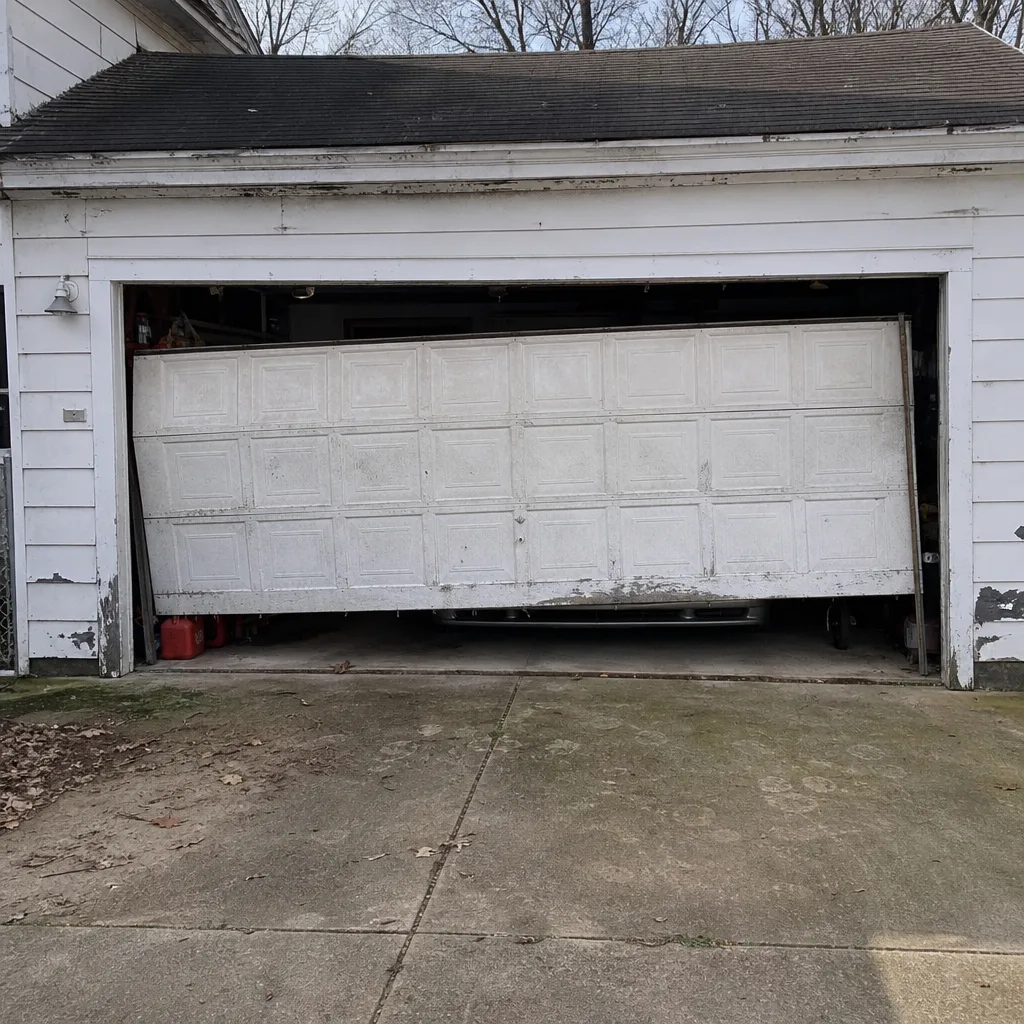 Before
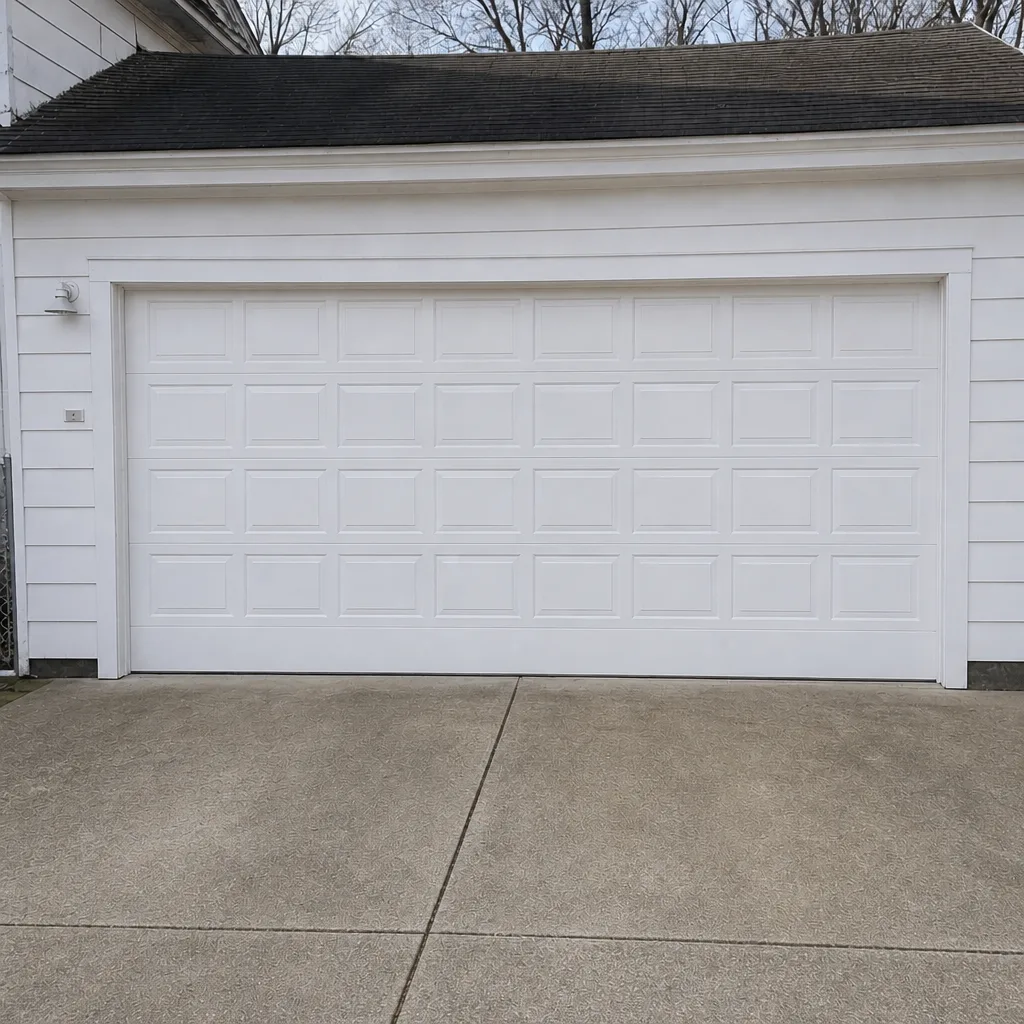 After
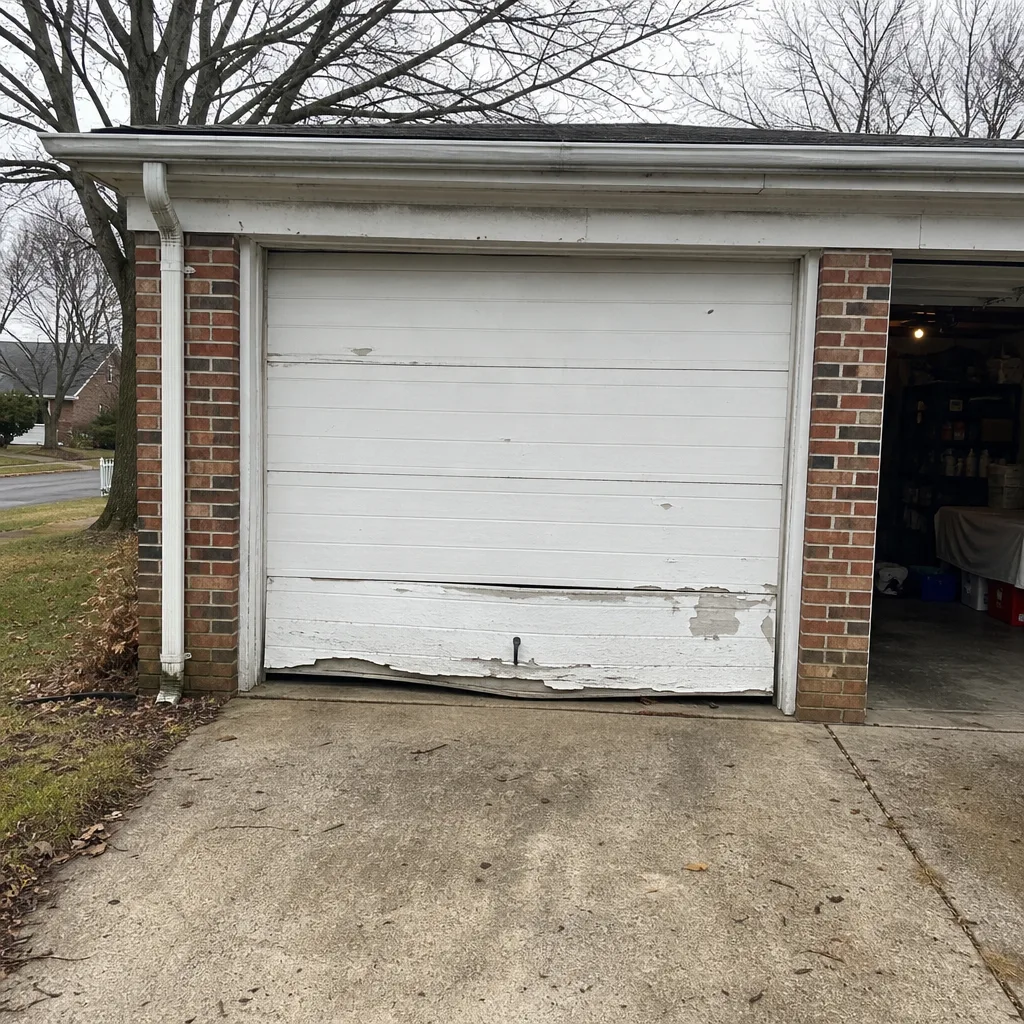 Before
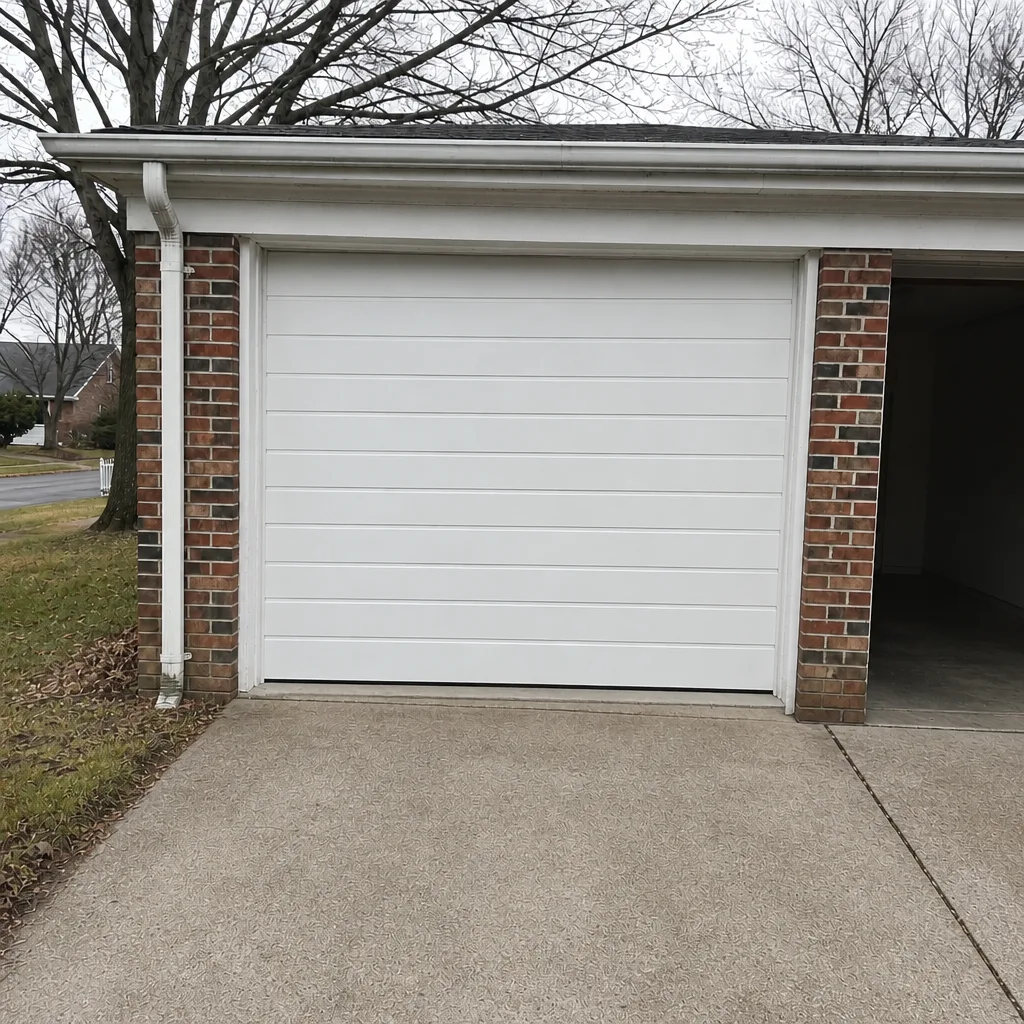 After
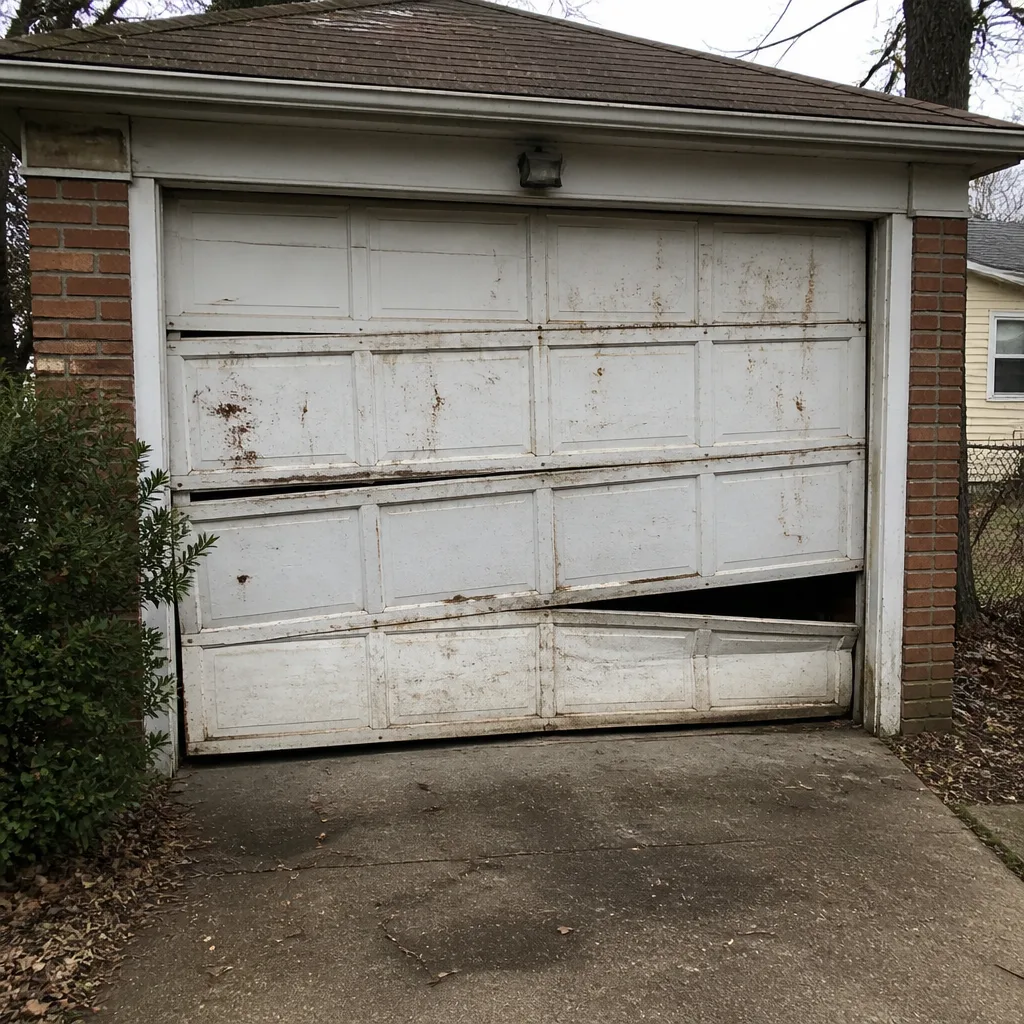 Before
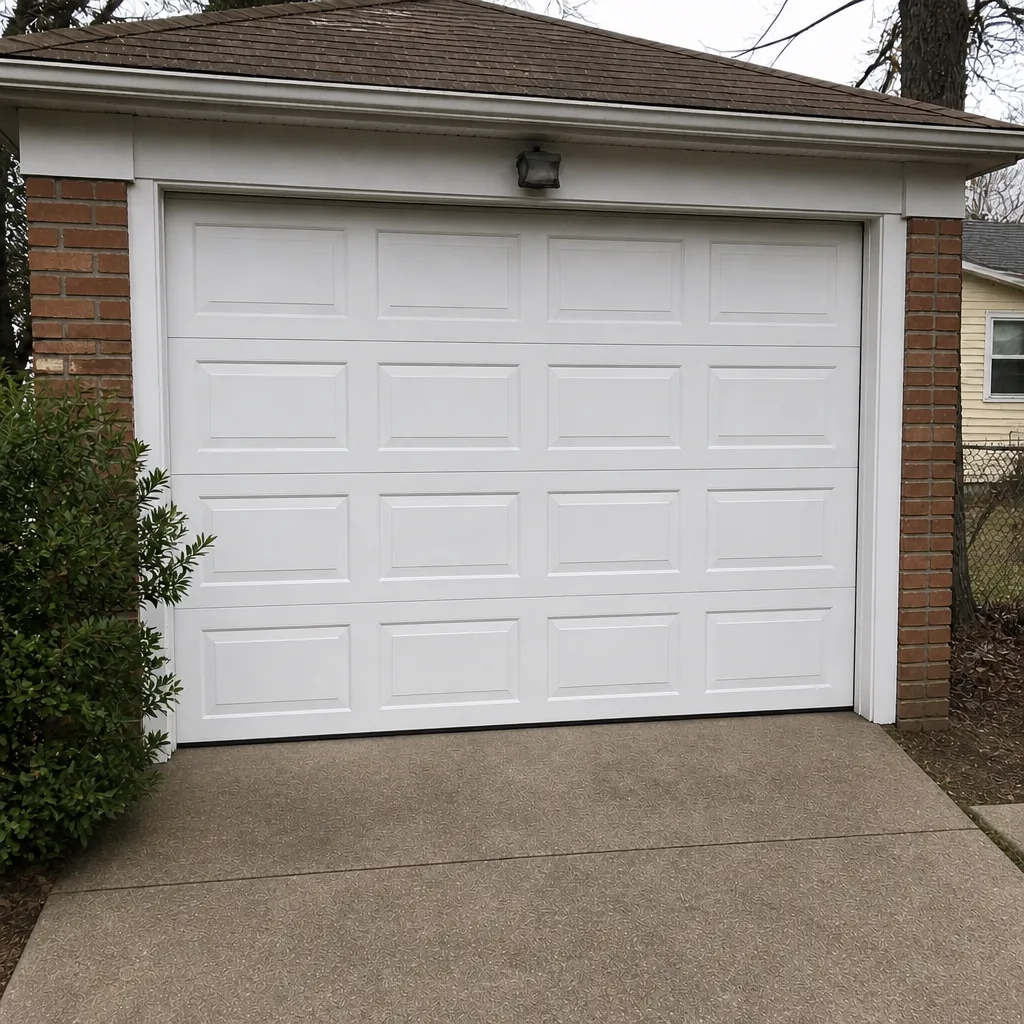 After
When to Call a Professional
Call a professional the moment you notice any of these, and don’t wait to be sure: a spring that looks stretched or snapped, a cable that’s frayed or off its drum, a door that won’t stay up on manual release, a door off its tracks, an opener that hums without moving the door, a safety sensor that won’t stop blinking, or a door that’s suddenly much heavier than it was last month. A door that’s come off its tracks should not be operated at all, and the car should stay outside until a technician has assessed it. The most common call we get in Woodridge is a door that stopped working mid-morning, and in most cases there was an early sign.
We offer free estimates in Woodridge. If you’ve done the five-minute check and you’re not sure what you’re looking at, call (844) 443-4173 – a short conversation over the phone is usually enough to point you in the right direction, and if you need a technician, we’ll book it. Emergency garage door service is a real offering, not an upsell. Our team can reach you when the door won’t close and an evening isn’t an option. We’ll work out a time that fits – early morning or Sunday if that’s what the door demands – and confirm it with you before we arrive.
Frequently Asked Questions
A five-minute visual and listening check once a month, a fuller lubrication and hardware pass every six months, and a professional inspection once a year. Adjust the frequency upward if your door gets heavy daily use or if you have children or pets using the door regularly.
A fatigued spring often makes a creaking, popping, or groaning sound during travel, and the door feels noticeably heavier on manual release before failure. A broken spring produces a loud bang and a visible gap in the coil. The heavy, creaking door is the early warning – call us at (844) 443-4173 before the bang.
No. A heavy door is a door whose springs are losing tension, and what that means is the opener is doing work the springs should be doing. It’s not safe in the sense that a failure is coming – schedule a spring assessment now rather than waiting for the door to stop opening. Call (844) 443-4173 for a free estimate.
Yes. Thin oil-based sprays run off and leave high-humidity metal exposed, which accelerates corrosion. Use a tacky lithium grease or a purpose-made garage door lubricant and apply it lightly on rollers, hinges, and tracks – avoid heavy coatings that collect grit.
Clean the small lenses on each sensor, check alignment, and look for anything blocking the beam – spider webs are the usual culprit. If the light keeps blinking after that, a sensor or wiring issue needs a technician. Call (844) 443-4173 if it doesn’t clear up.
You can do the monthly check, lubrication, sensor cleaning, and weather seal yourself. Springs, cables, track realignment, and opener internals should go to a trained technician – those parts carry stored force and need specific tools. When in doubt, call (844) 443-4173 for a free estimate.
The Bottom Line
A garage door maintenance checklist only works when it tells you what failure looks like on each component – and that’s what this guide aimed to teach. The five-minute monthly check, the spring and cable failure signatures, the July-versus-January seasonal flex, the lubrication specifics, and the log that turns a feeling into a trend. Put it all together and the garage door in Woodridge stops being a black box and becomes a machine you understand. Nearly every emergency we’re called out to had a warning already on the door. All you need is the language to read it. Save this checklist, use the log, and call us when the door tells you something’s not right.
Written by the team at Garage Door Repair Woodridge.
Garage Door Repair Woodridge is a single-trade garage door company – repair, opener repair, spring repair, and full installation – and we work on every major brand, including Clopay, Amarr, Wayne Dalton, and Craftsman. Our technicians have up to 15 years of experience.
Contact
If this guide has you looking at your door differently, that’s the point. Call (844) 443-4173 for a free estimate – we’ll diagnose what’s going on, tell you plainly whether it’s a quick fix or a scheduled job, and get it done. Reach us at (844) 443-4173 whenever you’re ready, and visit our main page to see everything we do at Garage Door Repair Woodridge.