Last updated November 21, 2026
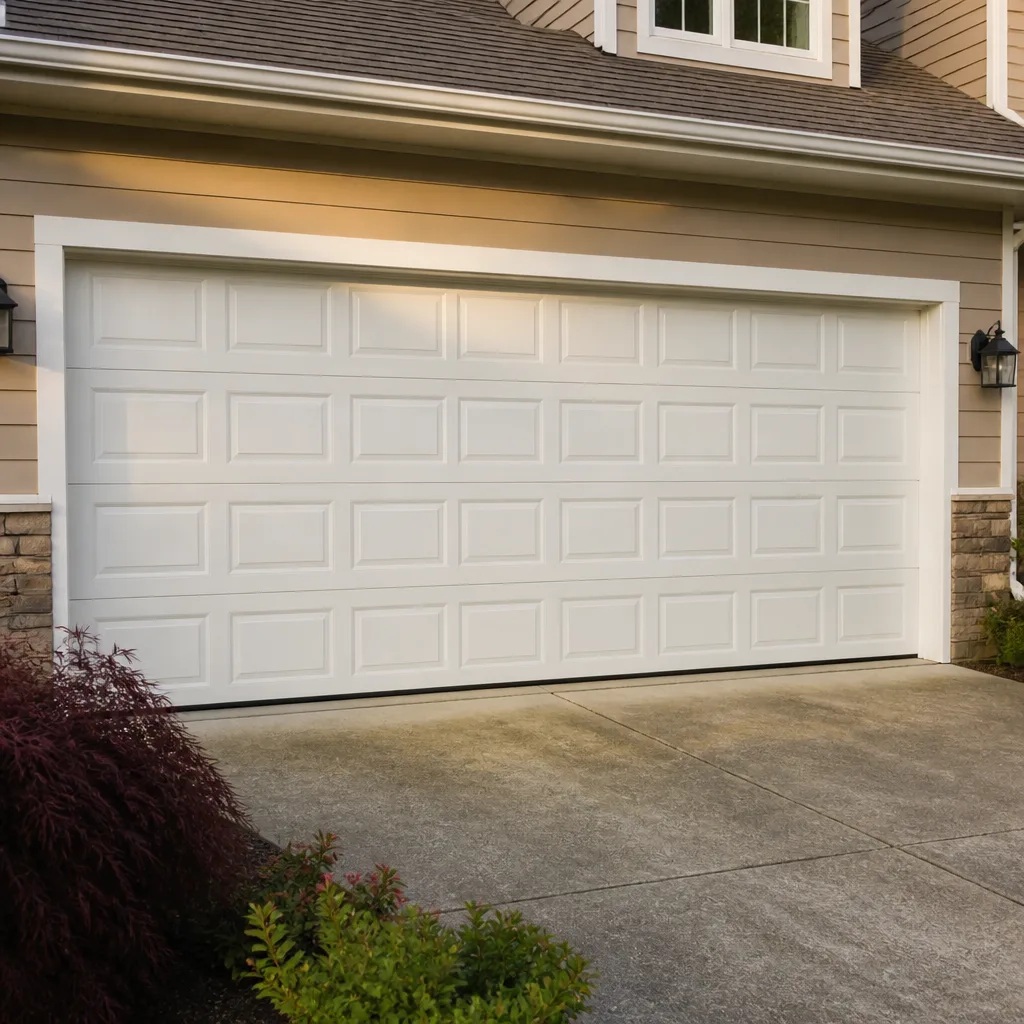 Raised-panel steel
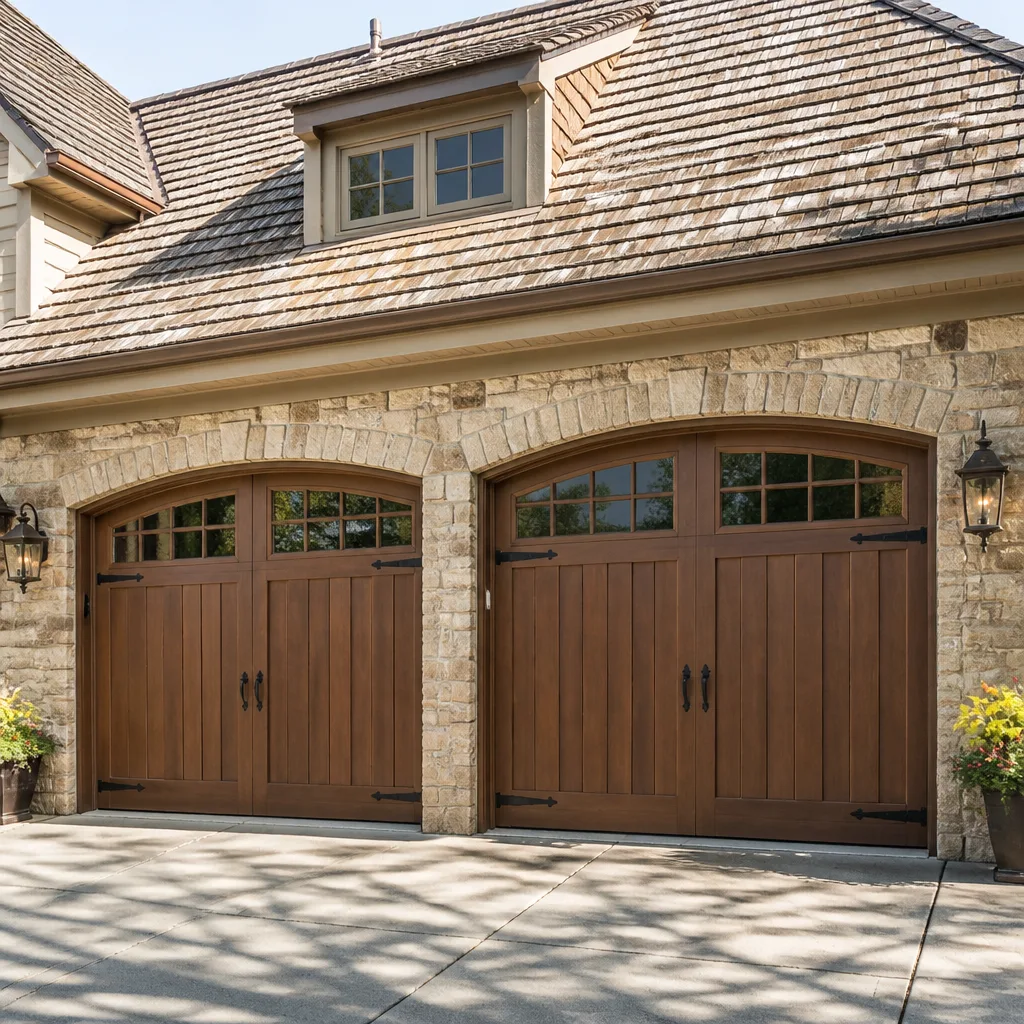 Carriage house
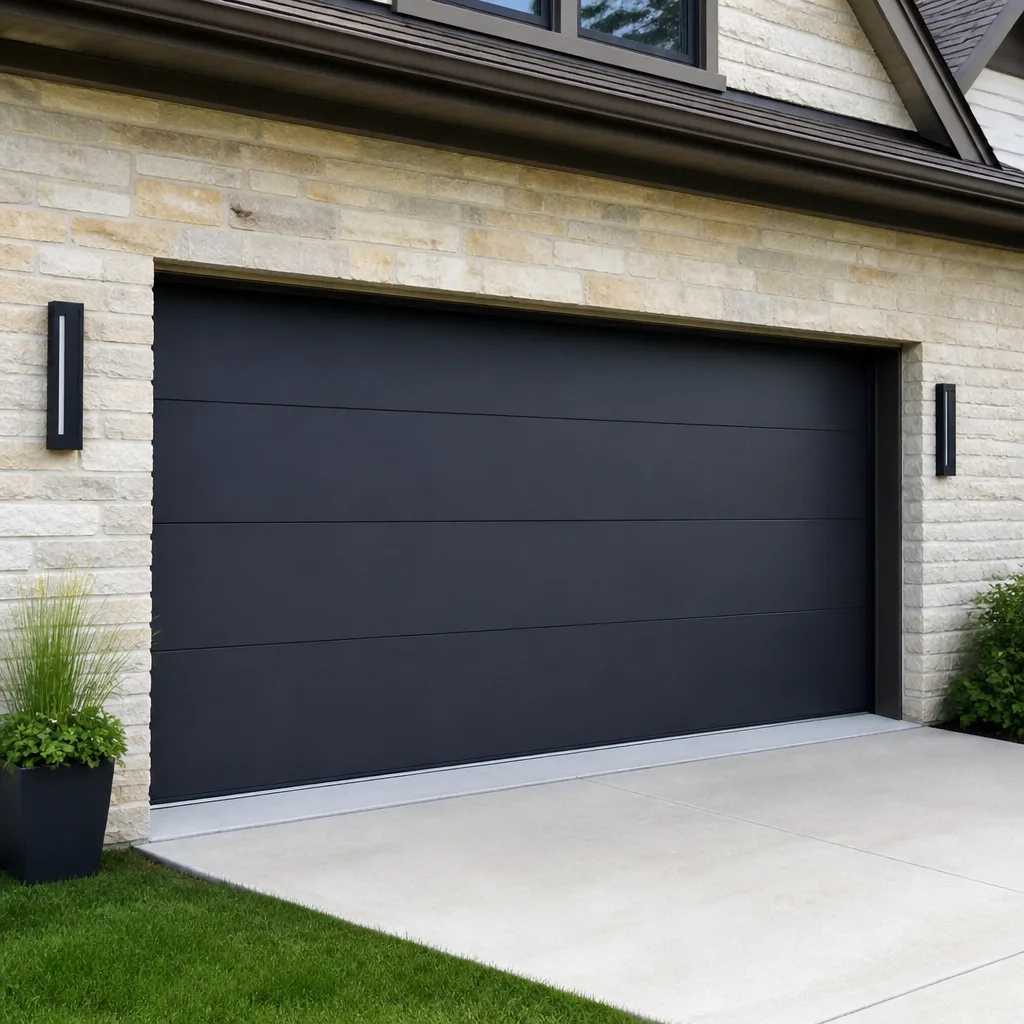 Modern flush
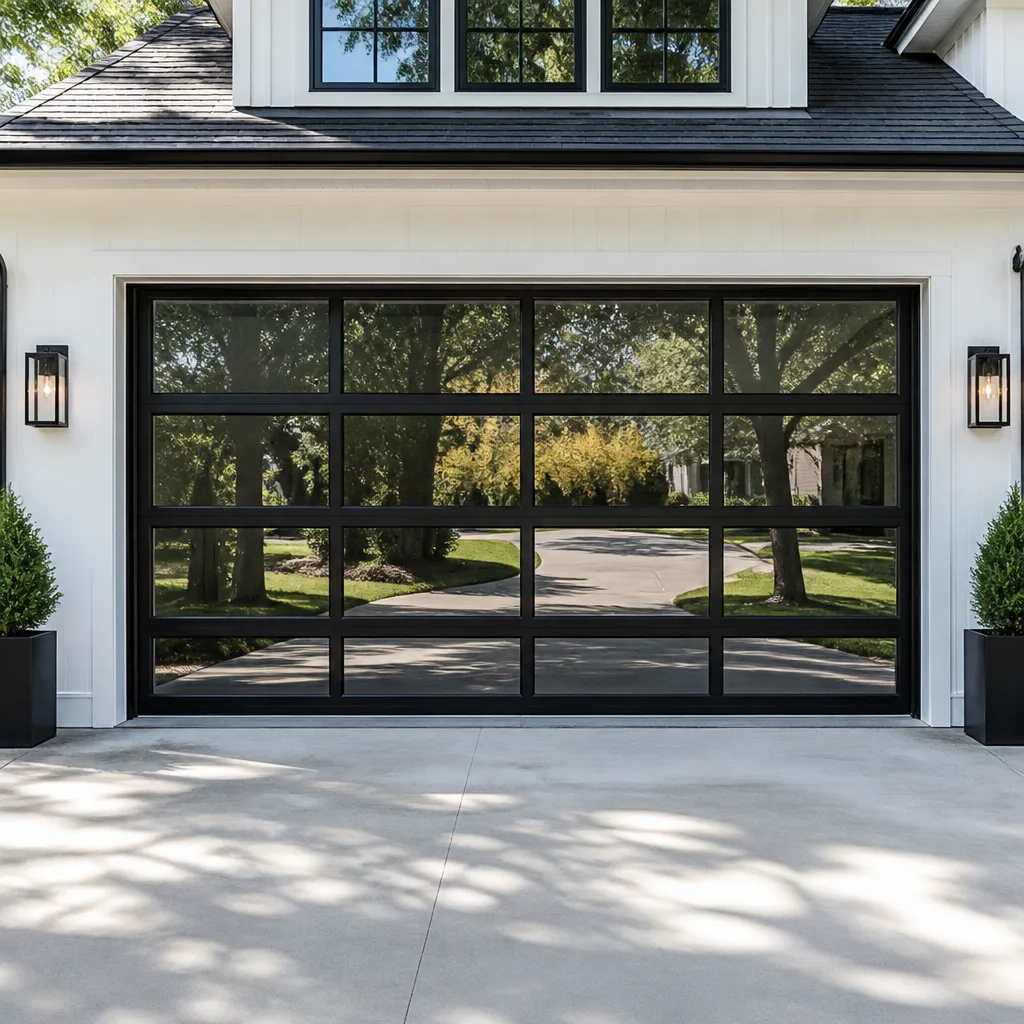 Full-view glass
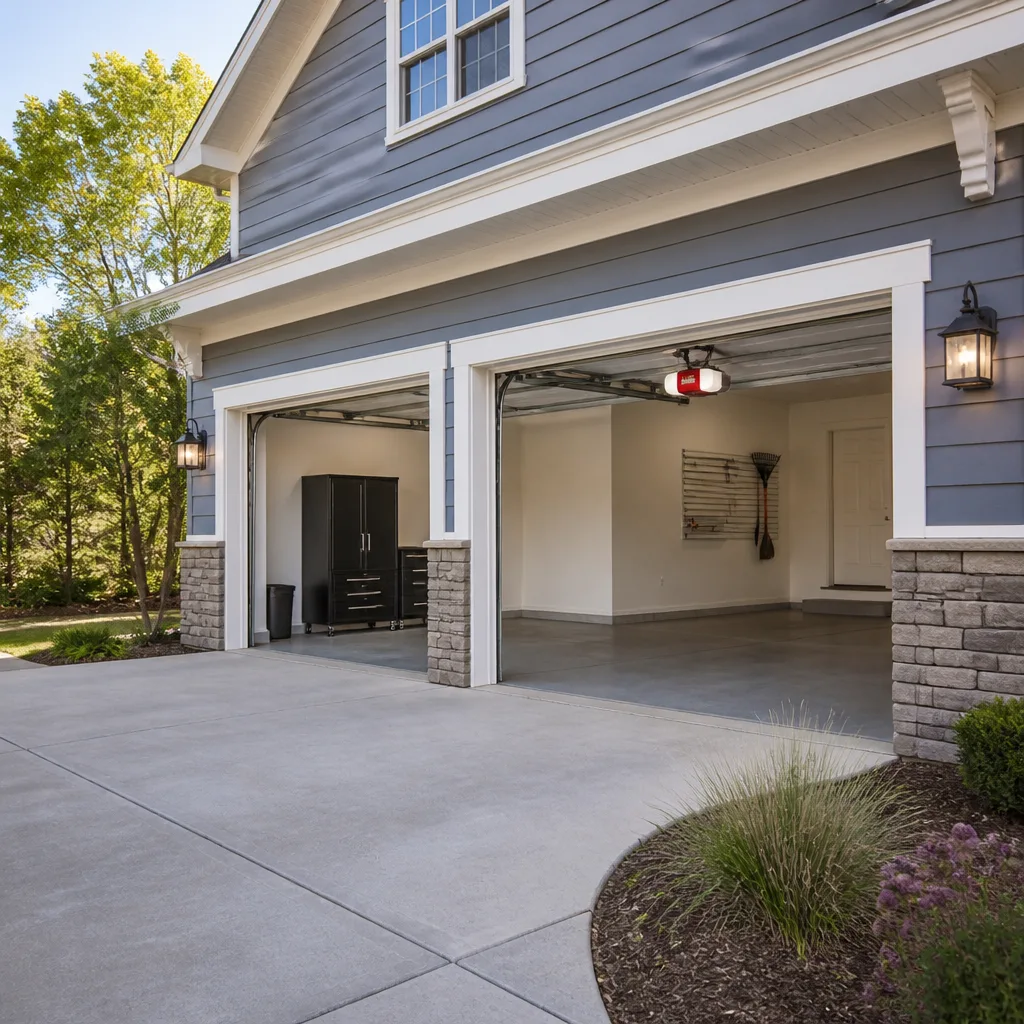 LiftMaster openers
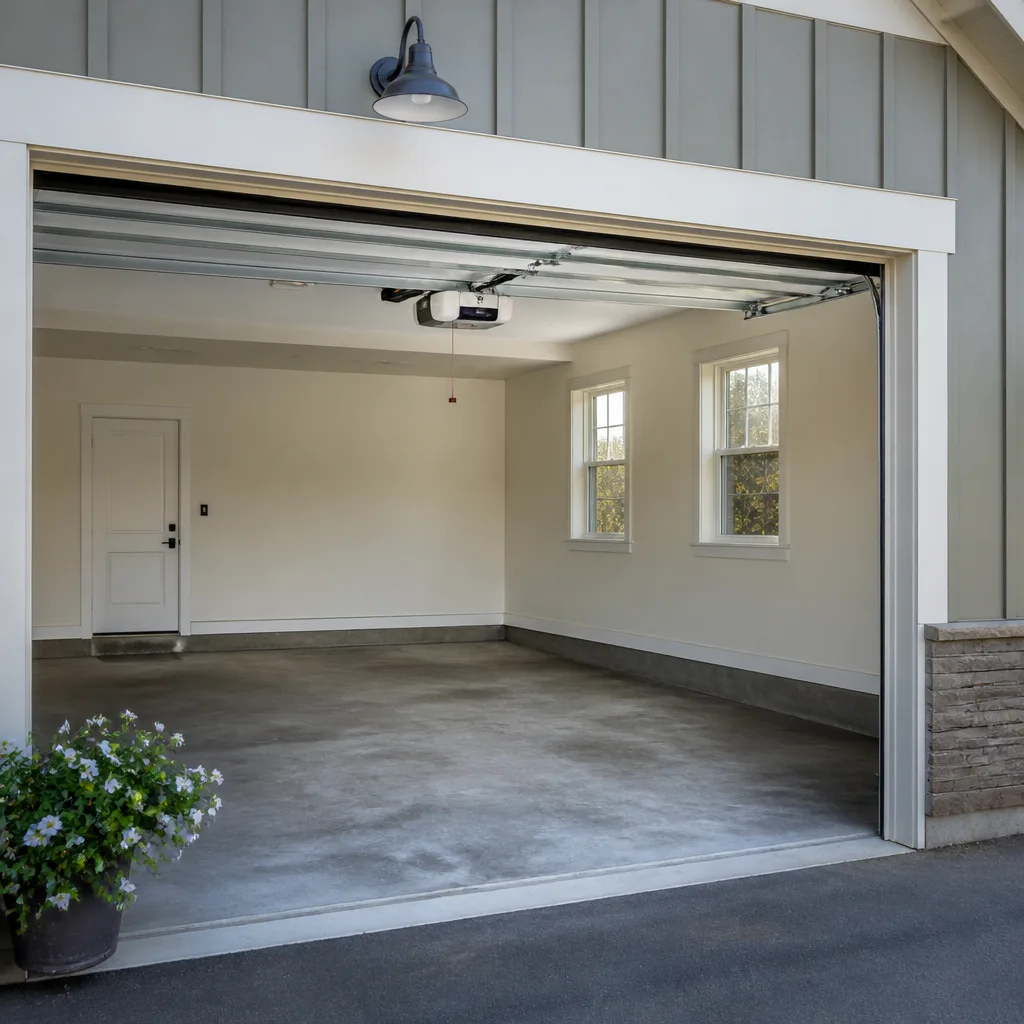 Chamberlain openers
Full 25-point door and opener safety check with every visit - springs, cables, rollers, tracks, and your LiftMaster or Chamberlain opener included
You get a price before we start. It does not change when the pro arrives.
Get your free estimateGarage Door Warning Signs: A Woodridge Homeowner’s Reference Guide
Most homeowners describe two very different failures in exactly the same words: “it hesitates a little.” A door that pauses briefly before closing because its travel limits drifted is a scheduling conversation. A door whose cables are about to let go is a call-today problem. They sound identical from the driver’s seat of your car, and that’s why so many garage door failures feel sudden when the warning was there for weeks. This guide is our attempt to fix that gap. We’ll translate the sounds, delays and small visual quirks you’ve been normalizing into specific mechanical causes, tell you which ones can wait for an appointment and which can’t, and give you a triage reference you can actually use. Everything here applies directly to the homes and weather we see across Woodridge.
Quick Answer
The most urgent garage door warning signs in Woodridge are a door that hangs crooked, a snapped spring (usually a loud bang followed by a door you can lift by hand), frayed or slack cables, and anything that prevents the door from reversing when it meets an obstruction. Those need a professional today. Grinding, squealing, rattling, slow response from the opener, and a door that drifts down a few inches after closing are earlier-stage signals that usually allow a scheduled visit, but they don’t fix themselves and they tend to get more expensive the longer they sit.
Styles & brands we work with
- Raised-panel steel
- Carriage house
- Modern flush
- Full-view glass
- LiftMaster openers
- Chamberlain openers
Table of Contents
- What the Sound Tells You: Grinding, Squealing, Popping and Rattling
- Visual Warning Signs: What Needs Action Today vs. What Can Wait
- How to Test Balance, Travel Limits and Auto-Reverse Safely
- Older Woodridge Homes: Reading a Torsion Spring Near End-of-Life
- Woodridge Weather and What It Does to Your Door
- The Triage Matrix: Symptom, Cause, Urgency, Who Responds
- Brand-Specific Quirks Worth Knowing
- Common Mistakes to Avoid
What the Sound Tells You: Grinding, Squealing, Popping and Rattling
Noise is the earliest and cheapest warning your door gives you. The trick is separating the four common sounds, because each points at a different part of the system and a different level of urgency.
Grinding
A low, rough grinding sound usually comes from metal-on-metal contact. Worn rollers, a dry or failing bearing plate, or a torsion tube that’s losing lubrication all produce it. Grinding is rarely an emergency on day one, but it accelerates wear fast. Left alone, it can take a roller from “noisy” to “seized” in a matter of weeks. A garage door repair visit to replace rollers and lubricate the moving parts is usually straightforward.
Squealing
High-pitched squealing is almost always a lubrication or friction issue: dry hinges, dry rollers, or a chain that’s running tight against its rail on a LiftMaster or Chamberlain opener. This is the most forgiving sound on the list. It’s also the one homeowners tune out longest, which is how a cheap fix turns into a roller replacement.
Popping
Popping deserves real attention. A single sharp pop from above the door often means a torsion spring has slipped in its winding cone or a panel has shifted on its hinges. Repeated popping during travel suggests the door is binding on one side. Popping is the sound that most often precedes a spring failure, and spring failure is the one garage door event that can injure someone standing nearby.
Rattling
Loose hinge screws, a slack chain, or panels that have worked loose from their stiles all rattle. Rattling is usually a maintenance item, but on an older door it’s worth having the hardware checked before it becomes a structural problem.
One sound we treat as urgent without exception: a loud bang from the garage followed by a door that won’t lift. That’s a torsion spring letting go, and no one should touch the door until a technician has secured it.
Visual Warning Signs: What Needs Action Today vs. What Can Wait
Your eyes catch things your ears miss. Here’s how we split visual cues into two lanes.
Stop using the door and call today
- A door hanging crooked. One side higher than the other means a cable, spring or drum has failed or is about to. Running the opener on a crooked door can bend panels and turn a repair into a replacement.
- A visible gap in a torsion spring. Look at the spring above the door. If you can see a clear separation in the coil, the spring is broken.
- Frayed, kinked or slack cables. Cables are under extreme tension. Never handle them. A cable that has jumped its drum is a same-day call.
- Bent or separated tracks. If the door has hit something and the track is out of line, the door can come off the track entirely.
- The door won’t reverse when it contacts an object. This is a safety failure, not a convenience problem.
Schedule an appointment soon
- Worn or flat-spotted rollers
- Loose hinges and rattling hardware
- A door that closes and then drifts down a few inches
- Weather seal that’s cracked, flattened or pulling away from the frame
- Sunlight visible around the edges of a closed door
- An opener that hesitates, reverses for no reason, or whose light flickers
The general rule we give Woodridge homeowners: if the symptom involves tension (springs, cables) or alignment (tracks, crooked panels), stop and call. If it involves wear (rollers, seals, lubrication), you have time to book it properly.
How to Test Balance, Travel Limits and Auto-Reverse Safely
You can check three things yourself without tools and without touching a spring or cable. What you should not do is adjust the opener’s force settings or attempt to reprogram travel limits to compensate for a mechanical problem. Masking a binding door with more force is how openers get burned out and panels get bent. Here’s the safe version.
1. The balance test
- Close the door and disconnect the opener using the manual release cord. The door should be fully closed before you pull it.
- Lift the door by hand to about waist height, then let go.
- A properly balanced door stays put or moves only slightly. If it crashes down or wants to rise on its own, the springs are out of balance and a technician needs to look at it.
- Reconnect the opener only after the door is back in the closed position.
2. The auto-reverse test
- Open the door fully, then start it closing.
- Wave a solid object (a rolled-up towel works well) in the path of the safety sensors near the floor. The door should reverse immediately.
- Then test the mechanical reverse: lay a piece of wood flat in the door’s path and let the door contact it. It should reverse on contact.
- If either test fails, stop using the opener and call for service.
3. A travel-limit observation, not adjustment
Watch the door travel from fully open to fully closed. It should move smoothly and stop flush with the floor without slamming or stopping short. If it slams, stops early, or reverses near the bottom, note the behavior and describe it when you call. On Genie and Chamberlain units the limits are adjustable, but they should be adjusted once the underlying mechanical issue is resolved, not instead of it. If you’re not sure which is which, garage door opener repair is the right starting point.
Safety note: Springs and cables are under enough tension to cause serious injury, and the bolts that hold them are not meant for homeowner tools. We don’t recommend adjusting, removing or “tightening” anything on the torsion assembly. That work belongs to a trained technician.
Older Woodridge Homes: Reading a Torsion Spring Near End-of-Life
Plenty of Woodridge garages still run the torsion setup that was standard in homes built through the 1990s: a single torsion spring above the door, a solid steel shaft, and nylon or steel rollers on a track that’s been in place for a long time. That equipment doesn’t fail dramatically. It ages in stages, and the stages are readable if you know what to look at.
What end-of-life looks like on an older torsion spring
- Visible gaps or a stretched coil. The spring should look like an unbroken spiral. Any separation means it has failed or is failing.
- Rust bloom along the coil. Rust on a torsion spring concentrates stress and shortens its life. On an older door, surface rust is a prompt to have it inspected, not ignored.
- A door that feels heavy when you lift it by hand. Springs lose tension gradually. A door that was easy to lift a few years ago and now feels like dead weight is telling you the spring is tired.
- Repeated opener strain. If your opener has started working harder, hesitating, or tripping its overload, the spring may be the cause rather than the opener.
We also see older Woodridge doors with original hinges that have wallowed out their screw holes, and tracks that have accumulated years of grit in the curve. Those are maintenance items, but they compound. A door fighting friction wears its spring faster.
Spring repair is the most mechanically demanding and safety-critical work in this trade, which is why we treat it as a named specialty rather than a side job. If you’re unsure whether your spring is near the end, that’s exactly the kind of question a free estimate answers. The same logic applies if you’re weighing repair against replacement on an older door; garage door installation is worth a conversation once the panels and hardware are both past their useful life.
Woodridge Weather and What It Does to Your Door
Woodridge gets real seasonal swings, and your garage door lives on the exposed side of them. Cold winters and hot, humid summers work on different parts of the system, and each season produces its own pattern of warning signs.
Cold-season signals
- Stiff operation and slow starts. Lubricant thickens in low temperatures, and older rollers drag. A door that’s sluggish only in winter is usually telling you about lubrication, not failure.
- Shrinking weather seal. Seals contract in the cold and can pull away from the frame, leaving gaps that let cold air and moisture in.
- Brittle plastic and cracked hinges. Plastic components get brittle when temperatures drop, which is when a hairline crack becomes a broken hinge.
- Metal contraction and track noise. A door that rattles more in January than in June is usually just contracting metal, but it’s worth confirming the track hasn’t shifted.
Warm-season signals
- Expansion and binding. Heat expands metal, and a track that was fine in March can bind slightly in July. Listen for a scrape on one side during travel.
- Humidity and hardware. Damp summer air accelerates corrosion on hinges, rollers and springs. Rust on moving parts is a maintenance signal, not a cosmetic one.
- Sun-faded and cracking seals. Rubber seals that face the sun degrade faster than the rest of the door.
Storm damage is worth a mention here. Hail isn’t a common problem in this area, but wind-driven debris and falling limbs do dent and misalign panels. If a storm has left your door looking off, check alignment before you run the opener.
The Triage Matrix: Symptom, Cause, Urgency, Who Responds
This is the section we’d print and stick on the garage wall if we could. Match your symptom, read across, and you’ll know how fast to act and whether it’s a homeowner observation or a technician job.
Urgent: stop using the door and call today
- Loud bang, door won’t lift → broken torsion spring → emergency service
- Door hangs crooked → cable off drum or broken spring on one side → emergency service
- Frayed or slack cable → cable failure imminent → emergency service, do not touch the cable
- Door won’t reverse on contact → safety sensor or reverse setting failure → service today
- Door off its track → bent track or broken roller → emergency service
- Door opens by itself → control board, sensor or limit fault → service today
Soon: book a visit, avoid heavy use
- Grinding during travel → worn rollers or bearings → scheduled repair
- Popping from above the door → spring slipping or panel shifting → scheduled inspection
- Door drifts down after closing → limit or spring adjustment → scheduled repair
- Opener hesitates or reverses randomly → sensor, logic board or force setting → scheduled opener repair
- Visible rust on spring → approaching end-of-life → scheduled inspection
Monitor: maintenance, not failure
- Squealing → dry moving parts → lubrication
- Rattling → loose hardware → tighten and inspect
- Drafty or daylight-visible edges → worn weather seal → seal replacement
- Sun-faded finish → cosmetic wear → repaint or panel assessment
If you’re not sure which row you’re in, describe the symptom and the sound over the phone. That’s usually enough for us to tell you whether to stop using the door. In our experience the single most common mistake is waiting on a symptom that’s one row higher than the homeowner assumed.
Brand-Specific Quirks Worth Knowing
Most warning signs are universal, but a handful of behaviors are specific to certain equipment. Knowing yours saves a lot of guessing.
LiftMaster and Chamberlain
These two share most of their internal logic, and both are prone to the same misleading symptom: a door that reverses partway down for no visible reason. On these units it’s usually the safety sensors or a logic board fault rather than a mechanical problem. The opener’s diagnostic LED will blink a code, and that code tells you which. We’re factory-familiar with both lines, which makes that diagnosis quick.
Genie
Genie openers often show travel-limit drift as the first sign of a mechanical issue. The door stops short or over-travels at the bottom, and adjusting the limits seems to fix it for a while. It doesn’t. When the limits keep drifting on a Genie, look at the door’s balance and the spring before you touch the opener again.
Clopay and Amarr
Panel and hardware issues show up differently by construction. On steel-backed Clopay and Amarr doors, a dented or misaligned panel often reveals itself as a rubbing sound at the edges during travel. That’s a panel alignment or hinge problem, not a track problem, and it’s worth catching early; a bent panel on a sectional door can stress the one next to it.
We service all of these, plus Wayne Dalton, Craftsman and Raynor, and our technicians have up to 15 years of experience across them. Knowing the brand narrows the diagnosis before we arrive, which is the whole point.
Common Mistakes to Avoid
- Turning up the opener’s force setting to get past a binding door. The force setting is a safety limit, not a power dial. Raising it hides the real problem and can strip the opener’s gears or bend a panel.
- Letting the door run on a visibly crooked track. Every cycle on a misaligned track stresses the cables and panels. Stop the door and call. This matters especially in Woodridge, where a door left half-open in cold weather can freeze into place.
- Lubricating a broken or rusted spring. Oil on a failing torsion spring does nothing and makes the problem harder to read. Springs get replaced, not greased.
- Ignoring a seasonal pattern. A door that only misbehaves in January or only in July is telling you something about temperature, lubrication or expansion. Note the season, and mention it when you call.
- Assuming a slow opener means a dying opener. Nine times out of ten, a sluggish door is a spring, balance or roller issue. Replacing the opener first is the expensive way to find out.
- Waiting for the annual tune-up you never scheduled. Spring, roller and hardware inspections catch the warning signs in this guide before they turn into failures. A door that gets looked at doesn’t surprise you.
- Skipping the balance test after any repair or panel change. A door that isn’t balanced will wear out its new parts faster than the old ones. Test it after any work.
See the difference
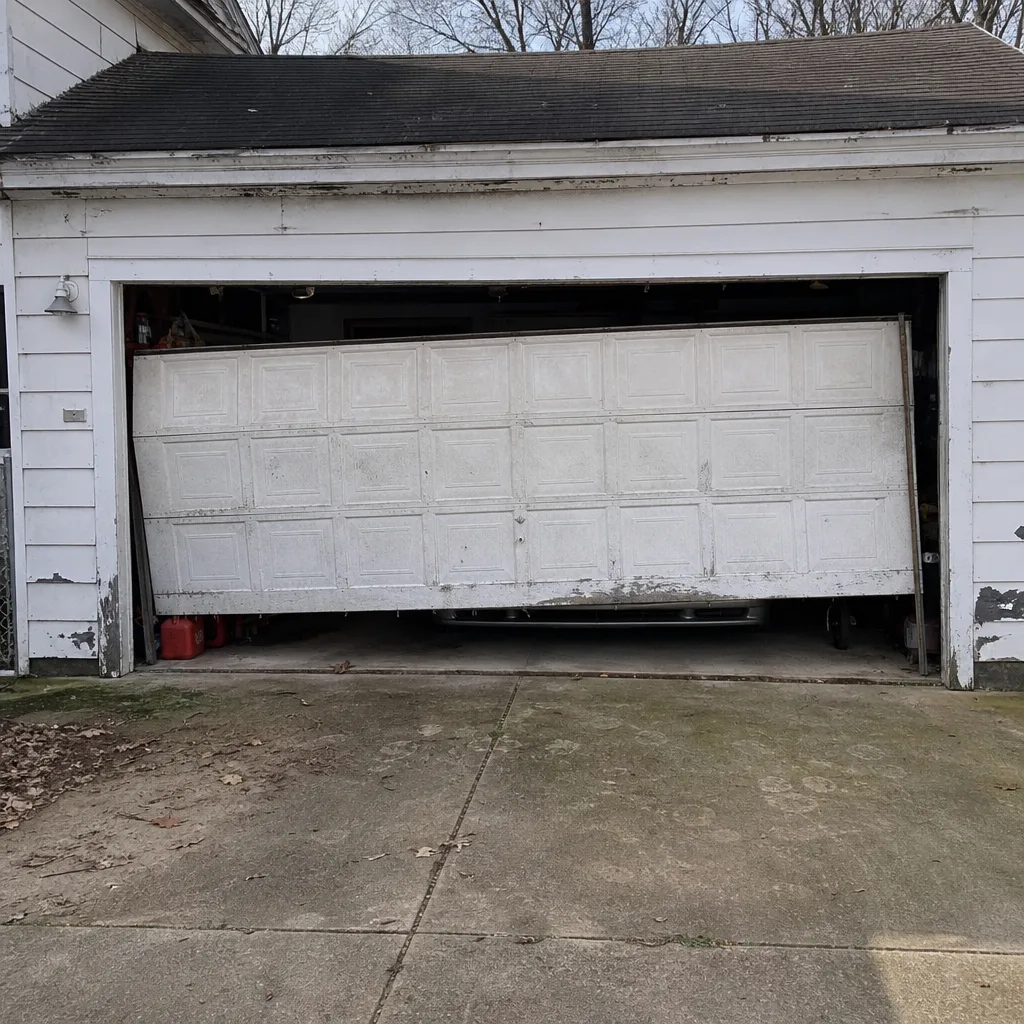 Before
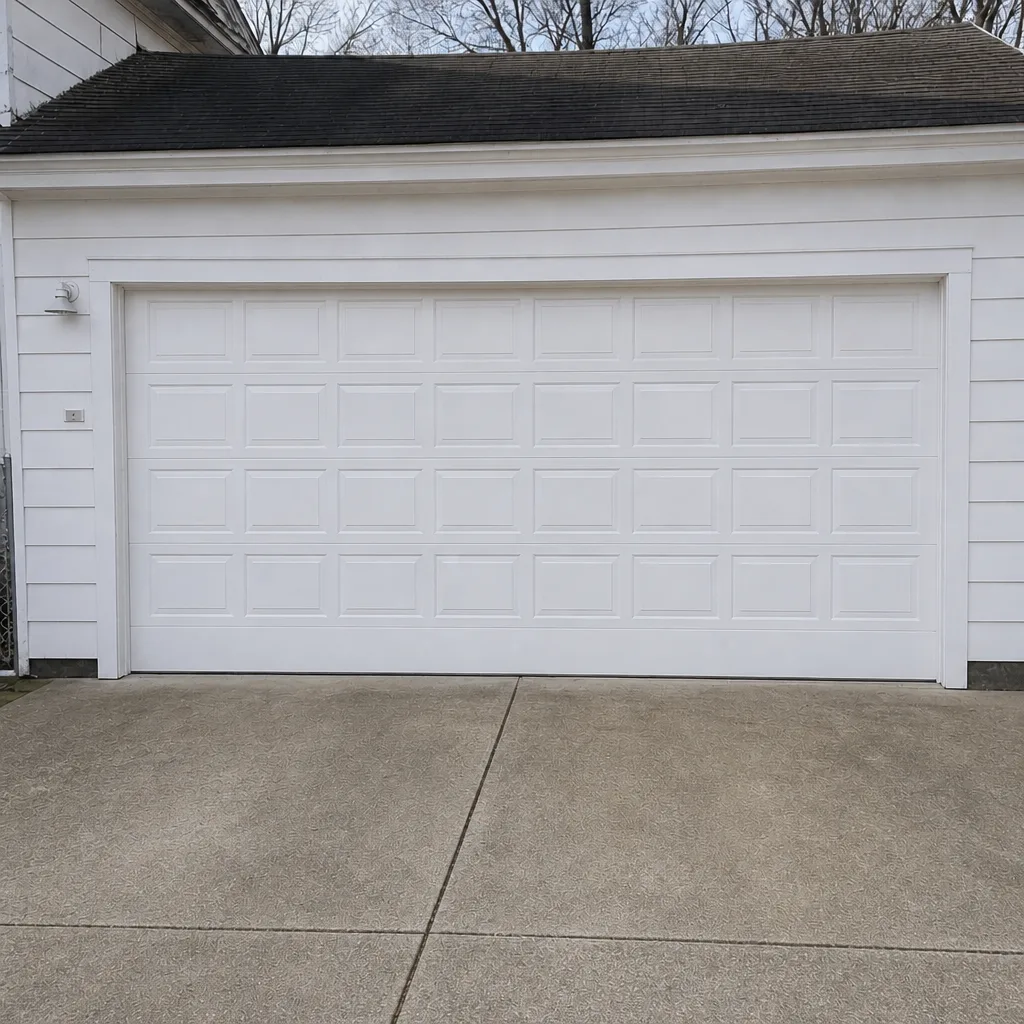 After
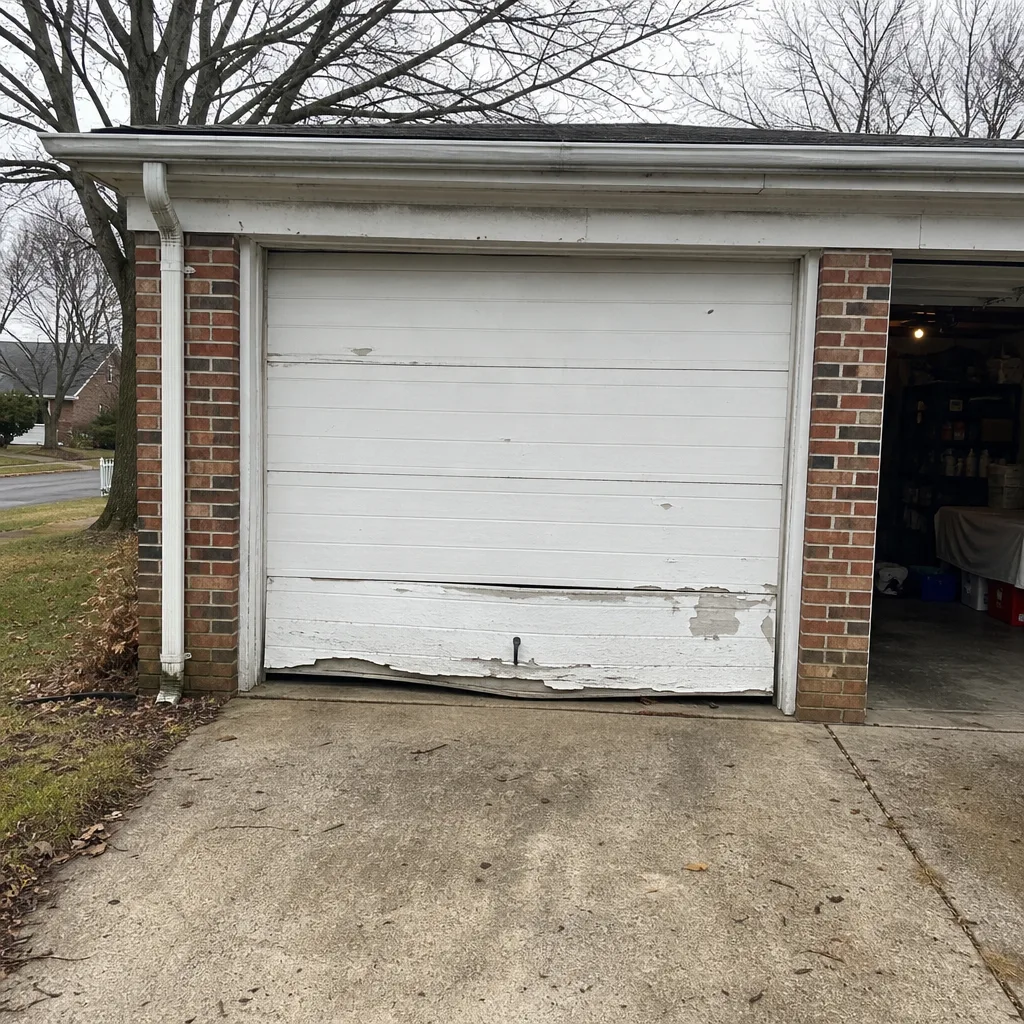 Before
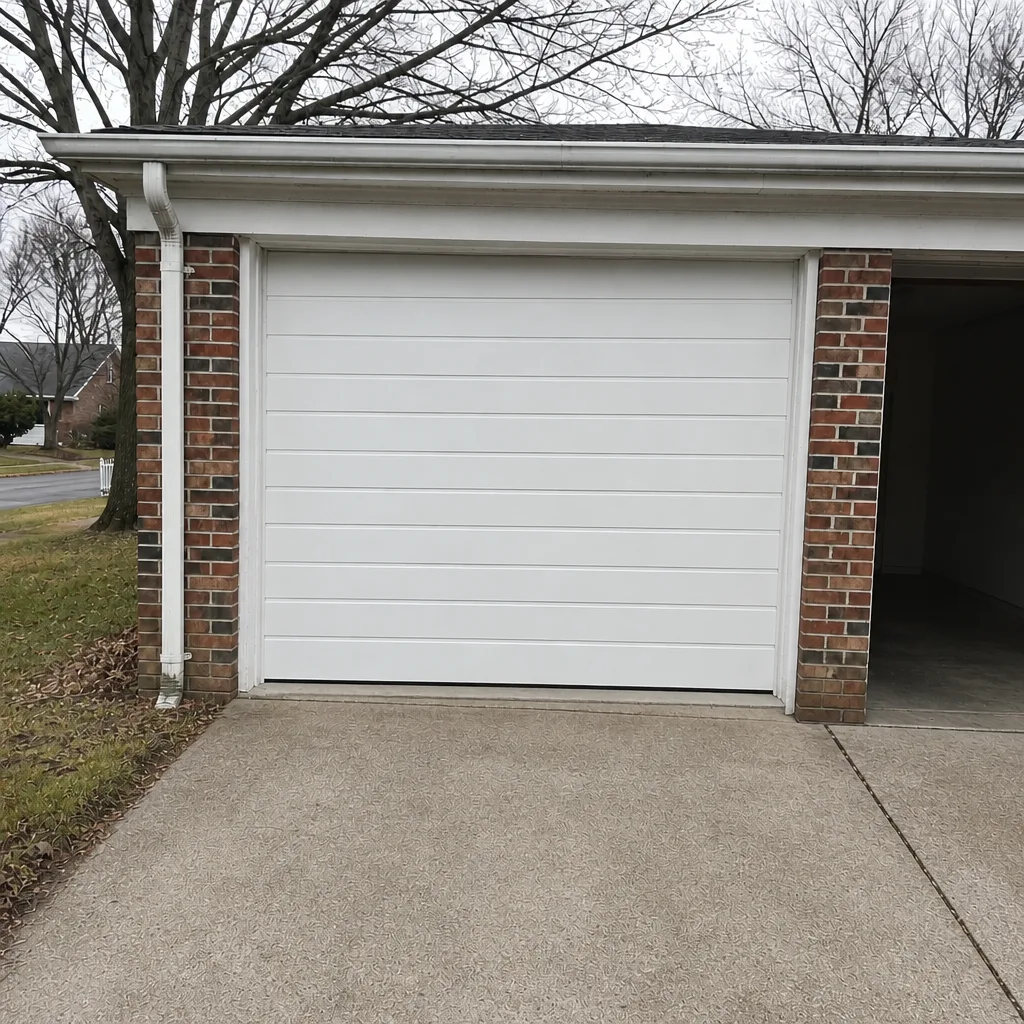 After
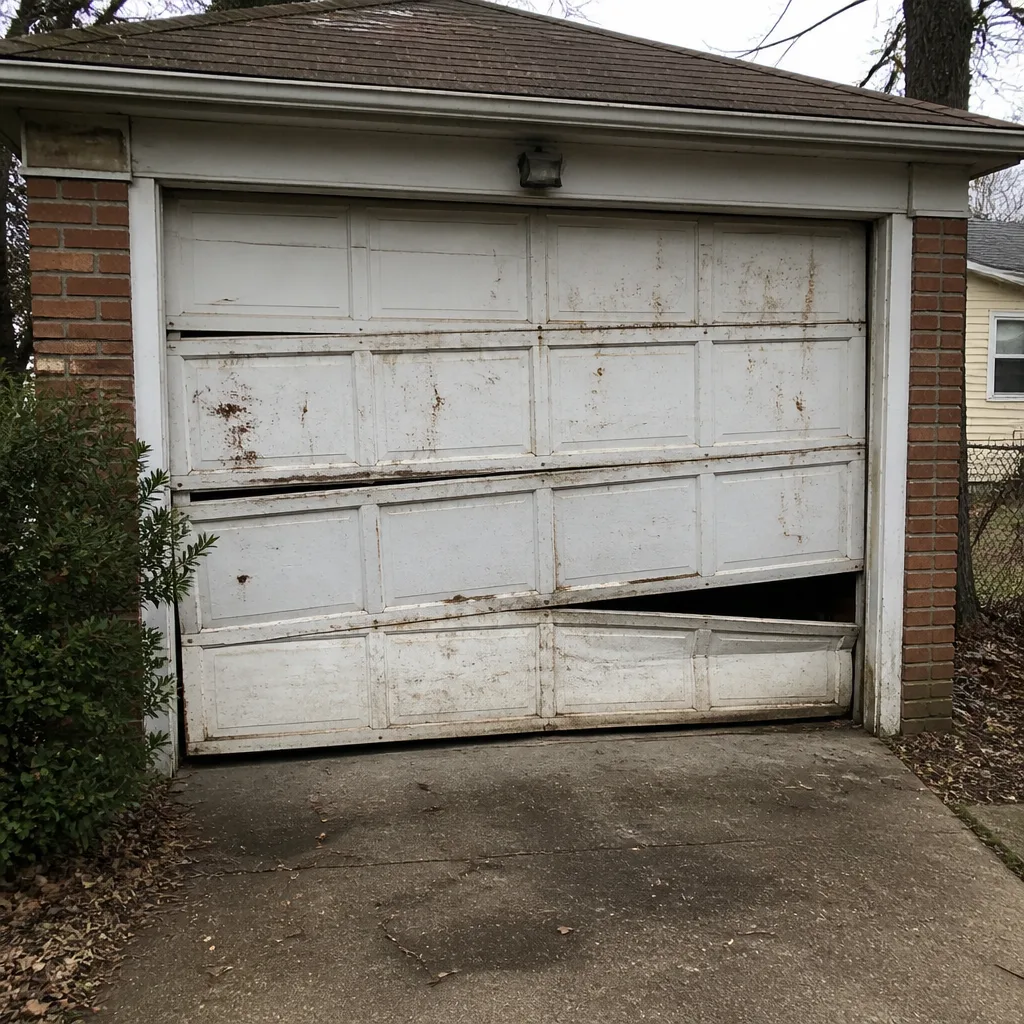 Before
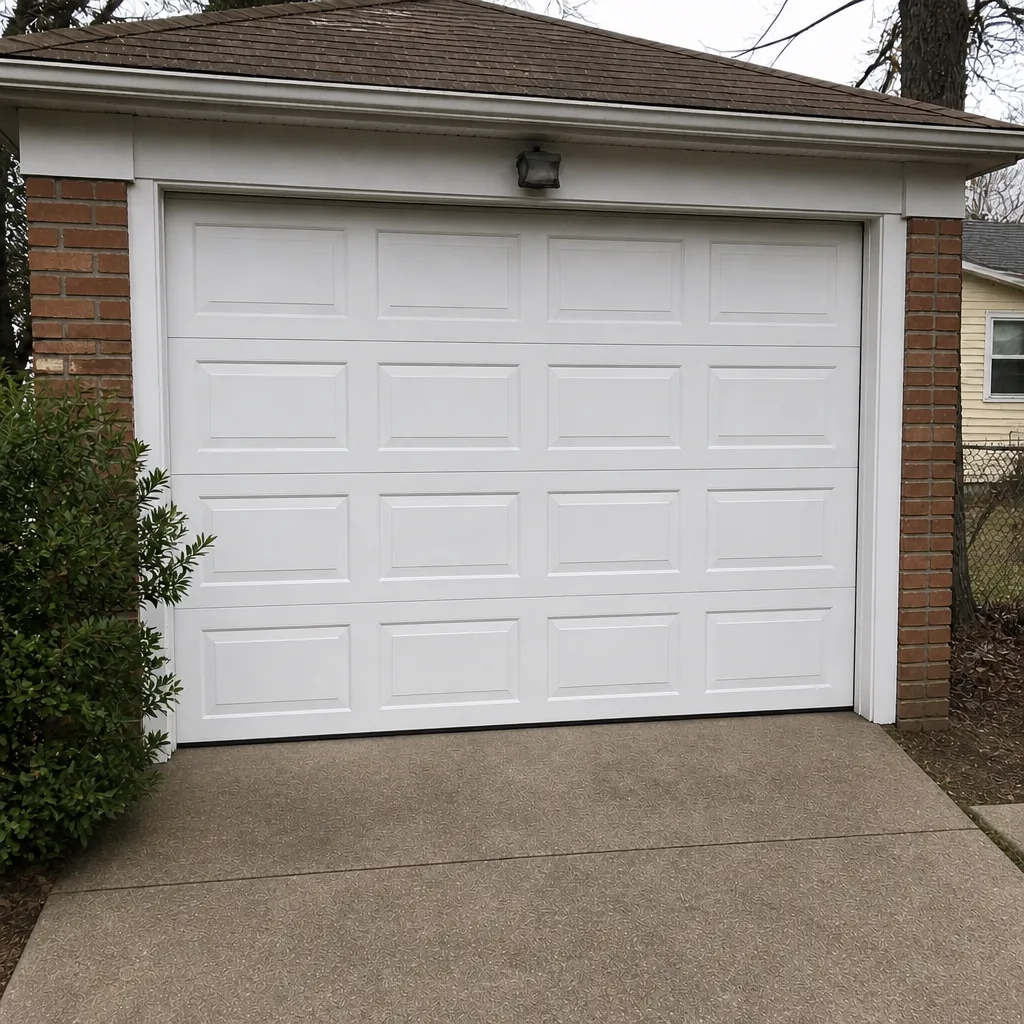 After
When to Call a Professional
Call a professional today if the door is crooked, if you heard a bang and the door no longer lifts, if a cable is frayed or off its drum, if the door fails to reverse when it contacts an object, or if it won’t stay closed. Those are the scenarios where running the opener again risks injury or turns a repair into a replacement. Call and schedule if you’re hearing grinding or popping during travel, if your door feels heavy by hand, or if the opener is hesitating or reversing without cause. And call for a routine inspection if your door is older and you’ve never had the spring looked at.
Garage Door Repair Woodridge offers free estimates in Woodridge. Call (844) 443-4173 and describe what the door is doing; it’s usually enough for us to tell you how urgent it is before anyone comes out. One call covers the full scope, from a single worn roller to a complete new system.
Frequently Asked Questions
The earliest warning signs are almost always auditory: grinding, squealing, or a popping sound from above the door, plus a door that feels heavy when you lift it by hand with the opener disconnected. A door that hesitates before moving or drifts down a few inches after closing is usually next in line. Any of these is a good reason to book an inspection before they turn into a failure.
A torsion spring breaking sounds like a sharp, loud bang, similar to a gunshot or a heavy object hitting the floor, and it’s often followed by the door dropping slightly. If you hear it, stop using the door immediately and don’t attempt to lift it by hand beyond confirming the problem. Call (844) 443-4173 and we’ll walk you through securing the area while a technician is arranged.
Lubricating hinges, rollers and the opener chain is a reasonable homeowner task and often quiets a squealing door. What you should not do is lubricate a spring to try to quiet it, adjust the opener’s force setting, or touch anything on the torsion assembly. If the noise persists after lubrication, the cause is mechanical and needs a technician.
There’s no fixed lifespan, because it depends on cycle count and how well the door is balanced, but cycles are what wear a spring out rather than years alone. Woodridge’s cold winters and humid summers both accelerate wear, and rust on the coil is a reliable sign the spring is aging. If your door is older and the spring shows any rust or tension loss, have it inspected before it fails.
A door that opens on its own usually points to a safety sensor fault, a control board issue, or a limit setting that’s drifted, and occasionally to radio interference on the opener. It’s a genuine safety concern, since a door cycling unattended can trap something or someone. Stop using the opener and have it diagnosed.
The written estimate you receive is the price, and no work starts until you’ve agreed to it. We diagnose the symptom first, explain what we found and what the repair involves, and quote before anything is touched. Call (844) 443-4173 for a free estimate so you know where you stand.
What a Warning Sign Is Actually Telling You
Garage door failures rarely arrive without notice. They announce themselves as grinding and popping, as a door that hangs a little off, as a seal that’s pulling away, as a spring that looks rustier than it did last year. The work is in translating those signals into urgency: tension and alignment problems stop the door today, while wear and lubrication problems can wait for a scheduled visit. Test balance and auto-reverse yourself, never touch the torsion assembly, and don’t raise the opener’s force setting to compensate for a mechanical fault. For everything else, a professional look early is cheaper than a failure later. When you’re ready for a proper diagnosis, Garage Door Repair Woodridge is where to start: free estimates, upfront pricing agreed before any work begins, and a call that covers the whole door.
Written by the team at Garage Door Repair Woodridge.