Last updated November 21, 2026
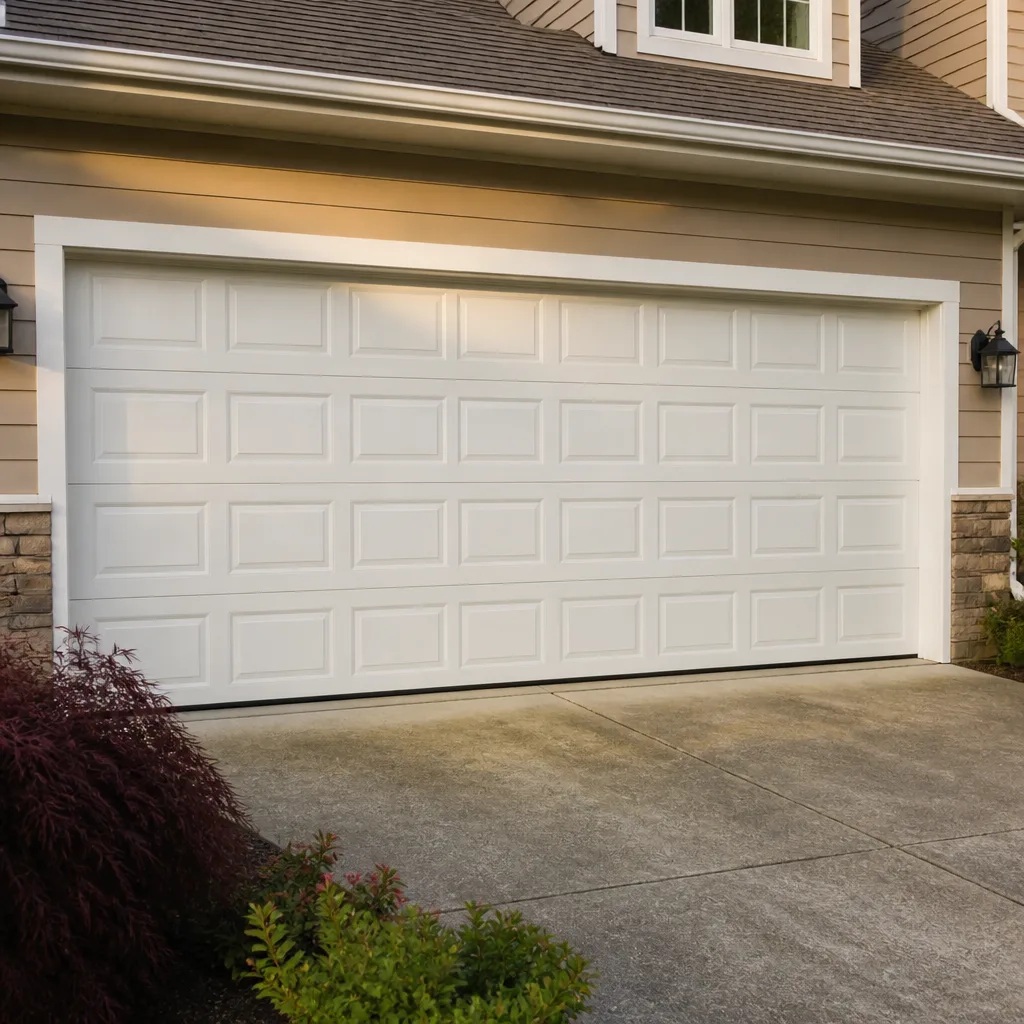 Raised-panel steel
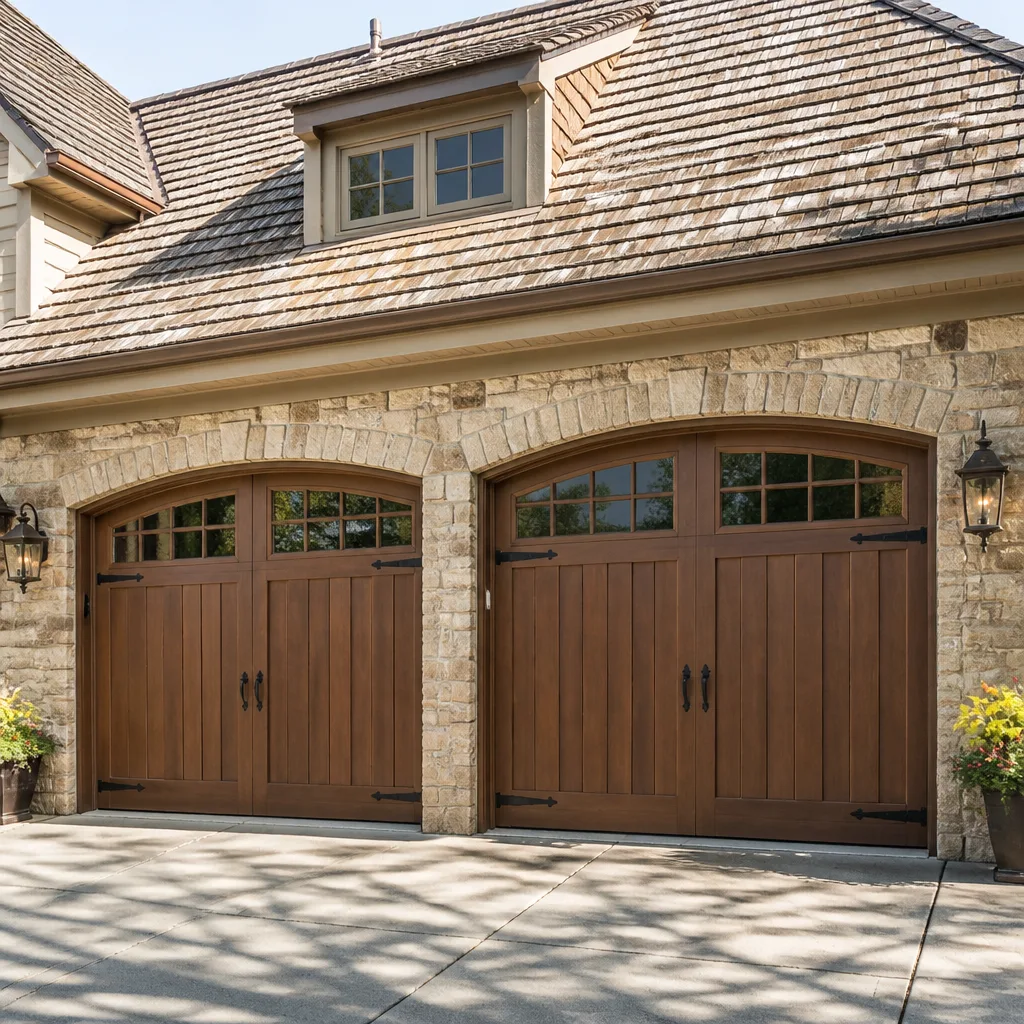 Carriage house
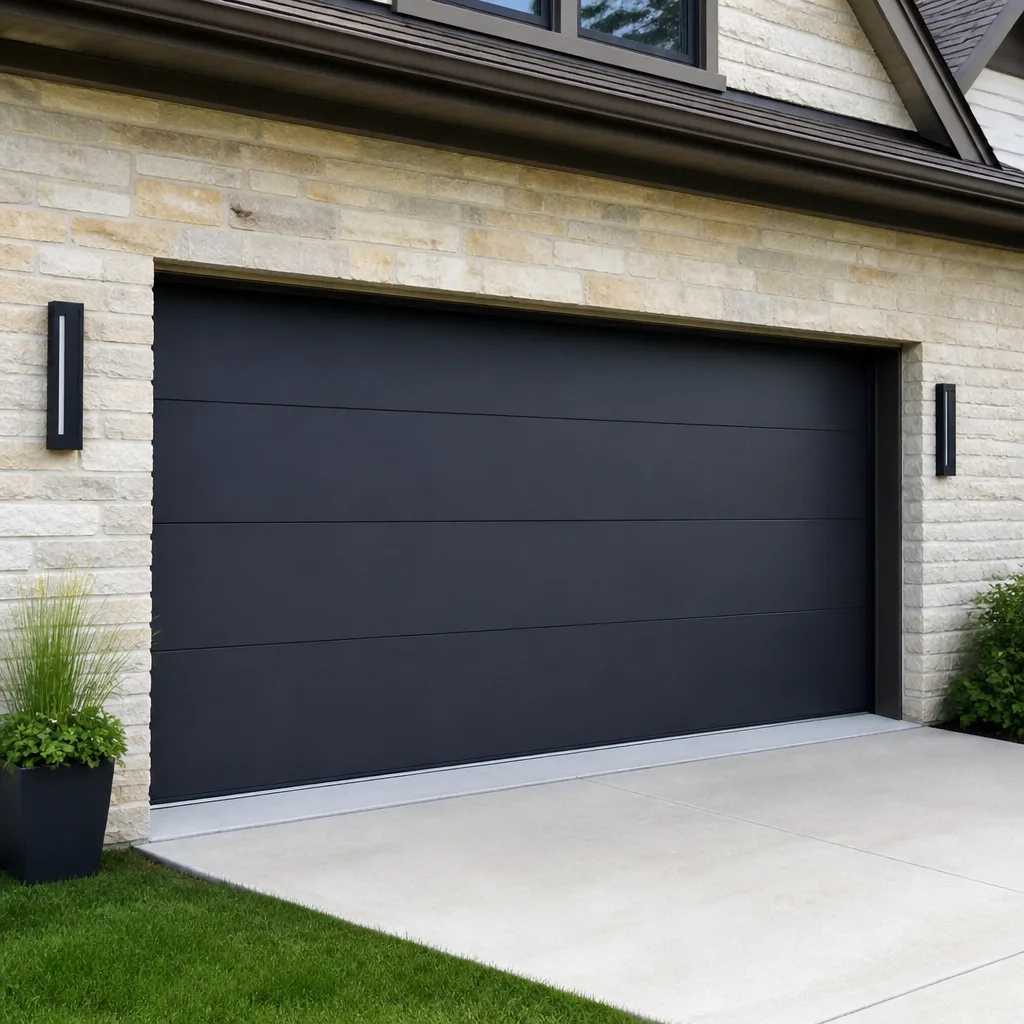 Modern flush
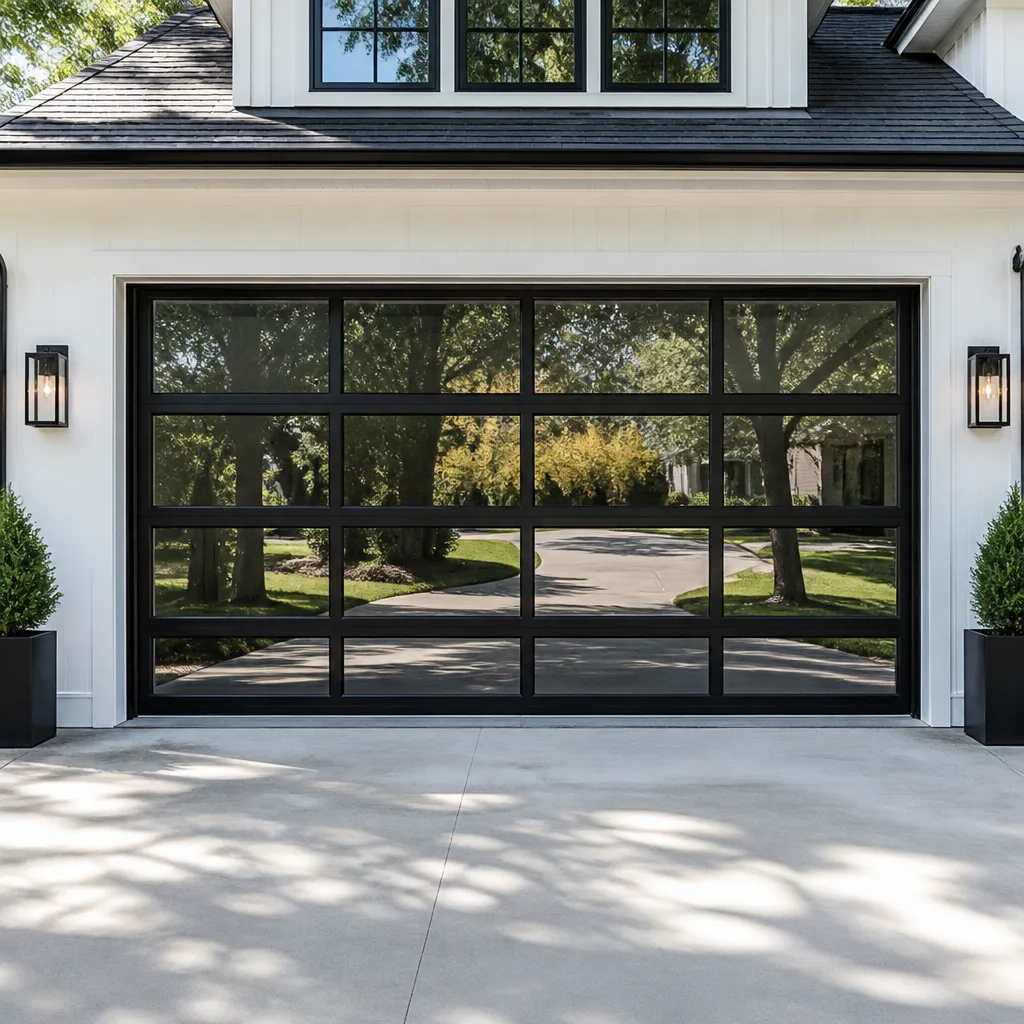 Full-view glass
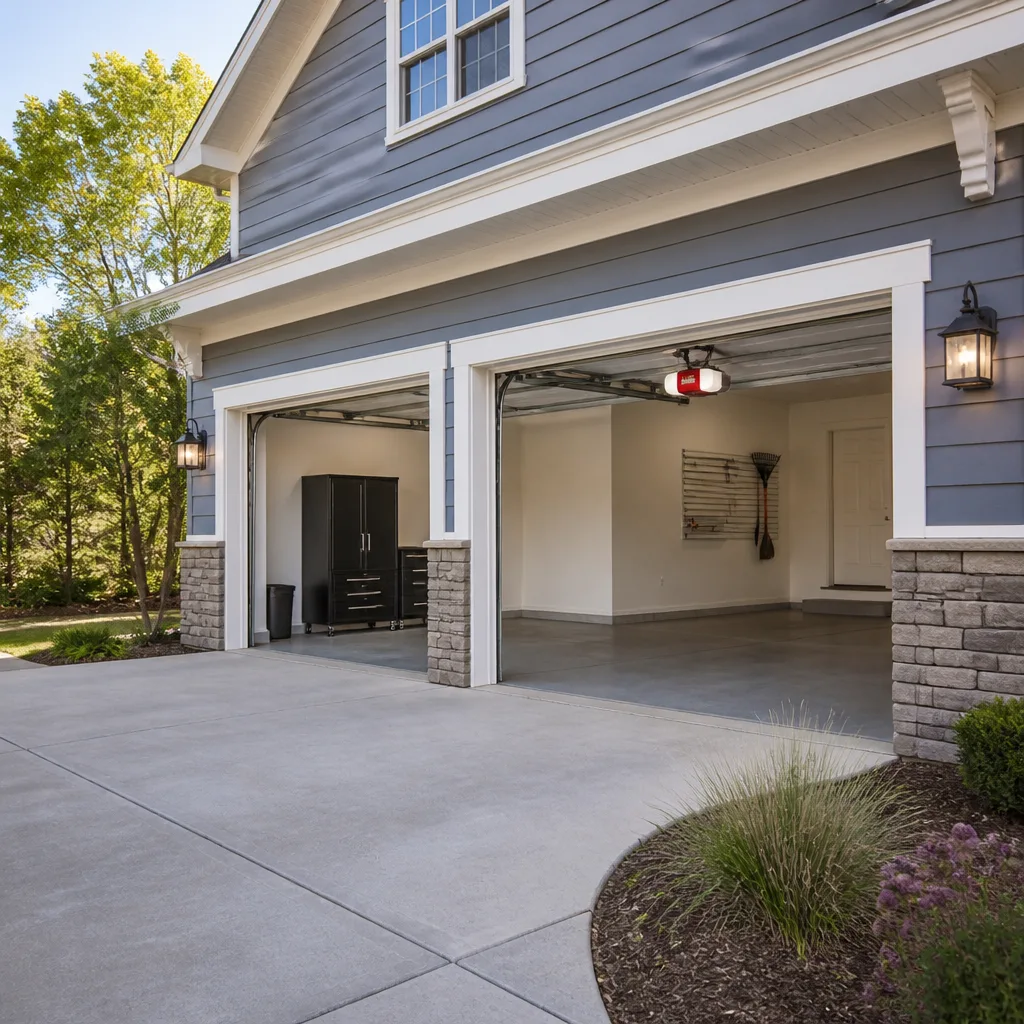 LiftMaster openers
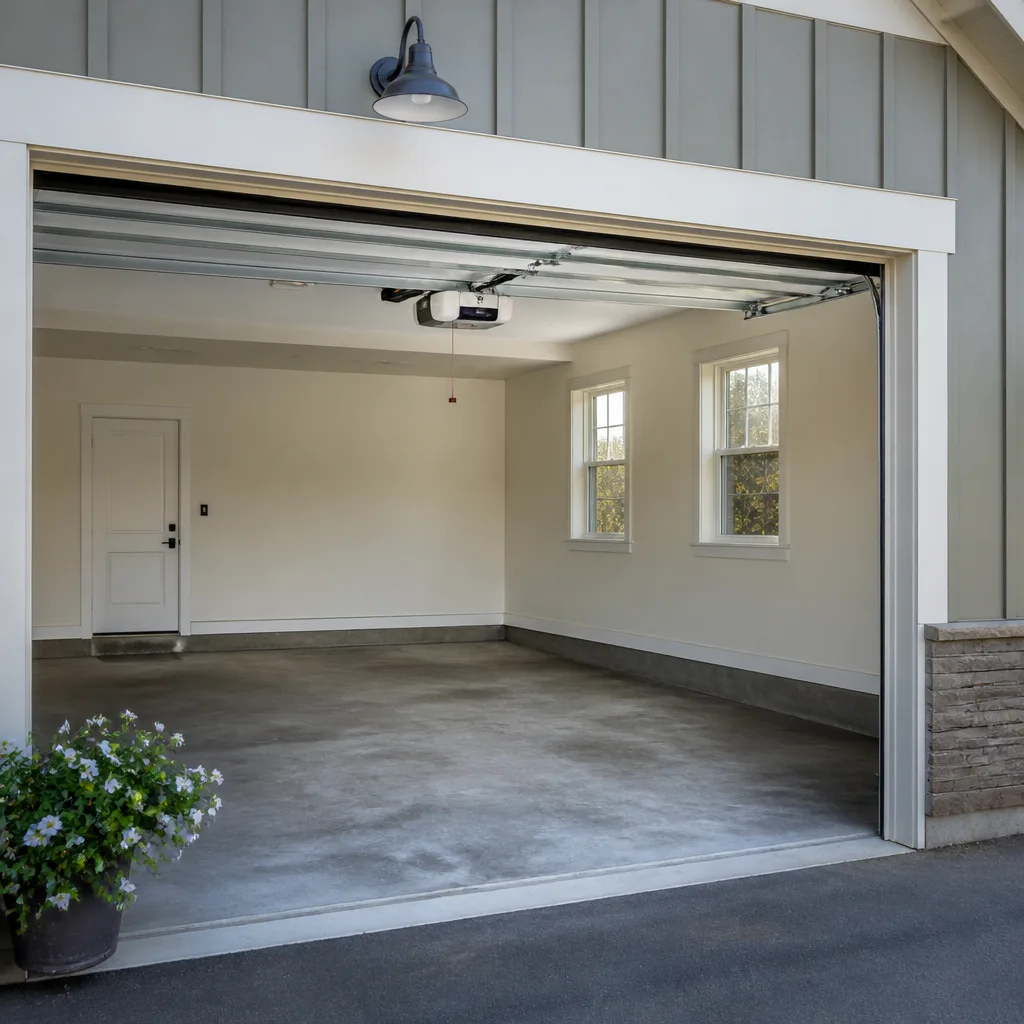 Chamberlain openers
Full 25-point door and opener safety check with every visit - springs, cables, rollers, tracks, and your LiftMaster or Chamberlain opener included
You get a price before we start. It does not change when the pro arrives.
Get your free estimateGarage Door Emergency Preparedness Guide for Woodridge Homes
Most garage door emergencies aren’t really about the door. They’re about the ten minutes after the spring snaps, when you’re standing in the driveway in your work clothes trying to figure out whether you can force the door up by hand, whether the emergency cord will help or hurt, and whether the person you’re about to call actually knows a torsion spring from a torsion tube. In Woodridge, where many homes use the garage as the front door, a failed door closes off the car, the tools, the kids’ bikes, and the main way in and out. This guide covers what to do before, during, and after a breakdown. You’ll learn the correct way to use the emergency release, how each opener type behaves in an outage, how to secure a door stuck open, and how to line up a technician now so you’re not scrolling through search results at 7 AM.
Quick Answer
A garage door emergency in Woodridge is best handled in three steps: secure the opening, do not force the door, and call a specialist who services your door and opener brand. Use the emergency release only when the door is fully closed and you understand how it re-engages. Springs, cables, and torsion hardware are dangerous to touch and belong in the hands of a trained technician. Preparing the release procedure, a manual-operation plan, and a pre-vetted repair contact before anything breaks turns a crisis into a 20-minute inconvenience.
Styles & brands we work with
- Raised-panel steel
- Carriage house
- Modern flush
- Full-view glass
- LiftMaster openers
- Chamberlain openers
Table of Contents
- Why Garage Door Emergencies Hit Woodridge Homes Harder
- How the Emergency Release Cord Actually Works (and When Not to Pull It)
- Manual Operation During a Power Outage, by Opener Type
- Door Stuck Open vs. Stuck Closed: Immediate Security Steps
- What’s Safe to Touch and What Isn’t: A Spring and Cable Safety Primer
- How to Pre-Vet an Emergency Garage Door Technician Before You Need One
- The One-Page Woodridge Homeowner Reference Card
- Seasonal Readiness Checks for Woodridge Doors
Why Garage Door Emergencies Hit Woodridge Homes Harder
Woodridge sits on ground that shifts with the seasons. Wet winters, dry summers, and the freeze-thaw cycle that runs through the colder months work on concrete slabs, door frames, and the steel and wood that make up a garage door. That movement doesn’t break a door on its own, but it adds stress to springs, hinges, and rollers that are already doing heavy lifting every time the door opens. A torsion spring that’s near the end of its cycle countdown doesn’t need much of a nudge.
The bigger factor in Woodridge is how homes are used. In many neighborhoods around town, the garage is the everyday entry point. The front door gets used for guests and packages; the garage gets used every single day, often several times. That means a broken door isn’t an abstract inconvenience. It’s the difference between getting to work and not, between the car being accessible and blocked, between a secure house and an open one.
Woodridge also has a mix of older homes with original doors and newer construction with contemporary sectional systems and smart openers. Both fail, but they fail in different ways. Older doors tend to give warning signs slowly: a squeak that gets louder, a door that drifts down a little before the opener catches it, a spring that looks stretched. Newer systems tend to fail electronically first: a remote that stops responding, a wall button that works while the remote doesn’t, a safety sensor that flashes and refuses to let the door close. Knowing which category your door falls into helps you prepare for the right kind of emergency.
And then there’s the timing. Doors don’t wait for a convenient moment. They fail on cold mornings when metal contracts, on hot afternoons when a tired spring finally gives, and on the day you’re already running late. Preparedness is the difference between a controlled response and a scramble.
How the Emergency Release Cord Actually Works (and When Not to Pull It)
The red cord hanging from your opener trolley is one of the most misunderstood pieces of hardware in a house. Pulling it detaches the door from the opener’s drive so you can move the door by hand. That’s its whole job. It doesn’t lower the door, it doesn’t lock anything, and it doesn’t “reset” a stuck door. It just disconnects the motor.
Here’s what most homeowners don’t realize: you should only pull that cord when the door is fully closed. If you pull it while the door is open or mid-travel, you’ve disconnected the one thing holding a heavy, spring-tensioned panel system in position. A door with a broken spring, or with a spring that’s been weakened, can drop fast once the opener stops resisting it. That’s a hand and finger injury waiting to happen, and it’s how a lot of home accidents start.
A safer sequence when the door won’t move:
- Confirm the door is fully closed and resting on the floor before touching the release cord.
- Stand to the side of the door, not underneath it, and keep hands clear of the panel joints and hinges.
- Pull the cord straight down and let the trolley detach.
- Test the door’s weight by lifting at the bottom handle with both hands, slowly. If it feels impossibly heavy or won’t stay up, stop. The spring is the problem, and no amount of lifting will fix it.
- Re-engage the trolley only when the door is fully closed, by following the opener’s manual and letting the carriage click back into place.
If a door needs to come open for the car and the spring is genuinely broken, don’t force it. Call for Garage Door Repair Woodridge so a technician with the right tools and safety gear can address the spring instead of fighting a door that’s holding back hundreds of pounds of tension.
Manual Operation During a Power Outage, by Opener Type
Power outages happen, and they don’t always come with warning. If your opener has a battery backup, the door usually still runs for a while. If it doesn’t, you’re working the door by hand, and how that goes depends on which opener you have.
Chain drive openers
Chain drive systems are the most common in older Woodridge homes. They’re heavy and loud, but straightforward. Pull the release cord with the door closed, then lift the door by hand. Chain drives tend to add more rolling resistance than belt drives, so a door attached to one feels a bit heavier even when everything is working correctly. If it feels like lifting a shipping crate, the spring has likely failed and manual operation is off the table until it’s repaired.
Belt drive openers
Belt drives run quieter and smoother. In an outage, the same rule applies: door closed, cord pulled, door lifted by hand. Because belt-drive systems often pair with newer, well-balanced doors, they’re usually the easiest to operate manually – if the springs are healthy. If the door fights you, don’t keep pulling.
Screw drive openers
Screw drives are less common but show up on some older installations. The manual release works the same way, but screw-drive carriages can be stiffer to disengage. Pull the cord firmly and at a straight downward angle. Don’t yank it sideways or twist the trolley. After an outage ends, re-engage with the door closed and let the opener run through a full open-close cycle before trusting it with the car.
Smart openers and battery-backup units
Units with battery backup usually don’t need manual release for short outages. Check the unit’s indicator light and try the wall button first. If the battery is dead and the door needs to move, fall back to the release procedure. Familiar names like LiftMaster and Chamberlain make up a large share of the openers we service in Woodridge, and their backup systems are common in newer homes. If yours is unclear, check the manual or call for guidance before pulling anything.
One more thing: some openers have a lockout feature that needs to be disabled before the door will respond to commands in an outage. If the wall button seems dead but you’ve confirmed power elsewhere in the house, look for a vacation or lock button on the wall control. Releasing that can solve the problem in seconds. Our garage door opener repair team can diagnose a stubborn unit that refuses to respond even after power returns.
Door Stuck Open vs. Stuck Closed: Immediate Security Steps
A door stuck closed is frustrating and inconvenient. A door stuck open is a security problem that needs immediate attention. Both start with the same first question: is the door stuck mechanically, or is the opener refusing to move it? Those require different responses.
If the door is stuck open
Your priority is securing the opening before you do anything else. Work through these steps in order:
- If the door is open but stable, leave it alone. Don’t try to force it down by hand – a stuck door is often stuck because something in the track, spring, or opener is holding it, and forcing it can twist panels or send hardware loose.
- Clear anything valuable out of the garage that’s visible from the street. Tools, bikes, and lawn equipment are easy targets.
- Lock the man door if the garage connects to the house.
- Block the opening from the outside if you can do it safely – a vehicle parked across the threshold, or a temporary barrier if you have one. Don’t improvise with things that could fall on someone.
- Call a garage door technician. A door that won’t close is a mechanical or electronic problem, and a general handyman can make it worse.
If the door is stuck closed
This one is safer, but often more inconvenient. If the car is inside and you need it, remember that the emergency release is your tool – used correctly, with the door closed, and with the understanding that a broken spring means the door stays put until it’s repaired. If the door is stuck because the opener has failed but the springs are healthy, manual operation may be a real option. If it’s stuck because the door has come off its track or the spring has broken, call for repair. Never try to pull a door back onto a track yourself; the springs under tension behind it make that a serious injury risk. For full assessment and repair, our garage door repair specialists handle both scenarios.
What’s Safe to Touch and What Isn’t: A Spring and Cable Safety Primer
Garage door springs are the most dangerous part of the system and the one homeowners most often underestimate. A torsion spring held on the shaft above the door or an extension spring running along the track is storing enough energy to lift a door weighing hundreds of pounds. When one breaks, that energy releases instantly. There’s no warning, no slow failure, and no safe way to handle it without the specific tools and training for the job.
Things you can safely do yourself:
- Visual inspection of springs for gaps, visible breaks, or stretched coils
- Checking that the door runs smoothly by hand (opener disengaged, door balanced)
- Testing the safety reverse function by placing an object in the door’s path
- Lubricating rollers, hinges, and tracks with a garage-door-appropriate lubricant
- Tightening loose bolts on hinges and brackets (never on spring hardware)
- Replacing a remote battery or re-pairing a remote to the opener
- Clearing debris from the photo-eye sensors and aligning them
Things that belong in a technician’s hands, no exceptions:
- Replacing torsion springs or extension springs
- Adjusting or replacing springs under tension
- Replacing cables, drums, or bottom brackets
- Realigning a door that has come off its track
- Replacing a bent or cracked panel that’s affecting the balance
- Any work that requires disconnecting the door from the opener for more than a manual open
Spring work is a named specialty for us because it’s the highest-risk, most skill-dependent repair in the trade. If you hear a loud bang from the garage and the door won’t lift, the spring has almost certainly broken. Stop, leave the door closed, and call. Our technicians have up to 15 years of experience with this exact repair on every major residential brand.
How to Pre-Vet an Emergency Garage Door Technician Before You Need One
The worst time to look for an emergency garage door technician is the moment your door breaks. You’re stressed, you’re scrolling, and every listing looks the same. The better move is to line up your contact now, before anything goes wrong. Here’s what to look for:
Availability. Ask directly whether they offer emergency service, not just standard repair hours. Some companies advertise repair but can’t actually respond outside normal scheduling. A technician who specializes in garage doors and treats emergencies as a core part of the business will answer that question without hedging.
Response time. Ask how quickly they can typically get to a Woodridge address for an emergency. Vague answers (“we’ll do our best”) aren’t useful. Concrete answers are.
After-hours pricing. Ask upfront whether emergency calls carry a different rate than standard appointments, and ask them to confirm the price before they start work. Any reputable technician will quote before touching the door. That’s non-negotiable.
Brand familiarity. A specialist who services your specific opener and door brand will diagnose faster and know which parts are compatible. If your door is an Amarr or a Wayne Dalton, or your opener is a Craftsman or a Raynor, ask whether they work on it regularly. A generalist may have to guess.
Scope of service. A technician who handles openers, springs, panels, and full installation under one roof saves you a second call and a second diagnostic fee. Look for that range.
Code and permit awareness. For full door or opener replacement, Woodridge permits may be required. Ask whether the technician is familiar with the local permit process. It’s a good sign when they can answer without checking.
When you’re ready to compare, a free estimate from a Woodridge specialist gives you the written number before any work begins. Call (844) 443-4173 and we’ll get you a clear picture of what the repair involves.
The One-Page Woodridge Homeowner Reference Card
Copy this onto an index card and tape it inside a kitchen cabinet or on the wall next to the door going into the garage. It’s the information you’ll want in front of you when you’re standing in the driveway with a dead door.
Component locations
- Emergency release cord: hanging from the opener trolley, usually red with a handle
- Torsion spring: horizontal shaft above the door (most modern doors)
- Extension springs: one on each side, running along the horizontal track (older doors)
- Photo-eye sensors: small lenses near the floor on each side of the door
- Manual lock (if present): on the door’s track or side
- Wall control panel: inside the garage, usually near the man door
- Opener reset button: on the opener motor housing
Emergency steps, in order
- Door closed and stable? Pull the release cord and try lifting by hand.
- Door won’t lift or feels impossibly heavy? Stop. Spring is likely broken. Leave it.
- Door stuck open? Secure the opening before anything else.
- Check the wall control for a lock or vacation button that may be preventing operation.
- Power outage? Try the wall control first, then check for battery backup.
- Call the emergency contact you’ve already listed below.
Emergency contacts
- Garage door emergency: (844) 443-4173
- Non-emergency police: your local Woodridge police non-emergency line
- Home insurance agent: your policy contact
- Neighbor with a spare key or access: a trusted neighbor’s number
Adding this card to the wall costs nothing and saves a lot of guessing when the moment comes.
Seasonal Readiness Checks for Woodridge Doors
Most garage door emergencies have a warning period. The spring that breaks in January usually gave hints in December. Building a short seasonal habit around the door catches those hints before they become a call.
Late fall, before the cold
- Test the door’s balance by disengaging the opener (door closed) and lifting halfway. It should stay there with light resistance. If it slams or won’t stay up, the springs need attention.
- Lubricate rollers, hinges, and the torsion shaft with a garage-door-rated lubricant, not WD-40.
- Check the weatherstripping along the bottom for cracks or gaps that let cold air and moisture in.
- Clear the tracks of debris and check that the door closes flush to the floor.
Spring, after the thaw
- Look for signs of movement in the concrete slab or door frame – cracks, gaps, or uneven gaps along the sides of the door.
- Test the safety reverse function by placing a small object in the door’s path and confirming it reverses.
- Check the photo-eye sensors for dirt, cobwebs, or misalignment.
- Run the door through a full cycle and listen for new sounds: grinding, scraping, or a hesitant start.
Summer and mid-year
- Listen to the opener’s sound. A new rattle or groan usually means a loose bolt or a worn roller.
- Test the emergency release – pull it with the door closed, then re-engage – so you know how it feels before you actually need it.
- Check the door’s paint or finish for cracks where moisture can get in, especially on wood doors common in some Woodridge neighborhoods.
Any time the door starts cycling slower, louder, or rougher, treat it as an early warning. A scheduled repair is cheaper and easier than a middle-of-the-night emergency.
Common Mistakes to Avoid
- Pulling the emergency cord while the door is open. This disconnects the one thing holding a heavy door up. A door with a weak or broken spring can drop fast once the opener stops resisting it. Pull it only when the door is fully closed.
- Calling a general handyman for spring work. Springs carry hundreds of pounds of tension and require specific tools and training. A generalist may not have the equipment, and the risk isn’t worth the savings. Call a garage door specialist.
- Forcing a door back onto its track. If your Woodridge door has popped a roller, the tension on the springs won’t care how carefully you’re pushing. Realignments belong in a technician’s hands.
- Ignoring a broken spring because the opener “still works.” Running the opener with a broken spring puts excessive strain on the motor and carriage. It may work briefly, then fail too – and now you have two repairs instead of one.
- Not knowing your opener brand. When you call for help, the first question will be which opener you have. LiftMaster, Chamberlain, Genie, Clopay, and the rest each have different manuals and diagnostic steps. Find the brand and model now.
- Waiting on a stuck-open door. That’s a security problem before it’s a repair problem. Secure the opening first, then call.
- Leaving the emergency card for “someday.” Writing down your contacts and the release procedure takes five minutes. Not having them when you need them costs far more.
See the difference
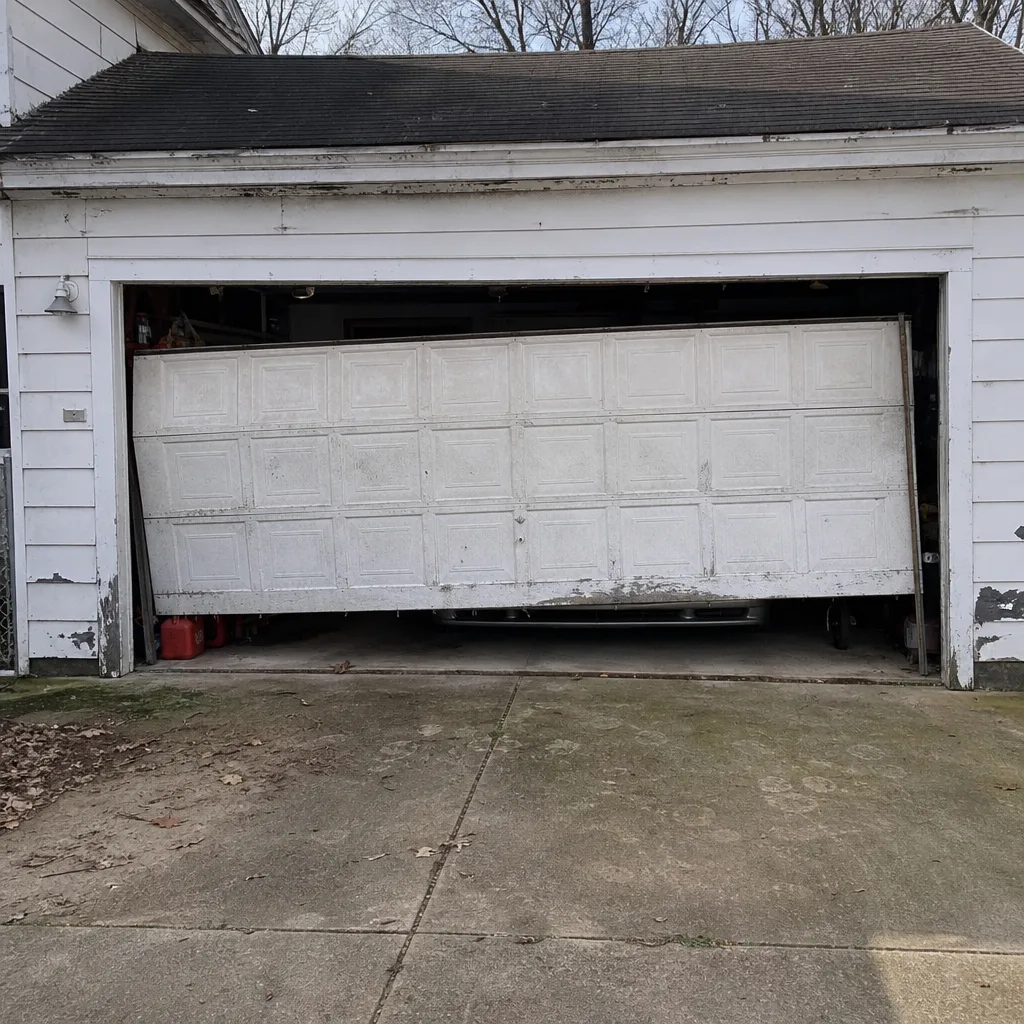 Before
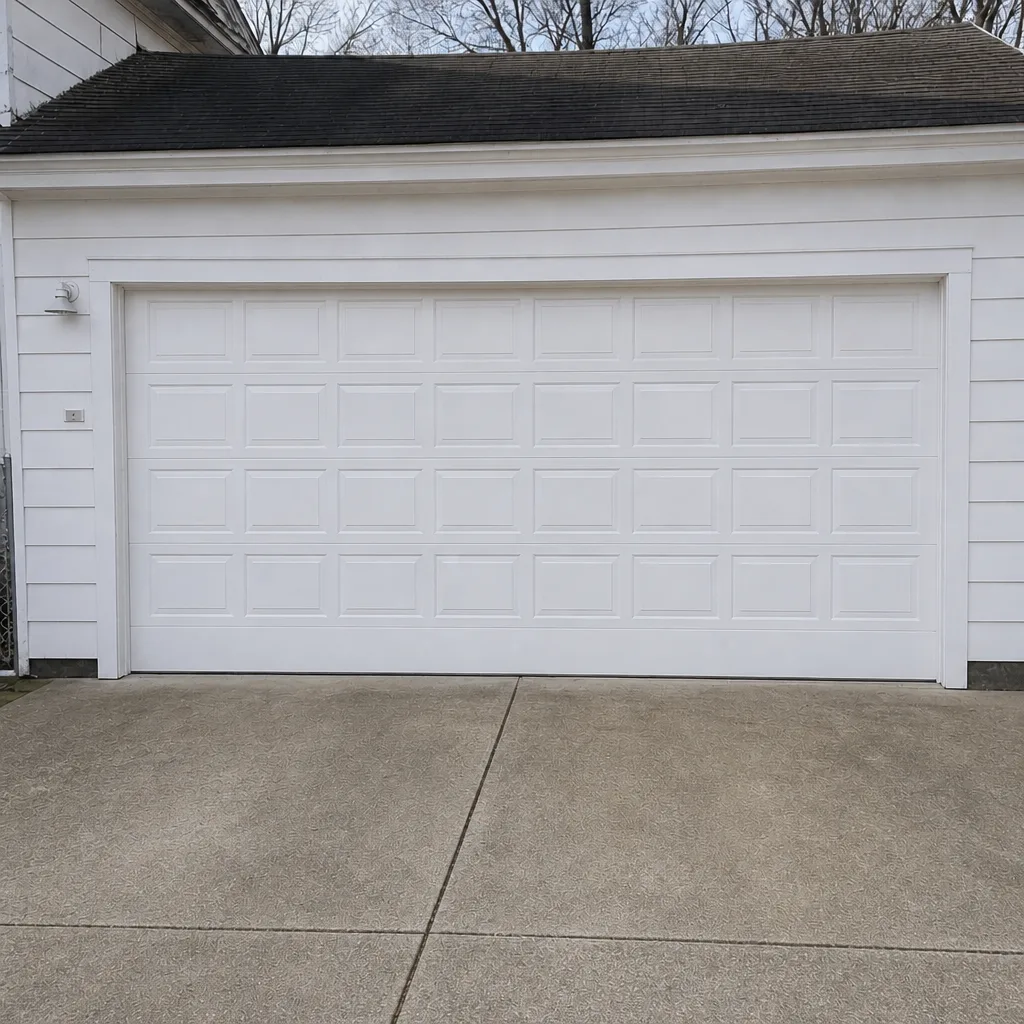 After
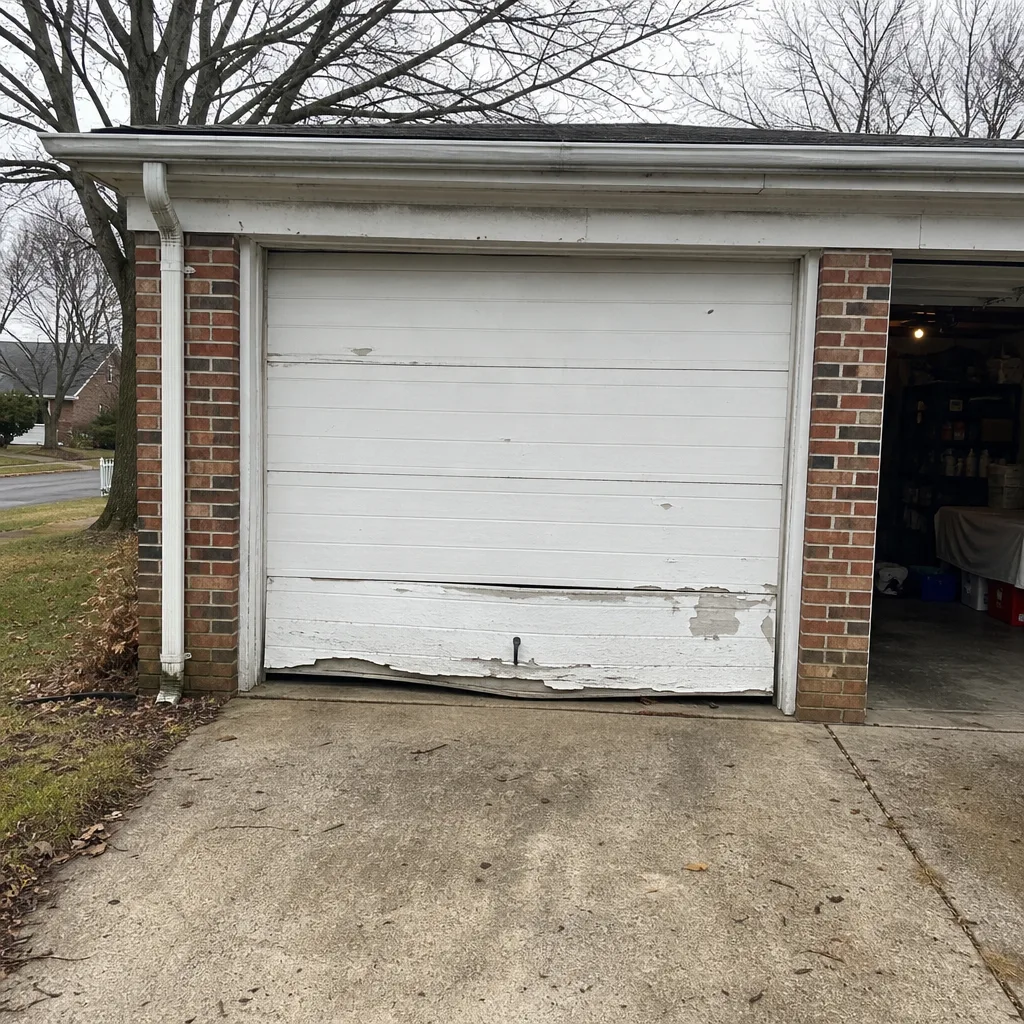 Before
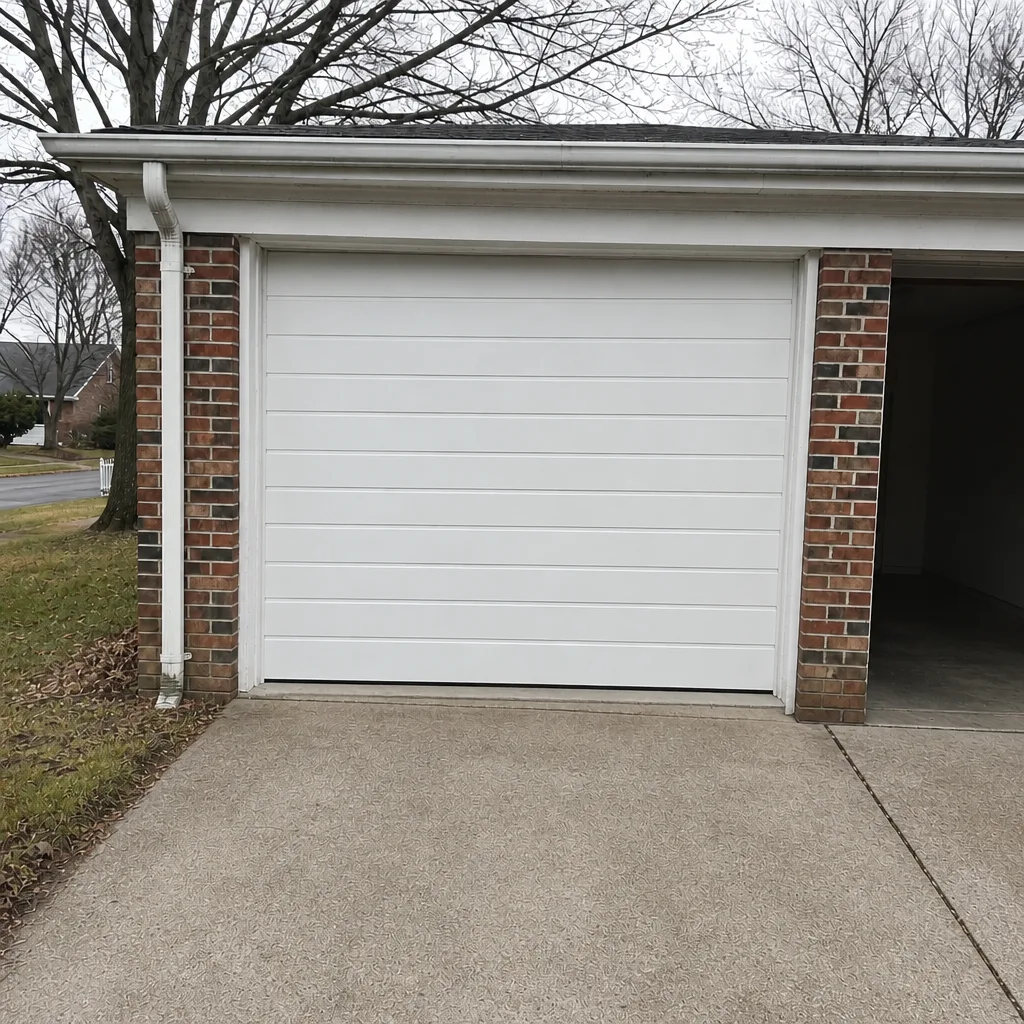 After
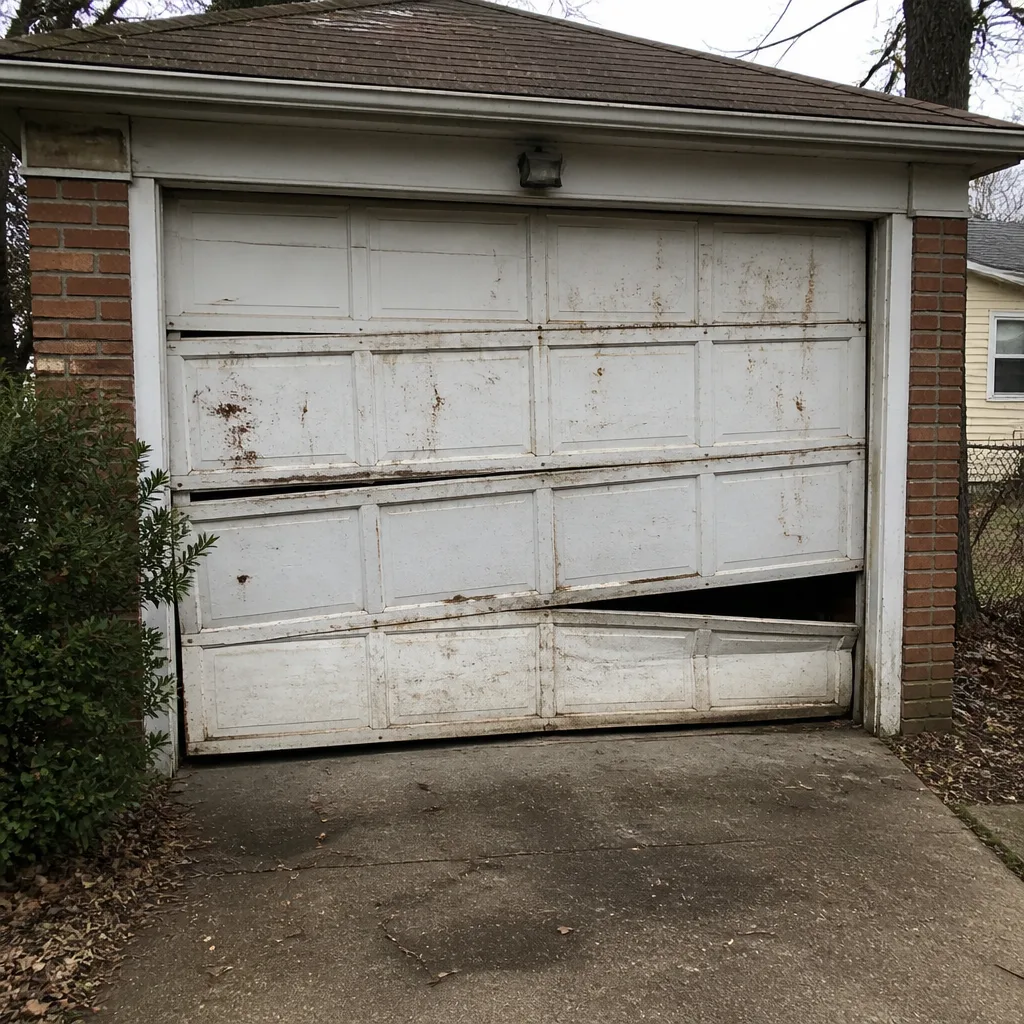 Before
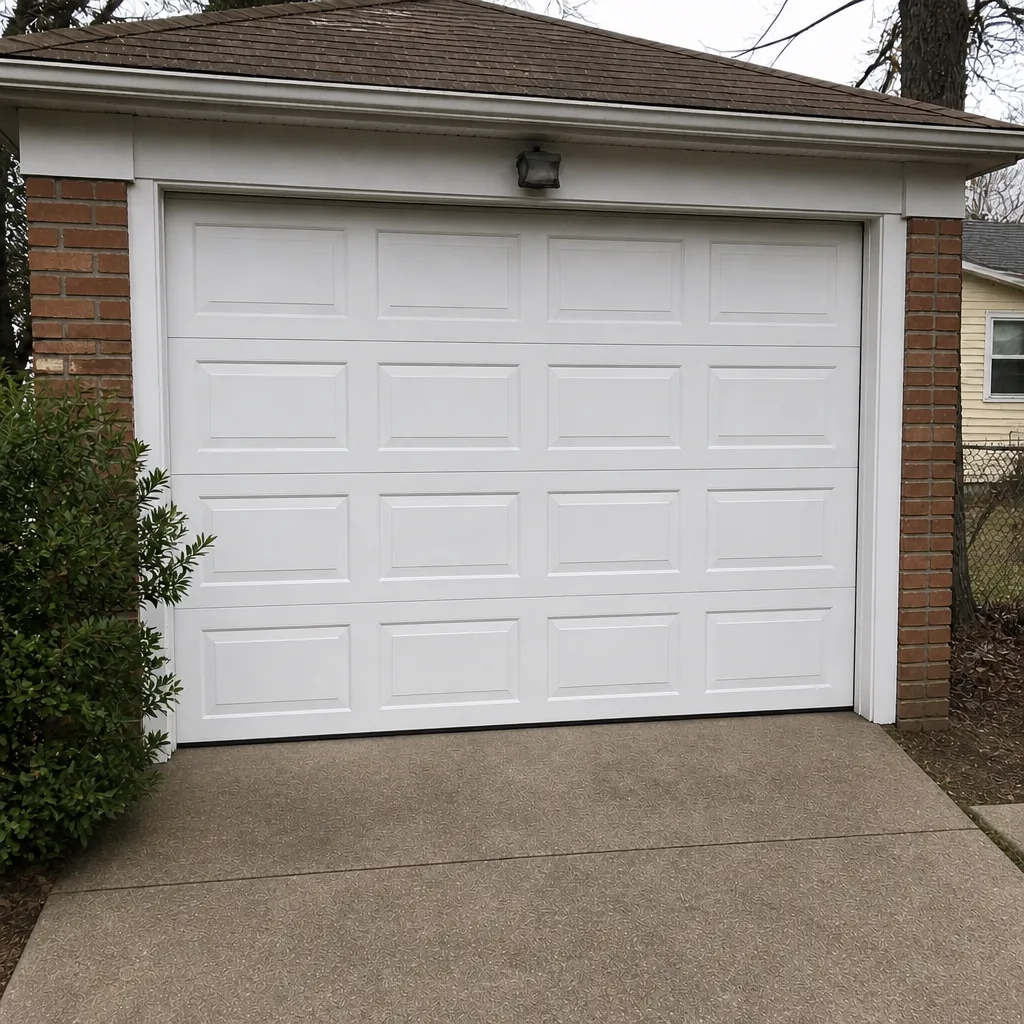 After
When to Call a Professional
Call a garage door technician when a spring breaks, a cable comes loose, the door leaves the track, the opener stops responding to multiple remotes and the wall control, the door reverses for no reason, or the door won’t stay up when lifted by hand. Call immediately if a door is stuck open and you can’t secure the opening, or if you hear a loud bang from the garage and the door won’t lift. Don’t wait on any of these – small mechanical problems tend to turn into bigger ones, and the door is heavy. For scheduled replacements or new installations, the process is different: measure first, order parts, schedule the work. Garage Door Repair Woodridge offers free estimates in Woodridge; call (844) 443-4173 and we’ll walk through what your door needs and put the price in writing before any work starts.
Frequently Asked Questions
Most emergency repairs in Woodridge fall somewhere in the low hundreds of dollars depending on the part – a broken spring, a snapped cable, a failed opener, or a door off its track. Springs are often the largest single component cost. Emergency calls may carry a different rate than standard appointments, so ask and confirm the price before any work starts. Call (844) 443-4173 for an exact quote – estimates are free.
Emergency garage door service is a core offering for us, not an upsell, and doors that won’t close are typically a same-day priority because they’re a security issue. Call (844) 443-4173 and we’ll give you the next available window. If the door is stuck open, secure the opening first – clear valuables from view and lock the man door – then call.
A loud bang followed by a door that won’t lift almost always means a spring has broken. Stop. Don’t try to lift the door by hand, don’t run the opener, and don’t touch the spring hardware. Leave the door closed and call a technician. Springs are under extreme tension and are not a safe DIY repair. Call (844) 443-4173 and we’ll get a technician out to inspect and repair safely.
The local pro who performs the work is licensed and insured as required by their state, and we only connect you with vetted professionals. Ask to see credentials when they arrive – any reputable technician will provide them without hesitation. We stand behind the work with a satisfaction guarantee, and the price is quoted and agreed before anything starts.
No. The written quote is the price. We quote before any work begins, based on what the door actually needs after diagnosis, and the number you agree to is the number you pay. If diagnosis reveals something else is wrong, we’ll tell you before touching it and revise the quote with your approval. Call (844) 443-4173 for a free estimate.
Secure the opening first: clear anything valuable from view, lock the man door, and block the opening as best you can without creating a hazard. Then call (844) 443-4173. We are closed on Saturdays, but if a door fails on a Saturday, call us and we’ll book you for Sunday. Early mornings or Sundays can work for emergency scheduling – we’ll confirm the availability when you call.
The Bottom Line
Preparedness is what separates a bad morning from a manageable one. Learn your door’s components, practice the emergency release with the door closed, know what each opener type does in a power outage, and pre-vet a technician now so you’re not scrambling later. Most important: know what not to touch. Springs, cables, and track realignments belong in trained hands, and a Woodridge specialist will get you back up and running faster than a generalist ever could. From opener to panel to full installation, one call should cover the whole job. If you have a full replacement coming up rather than an emergency, our garage door installation team schedules a free measure and a written price before any work is ordered. Keep this guide handy, put the reference card on the wall, and call us when you need us. For a free estimate from a garage door specialist who works on your brand, contact Garage Door Repair Woodridge at (844) 443-4173 and we’ll take it from there.
Written by the team at Garage Door Repair Woodridge.