Last updated November 21, 2026
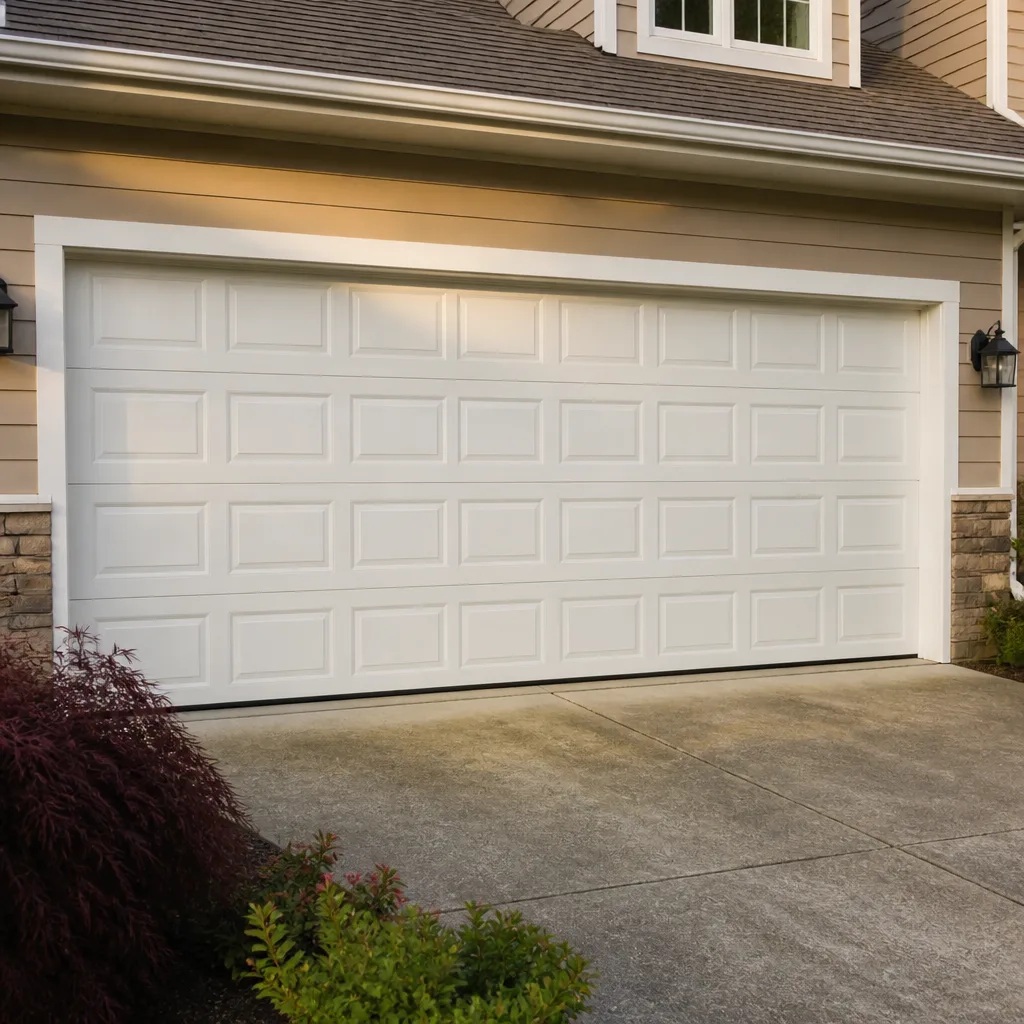 Raised-panel steel
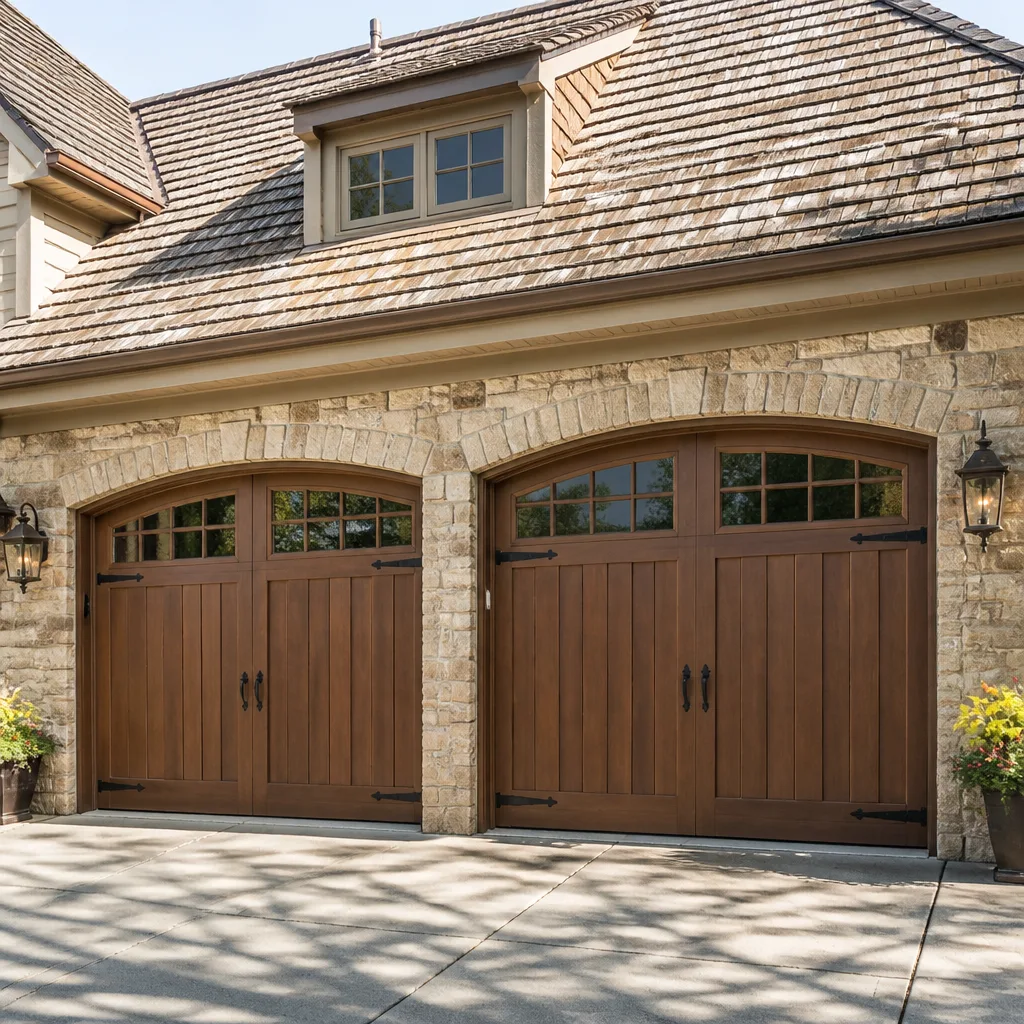 Carriage house
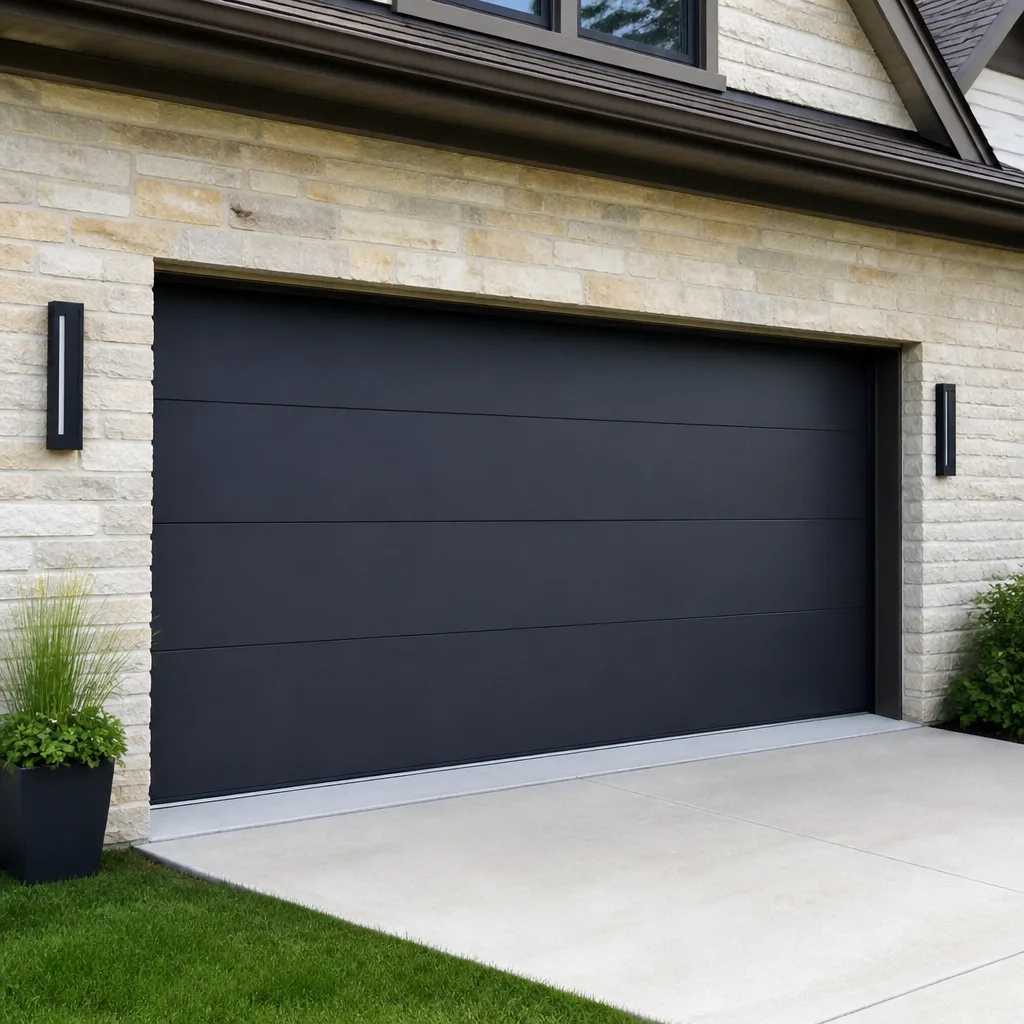 Modern flush
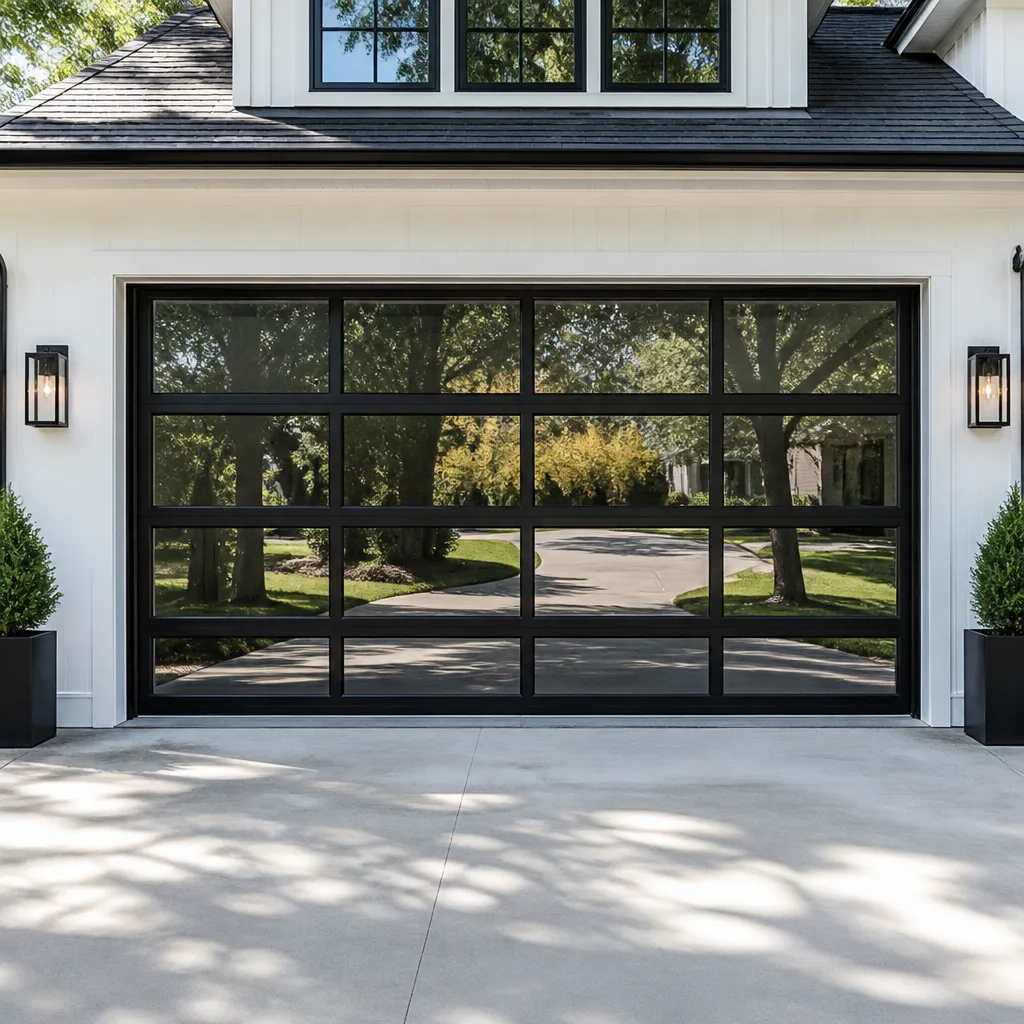 Full-view glass
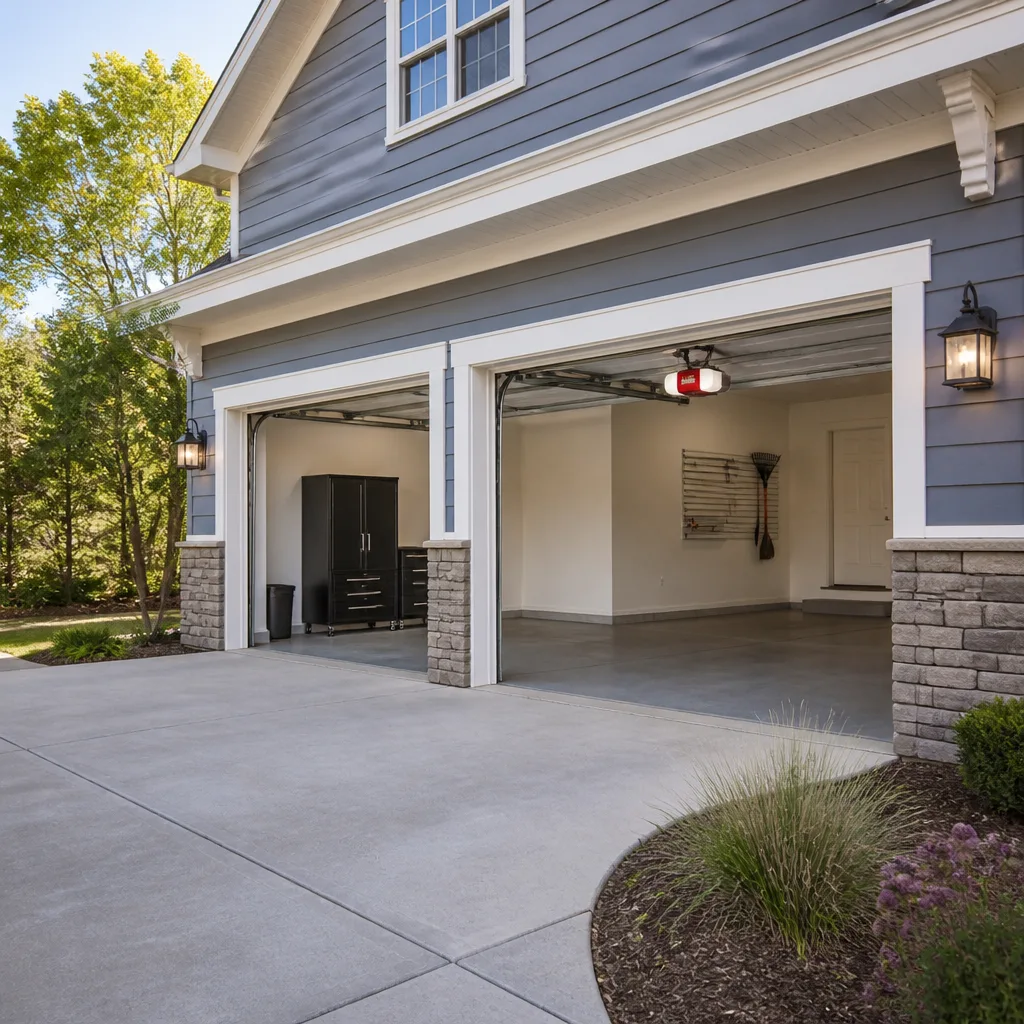 LiftMaster openers
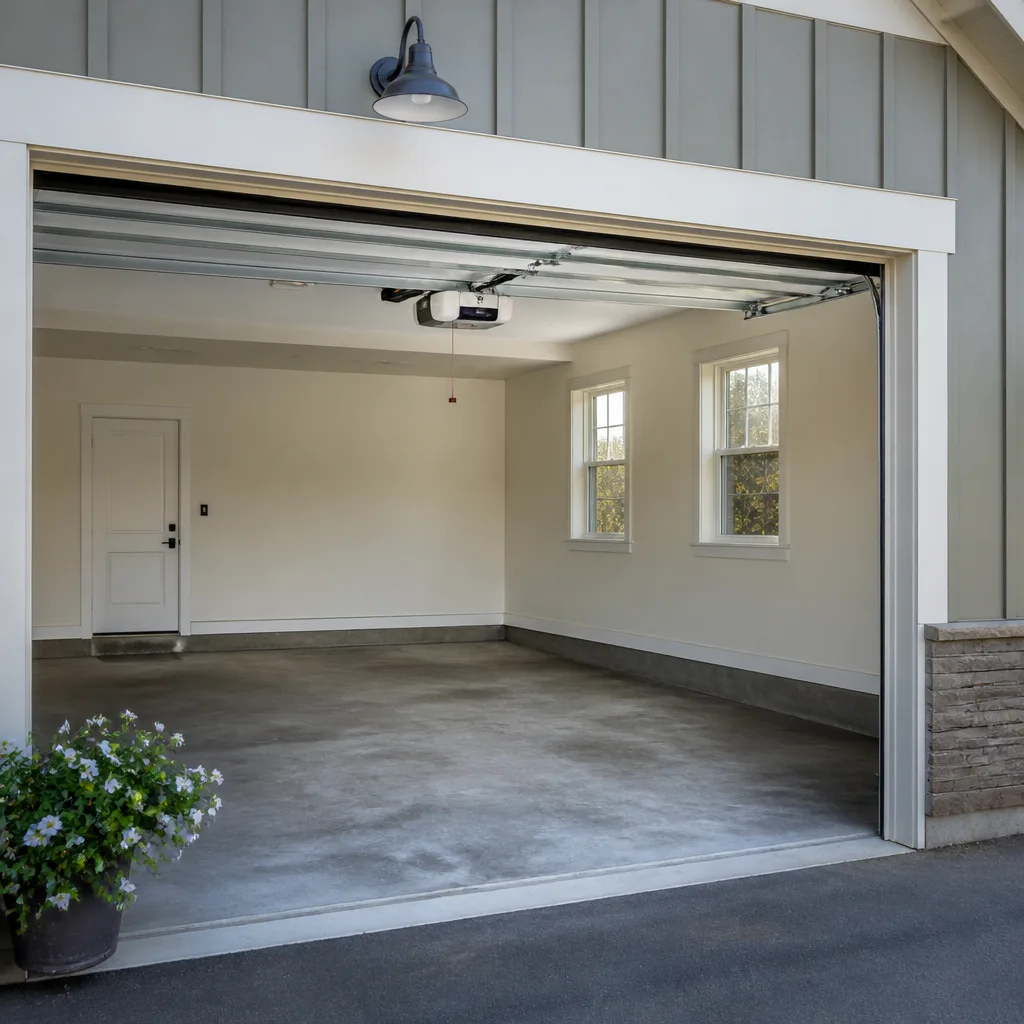 Chamberlain openers
Full 25-point door and opener safety check with every visit - springs, cables, rollers, tracks, and your LiftMaster or Chamberlain opener included
You get a price before we start. It does not change when the pro arrives.
Get your free estimateThe Complete Guide to Garage Doors in Woodridge
Most garage door guides are written for a suburban ranch in Ohio. Woodridge has row-adjacent homes, narrow driveways, and summers that warp wood and rust springs faster than most manufacturers’ warranties account for. The lot lines here are tight, the humidity runs high from June through September, and winter freeze-thaw cycles put every metal joint through dozens of expansion and contraction events before spring arrives. Generic advice written for a wide-open suburban lot simply doesn’t map onto a Woodridge street. This guide fixes that. Below you’ll find how DC-area climate actually affects material lifespan, what to check before you replace versus repair, how permitting with the DC agency that handles building permits applies to your job, and which common mistakes cost homeowners the most. If you’re comparing options or stuck with a door that won’t close, this is the map we’d hand you in person.
Quick Answer
Garage doors in Woodridge need heavy attention to moisture and temperature cycling: steel doors with proper factory finishes and insulated cores last longest in this climate, wood requires more routine upkeep than national averages suggest, and any door replacement or significant structural change should be checked against DC building permit requirements before work begins. Repair is usually the right call for springs, openers, cables, and single-panel damage; full replacement makes more sense when the door structure, tracks, and hardware are all aging together.
Styles & brands we work with
- Raised-panel steel
- Carriage house
- Modern flush
- Full-view glass
- LiftMaster openers
- Chamberlain openers
Table of Contents
- How DC-Area Humidity and Freeze-Thaw Cycles Affect Your Door
- Clearance and Headroom Realities in Older Woodridge Homes
- Which Door Styles and Materials Hold Up in the DC Metro Region
- Repair vs. Replace: How to Decide
- Coordinating With DC Permitting When You Replace vs. Repair
- Brand Availability and Service Coverage Around Woodridge
- Spring Repair: Why It’s the Highest-Risk Job on the Door
- Emergency Access: When a Door Won’t Close or Open
How DC-Area Humidity and Freeze-Thaw Cycles Affect Your Door
Woodridge sits in a summer humidity band that most garage door manufacturers do not design their homeowner literature around. Relative humidity hitting the 80s and 90s for weeks at a time pushes moisture into wood panels, swells joints, and accelerates paint failure on any door that faces afternoon sun. The freeze-thaw pattern in January and February is just as hard on metal: every night below freezing and every warm afternoon above it works the door’s joints, seals, and fasteners. A steel door made for the Midwest market may perform well there and dry out in a Woodridge garage, only to swell and stick during the first humid week of June.
The practical effects we see most often:
- Wood panels swelling so the door rubs on the jamb, which then wears the paint and lets more moisture in
- Bottom weather seals splitting early because the rubber dries out in summer and freezes in winter
- Galvanized torsion springs corroding faster in humid garages than the dry-climate national averages suggest
- Track brackets loosening as the wood or concrete they’re anchored into expands and contracts
- Openers straining in August because the door is heavier than it was in April
The takeaway isn’t that Woodridge doors fall apart faster, it’s that maintenance intervals in this climate need to be tighter than a manufacturer’s generic guideline implies. A door that gets checked once a year in a dry climate should be checked twice here. That single change is what separates a door that runs smoothly for its full service life from one that starts binding within three or four seasons.
Clearance and Headroom Realities in Older Woodridge Homes
Many garages in this part of Northeast DC were built long before modern door systems were standard. That means the headroom, side clearance, and backroom dimensions needed for a new door often have to be measured rather than assumed. A standard sectional door needs roughly 12 inches of headroom above the opening for a torsion system, and low-headroom kits exist but change the geometry of the install. Side clearance for the vertical track is typically 3.5 to 4.5 inches beyond the door width. Backroom, or how far the horizontal track extends into the ceiling space, is where older narrow garages get tight.
Before you shop for a new door, walk through this list:
- Measure the finished opening width and height, not the rough opening
- Measure headroom from the top of the opening to the nearest ceiling or obstruction
- Measure side clearance on both sides of the opening and note any door frame trim that intrudes
- Note the depth of the garage from the opening to the back wall or any structural beam
- Identify where the opener rail will hang and whether it clears any stored items
If a Woodridge garage was converted from a carriage house or built before standardized garage door sizing, the measurements often surprise homeowners. A door that seems like a standard 16-by-7 foot opening can measure 15 feet 10 inches with an irregular head jamb. In those cases, custom sizing costs more but avoids a redone frame. The measurement step is free and it saves the most money in the long run. When you’re ready to have a proper measure done, garage door installation starts with that measure and a written price before anything is ordered.
Which Door Styles and Materials Hold Up in the DC Metro Region
Steel and aluminum doors with factory-applied finishes handle this climate better than wood. The finish is the protection, and a baked-on factory finish outlasts any paint applied on site. If you want the look of wood, steel doors with a wood-grain finish give you the appearance without the maintenance interval. Amarr and Clopay both make steel doors in styles that read as traditional carriage house, which fits the look of Woodridge homes without asking you to repaint every other year.
Here’s how the main materials stack up in the DC metro pattern:
- Insulated steel: best all-around. Handles humidity, doesn’t swell, factory finish holds up for years. The insulated core also helps because a Woodridge garage that faces afternoon sun gets very hot, and an insulated door keeps that heat out of the house wall.
- Aluminum: excellent corrosion resistance, lighter, good for full-view and modern styles. Not as impact-resistant as steel, so it’s less forgiving in a tight driveway where a bumper might meet the door.
- Wood: beautiful and traditional, but demands a repaint or reseal every two to three years in this climate. If you want wood, plan the maintenance into your year, not your decade.
- Composite and vinyl: hold up well to moisture, limited style range, and finish quality varies widely by brand. Worth asking specific questions before committing.
Style matters too. Doors that face due west in Woodridge take the hottest afternoon light and age the fastest. A darker color in that orientation will show heat stress quicker than a lighter one. When we help a Woodridge homeowner pick a door, we ask which way the door faces before we ask about color.
Repair vs. Replace: How to Decide
Repair is usually the better answer when the door structure, tracks, and hardware are still sound and one component has failed: a spring, an opener, a single panel, a roller, or a cable. Replacement makes sense when multiple systems are aging together and repair costs on the next failure will approach installation costs on a new door. The breaking point in our experience comes when a Woodridge door is showing corrosion on the bottom section, sagging tracks, worn hinges, and an opener that’s already strained.
A simple decision path:
- Is the door itself sagging, rusted through the bottom panel, or damaged in multiple places? If yes, replacement is worth pricing.
- Is it one spring, one opener, one roller, or one track that’s the problem? If yes, repair is usually the better call.
- Does the door still balance when you disconnect the opener and lift it halfway? If it drifts down or up, the springs and cables need attention before anything else.
- Are the tracks straight and parallel? Bent tracks force replacement, but only the track, not the whole door.
- Is the opener more than roughly a decade old, and has it been repaired before? A second failure on the same unit usually tips toward replacement.
We recommend getting both a repair number and a replacement number before you commit if you’re on the fence. That comparison, in writing, is the most useful piece of information a Woodridge homeowner can hold when a door starts acting up. Our garage door repair consultations include that comparison at no charge.
Coordinating With DC Permitting When You Replace vs. Repair
Permit rules vary by jurisdiction and by how much of the structure is changing. A straight repair, swapping a spring or an opener, typically doesn’t need a permit. A like-for-like door replacement in the same opening, same size, same header, is often permitted as a minor alteration but the answer depends on the specific job and the current rules at the DC agency responsible for building permits. If the opener or door requires new electrical work, or if the opening size changes, the permit question gets more involved.
How to handle it without guessing:
- Call the DC agency that issues building permits for your address before work is scheduled and describe the exact scope: whether the opening size, header, or electrical is changing.
- Ask whether the scope counts as repair, alteration, or replacement in their system. Those three words carry different requirements.
- Get the answer in writing if you can, and keep it with your job paperwork.
- If a permit is required, ask whether the installer needs to be licensed in the District to pull it. That’s often the deciding factor in who you can hire.
We tell every Woodridge homeowner the same thing: ask the city directly, because we can’t guarantee what a code update or a permit submittal review will require on any given day. What we can do is walk you through the scope so you know exactly what to ask about, and we install to the dimensions and specifications on the approved plan. For a door or opener repair where no structural change is involved, garage door opener repair is typically straightforward and permit-exempt. When you’re not sure, call and describe the job first.
Brand Availability and Service Coverage Around Woodridge
Not every brand travels equally well in the DC metro. Some are stocked by national big-box retailers with limited service follow-through, others are sold through independent dealers who may not travel into Northeast DC for a service call. Our technicians are Certified to service eight industry-leading brands: LiftMaster, Chamberlain, Genie, Clopay, Amarr, Wayne Dalton, Craftsman, and Raynor. That means we can diagnose what brand is on your door and know the parts paths for it, rather than calling a manufacturer’s help line and waiting a week for a callback.
In practice, Woodridge homeowners tend to see a mix of brand patterns:
- LiftMaster and Chamberlain openers dominate on newer installs; both share a platform, which makes diagnostics fast and parts common.
- Genie openers are common on older homes, and their parts are still widely supported.
- Craftsman openers show up on a lot of doors that were installed during big-box remodels, and they use their own accessory ecosystem.
- Clopay and Amarr cover most of the steel door replacement market locally, with strong dealer support around the metro.
- Wayne Dalton shows up in older subdivisions and mid-century stock, and their torsion systems need to be matched carefully when replacing parts.
- Raynor appears less often, but we still service it when it shows up.
Because we work on your brand specifically, the diagnosis is faster and the parts knowledge is deeper than a general handyman can offer. That’s not a sales line; it’s the practical reason a Woodridge customer calls us instead of a generalist. When you’re comparing quotes, ask what brands the contractor actually works on and how they source parts for the brand on your door. If the answer is “we’ll figure it out,” that’s your answer.
Spring Repair: Why It’s the Highest-Risk Job on the Door
A torsion spring stores enough energy to lift the entire weight of the door, and when it’s under tension or mid-failure it can cause serious injury. This is the one component on a garage door where we recommend against any do-it-yourself work. The risks include a sudden release of stored energy, a door that drops, and injuries from tools or cables under load. The safe path is to leave the door closed, keep people and vehicles clear, and call a trained professional.
What you can check safely as a homeowner:
- Listen for a loud snap from the garage, which usually means a spring has broken
- Look at the springs (without touching them) for a visible gap in the coil
- Note whether the door feels extremely heavy when you lift it by hand with the opener disconnected
- Check whether the door will only open a few inches before stopping, which often points to a broken spring or a cable off the drum
Spring pricing is per spring. A matched pair is usually replaced together at roughly twice the individual cost, because a new spring next to an aged one creates an unbalanced door and each will wear the other out. We quote the pair as a pair so there are no surprises. Spring repair is a named specialty for us because it’s the highest-skill, highest-risk repair on the door, and doing it wrong is dangerous and expensive in equal measure. For any repair or full replacement, the written quote is the price: we agree on it before any work starts, and it doesn’t change after the fact.
Emergency Access: When a Door Won’t Close or Open
An emergency happens on the homeowner’s schedule, not the contractor’s. A door that won’t close leaves the garage, and often the house, exposed overnight. A door that won’t open on a workday morning strands the car and stalls the day. These are the calls we’re set up for, and emergency garage door service is a core offering for us, not something we add on when a normal repair schedule has room. If the door won’t close because a spring failed or a cable came off the drum, the safest move is to leave it alone rather than force it, and clear anything breakable from the path.
What to do first when the door won’t close or open:
- Check the wall control or remote: is it a dead battery, a tripped breaker, or a lockout on a keypad?
- Look at the safety sensors (the small lenses near the floor on each side of the opening). A misaligned sensor or a blocked path will keep the door from closing.
- Look for an obstruction in the track or a visible broken spring or slack cable. Do not touch anything under tension.
- If both springs look intact and the sensors are clear, pull the emergency release only if you can safely lift the door by hand. If it’s too heavy, stop and call.
For a door that won’t secure, we can talk through the safest temporary option on the phone while we book the repair. For a workday-morning dead opener, we can often get a technician out the same day. Our technicians have up to 15 years of experience, and the local pro who arrives is state-licensed and insured as the District requires. Call (844) 443-4173 for a free estimate.
Common Mistakes to Avoid
- Assuming a general handyman can handle spring work. A torsion spring carries enough stored energy to seriously injure someone. That’s not a job for a generalist, and it’s not a job for a homeowner with a YouTube tutorial. We’ve seen too many doors end up worse because of an unsafe attempt.
- Buying a door without measuring headroom and backroom first. A Woodridge garage built before standardized door sizing will surprise you on the install day if the tape measure doesn’t come out first. Measure the finished opening, headroom, side clearance, and rear clearance before shopping.
- Replacing only one spring of a pair. Mixing a new spring with an aged one shortens the life of both. A matched pair is replaced together because the door balances on the pair, not on one of them.
- Picking a door for its color before its orientation. A darker door facing due west in summer heat will age faster than the same door facing north. Choose the finish based on orientation and maintenance will drop.
- Skipping the permit question when the opening changes. A like-for-like replacement is often a simpler permit category than a change in opening size or header. Ask the DC agency that handles building permits before work is scheduled, and get the answer in writing.
- Ignoring the opener when replacing the door. A new heavier door on an old strained opener will fail within a season or two. If the door is being replaced, have the opener evaluated in the same visit.
- Not getting a repair quote and a replacement quote together. A door that’s on the fence between repair and replace is impossible to decide on with half the information. Get both numbers in writing and compare.
See the difference
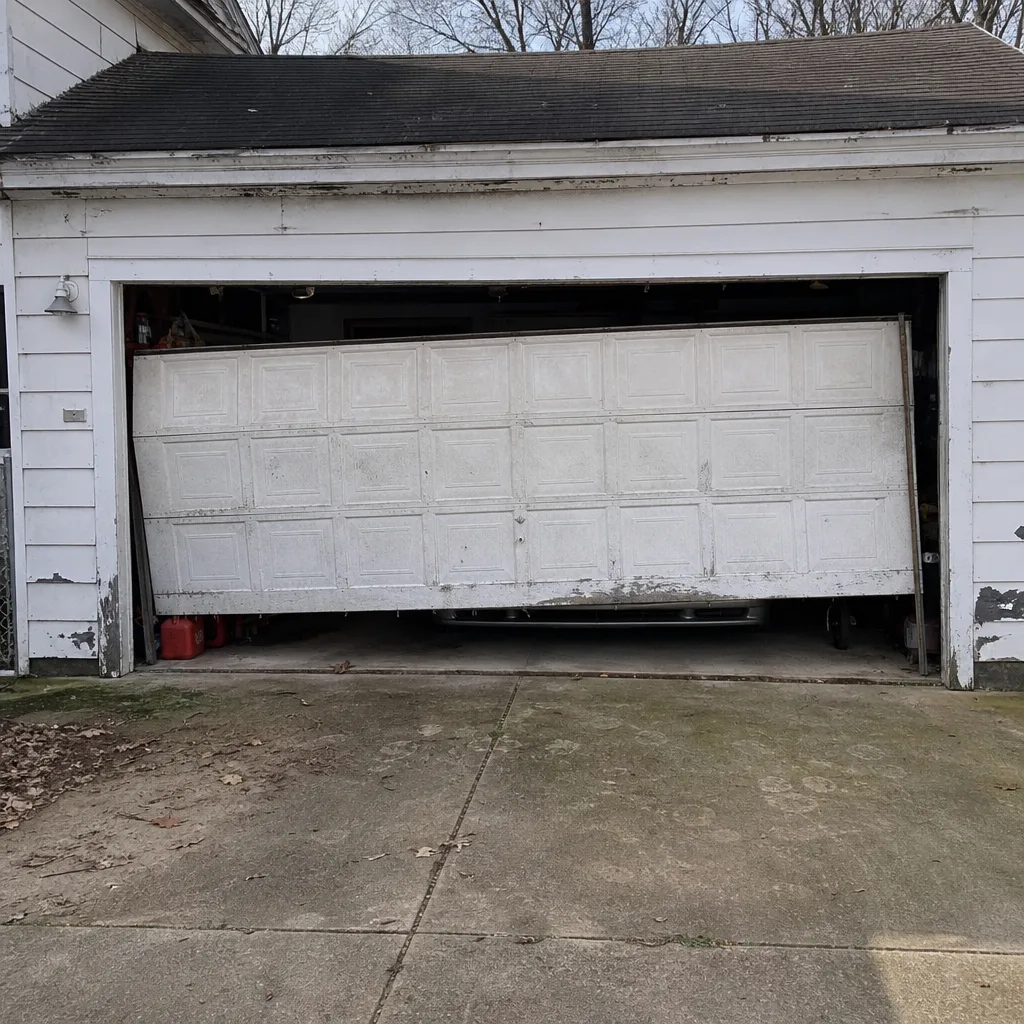 Before
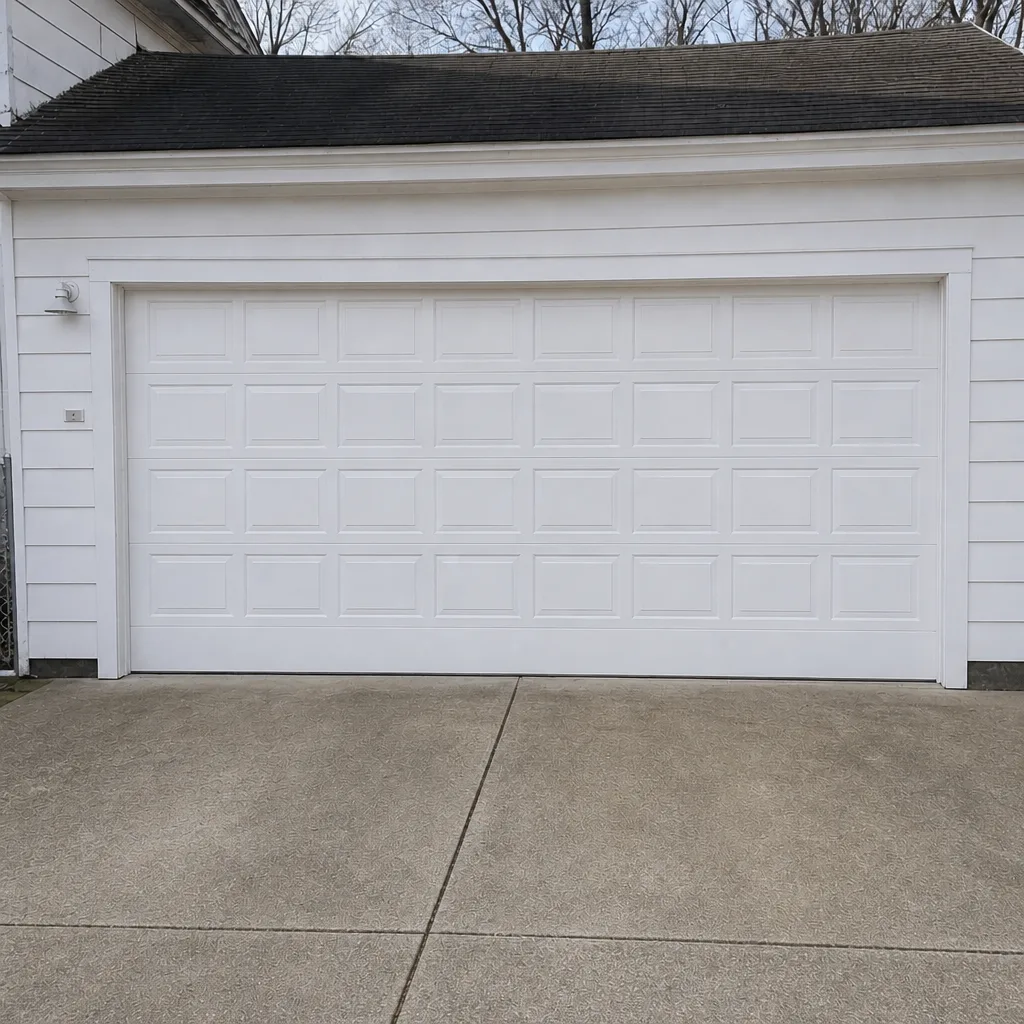 After
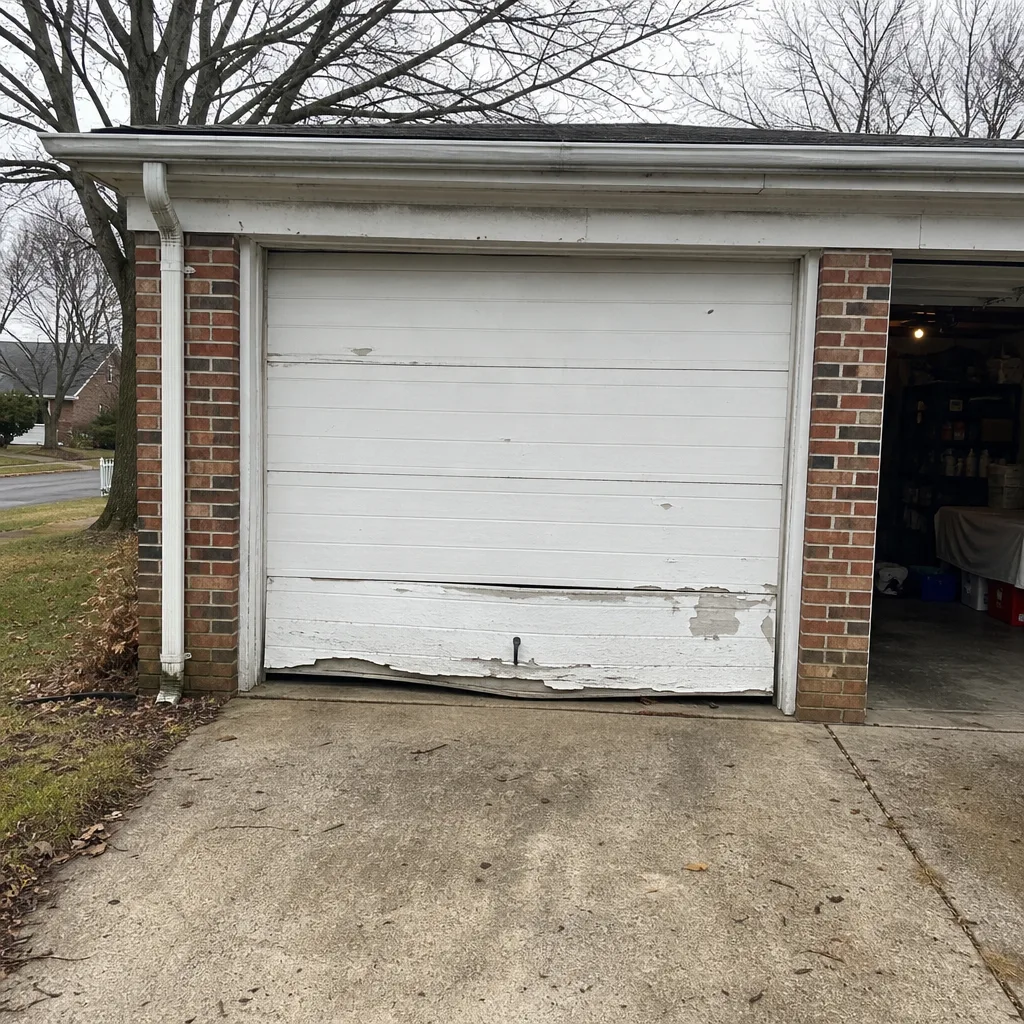 Before
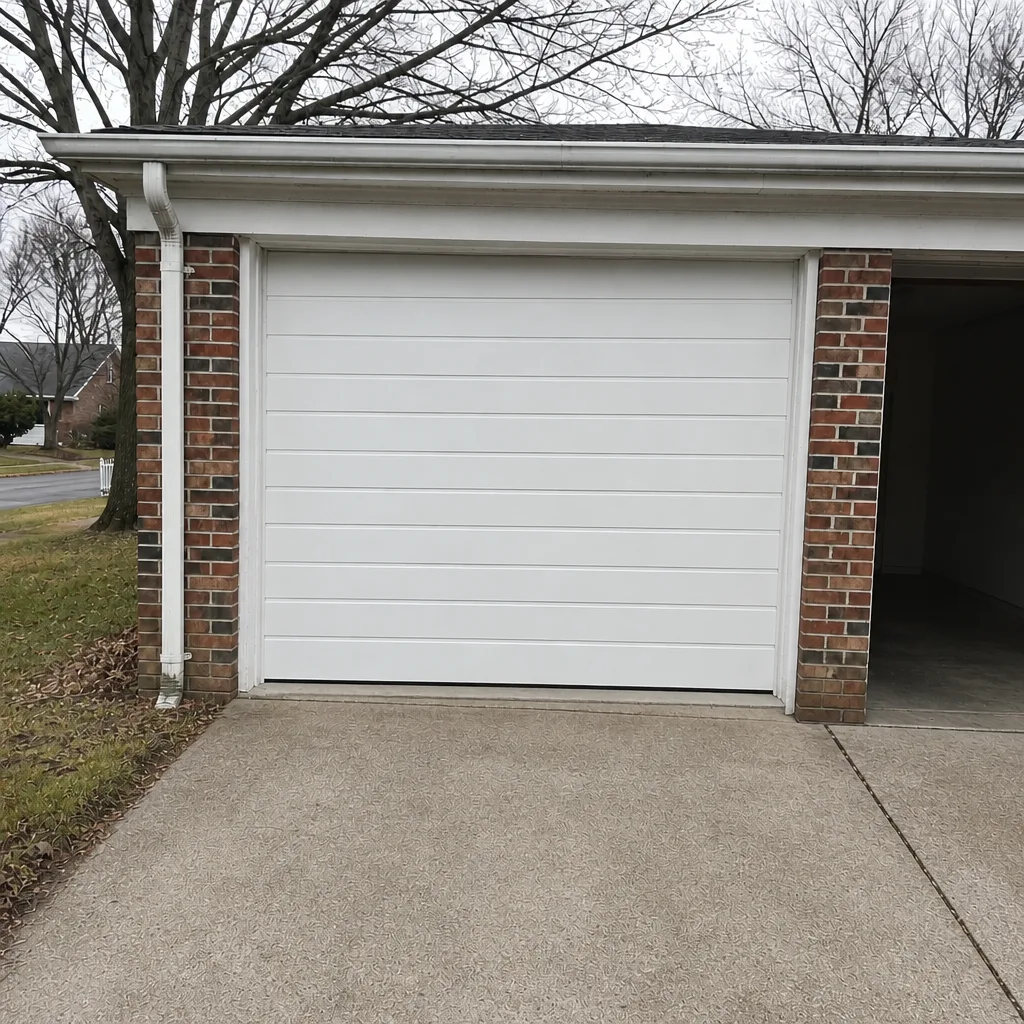 After
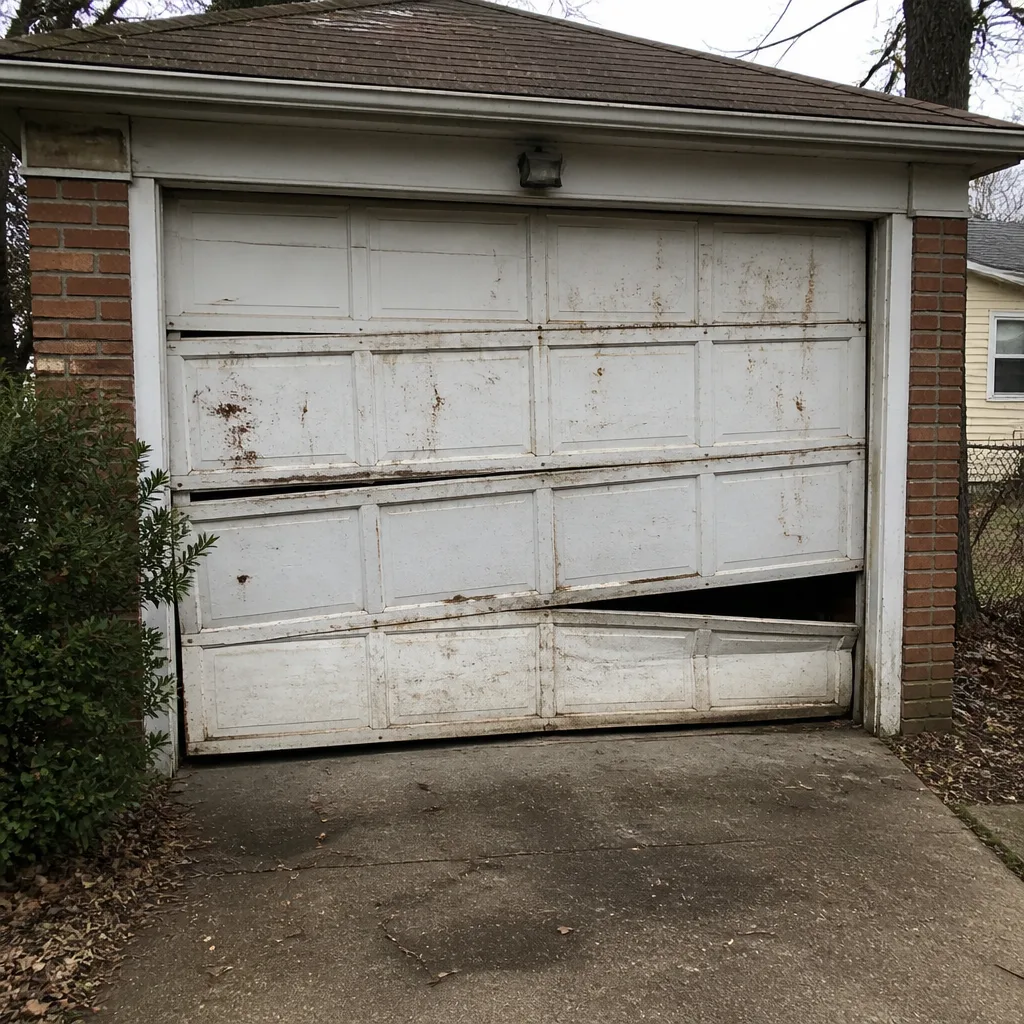 Before
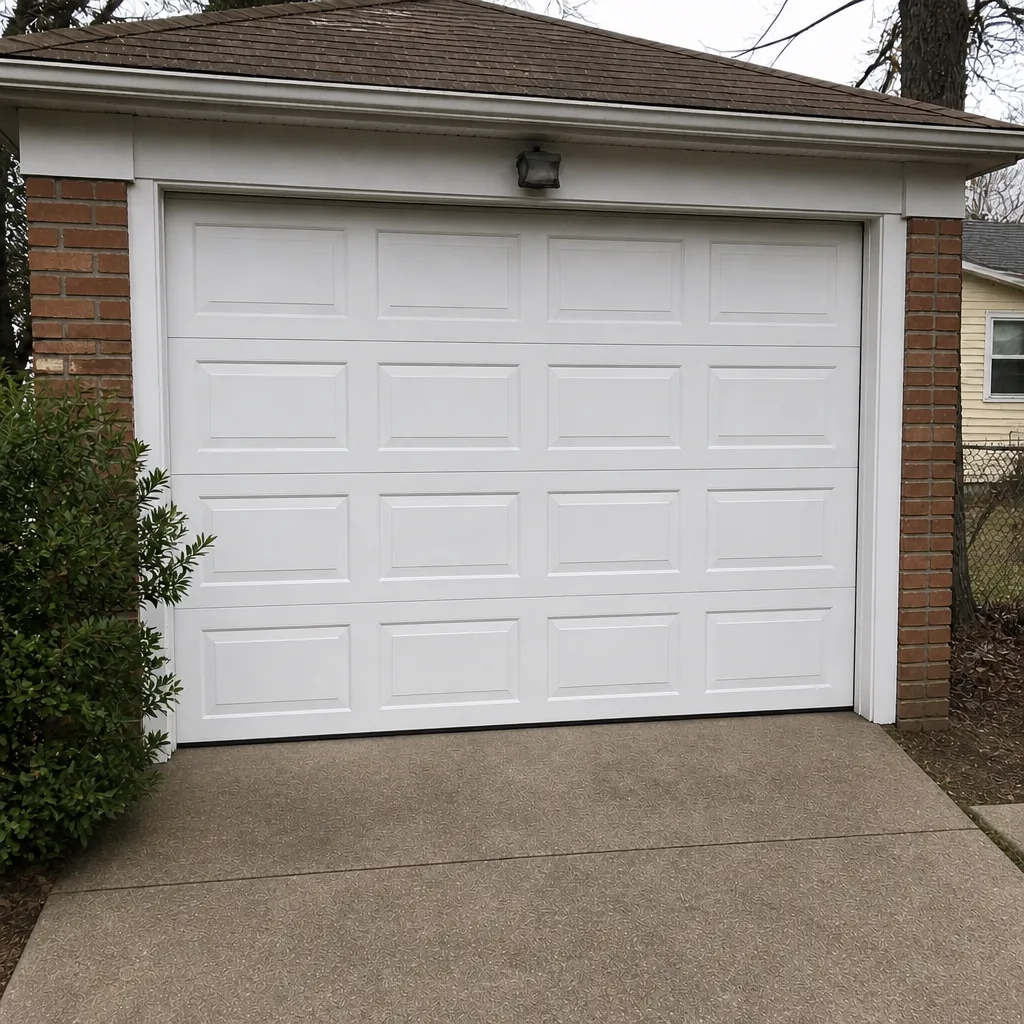 After
When to Call a Professional
Call a professional when a spring has snapped or looks visibly broken, when the door won’t balance or stays put in only one position, when a cable has come off the drum, when an opener is straining or reversing without an obstruction, or when a door won’t close or secure at night. Also call when it’s time to replace a door and you want the measurements, brand options, and permit scope evaluated together rather than piecemeal. Garage Door Repair Woodridge offers free estimates in Woodridge. Call (844) 443-4173 and we’ll walk through the job, put the price in writing, and confirm it with you before any work starts. If the door is unsafe to use, we’ll say so on the call and get a technician out to make it safe first. Full-spectrum repair, from opener to panel to a complete new door, all reaches the same number.
Frequently Asked Questions
Most repairs fall into a wide typical range depending on what’s wrong: opener repairs, roller and track fixes, and cable work generally cost less than a full spring replacement, and a spring replacement is priced per spring, so a matched pair is replaced together at roughly twice the individual figure. The written estimate sets the final price, we agree it with you before any work starts, and there’s no charge to get the number. Call (844) 443-4173 for an exact quote; estimates are free.
Often yes. Emergency garage door service is a core offering, not an upsell, and same-day response is normal for a door that won’t secure or an opener that won’t turn over on a workday morning. The local pro is licensed and insured as the District requires. Call (844) 443-4173 and describe the door’s behavior; a technician will be scheduled as fast as the day allows.
No. We quote the price in writing and agree it with you before any work starts, and the number on the written estimate is the price. If the door turns out to need something not covered by the quote, we stop, explain, and re-quote before proceeding rather than doing the work and billing after. That’s the whole point of a written estimate.
It depends on the scope. A like-for-like replacement in the same opening is often a straightforward permit situation, while a change in opening size or header usually requires more. Call the DC agency responsible for building permits for your specific address and describe the exact job: repair, alteration, or replacement carry different requirements, and the answer should come from the city in writing before work is scheduled.
Insulated steel with a factory-applied finish holds up best in the DC metro pattern, because it doesn’t swell in summer humidity and the finish outlasts any on-site paint. Wood is still a good option if you’re willing to check and reseal it more often than national averages suggest. Amarr and Clopay both make steel doors that read as traditional, which fits most Woodridge homes without asking for a full repaint every other year.
Yes. We connect you with independent local professionals, and the local pro who performs the work is licensed and insured as their state requires. Our technicians have up to 15 years of experience, and we work on every major brand on your door: LiftMaster, Chamberlain, Genie, Clopay, Amarr, Wayne Dalton, Craftsman, and Raynor. Call (844) 443-4173 for a free estimate.
The Bottom Line
Garage doors in Woodridge live in a harder climate than most manufacturer guidelines assume. Humidity runs high for months, freeze-thaw cycles work every joint in the door, and older properties often have clearance dimensions that were never designed for a modern sectional door. Steel with a factory finish is the lowest-maintenance choice, wood needs more attention than a national average suggests, and the front-facing question at every decision point is the same: repair the sound door or replace the aging one. Measure before you shop, ask the city about permits in writing, use the written estimate as the price, and never touch a torsion spring under tension. The full scope, from opener to panel to complete install, reaches the same place. For any repair, opener, spring, or new door, call (844) 443-4173 for a free estimate.
Written by the team at Garage Door Repair Woodridge.