Last updated November 21, 2026
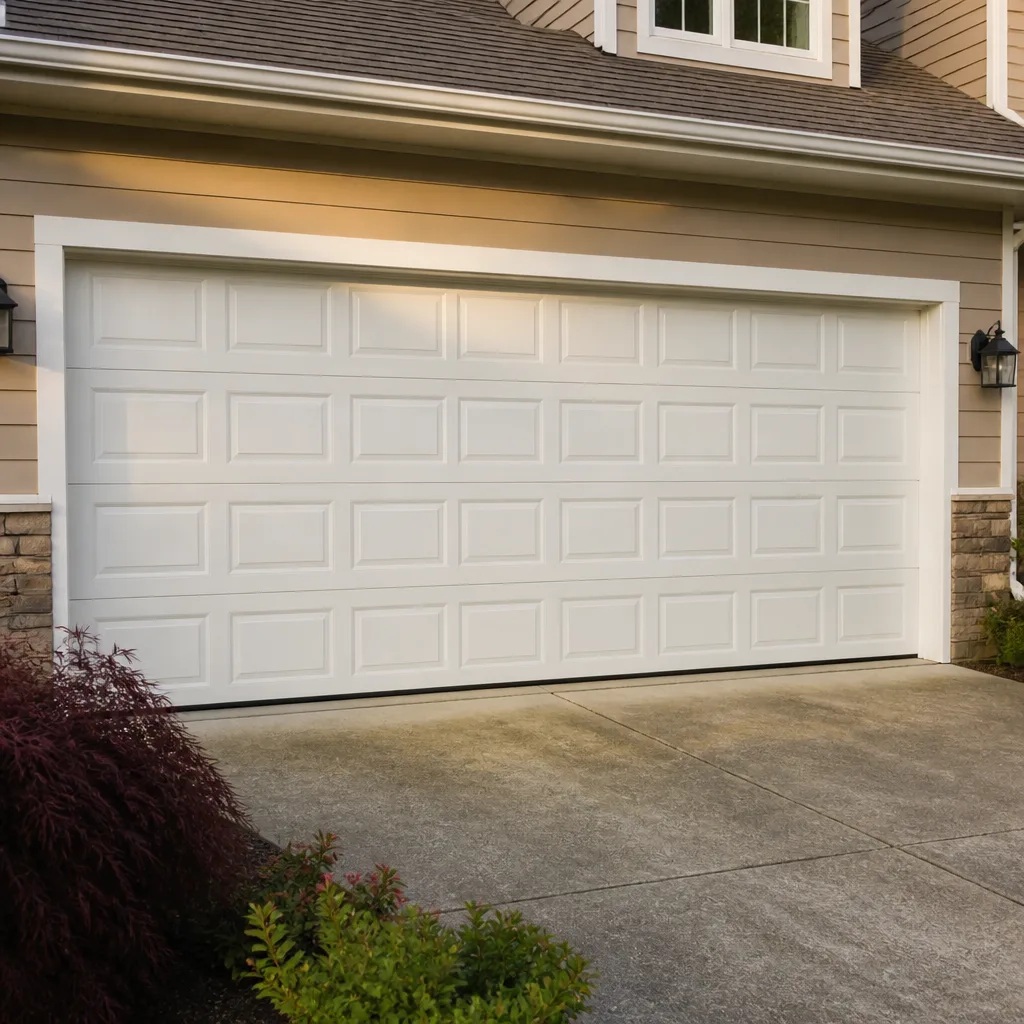 Raised-panel steel
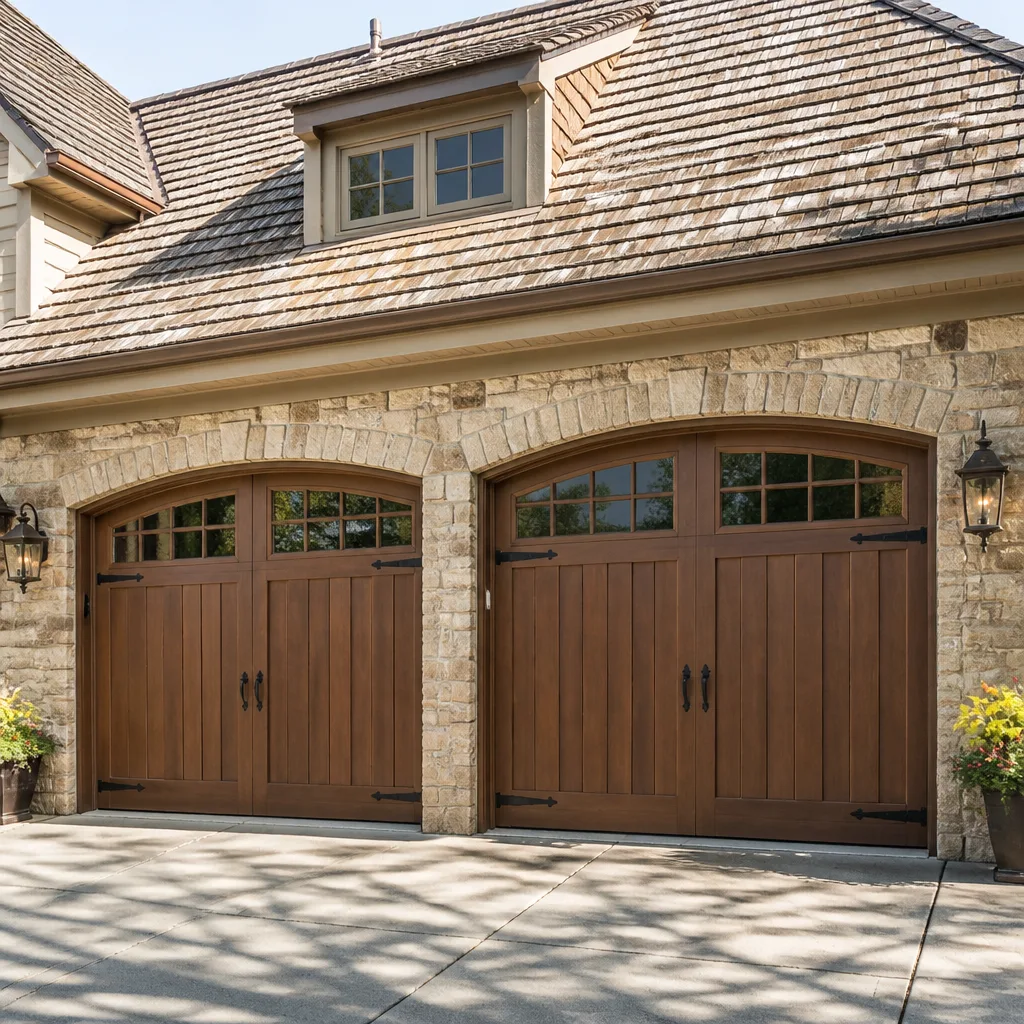 Carriage house
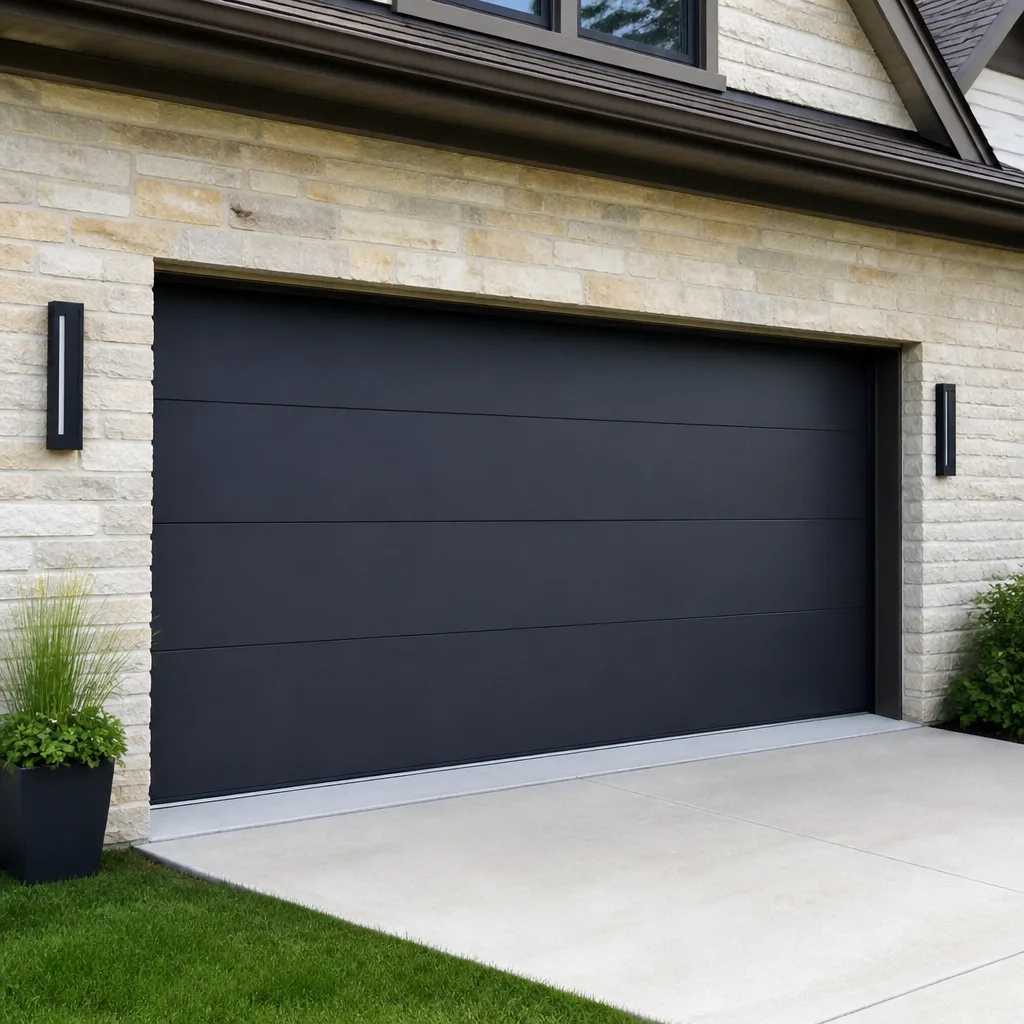 Modern flush
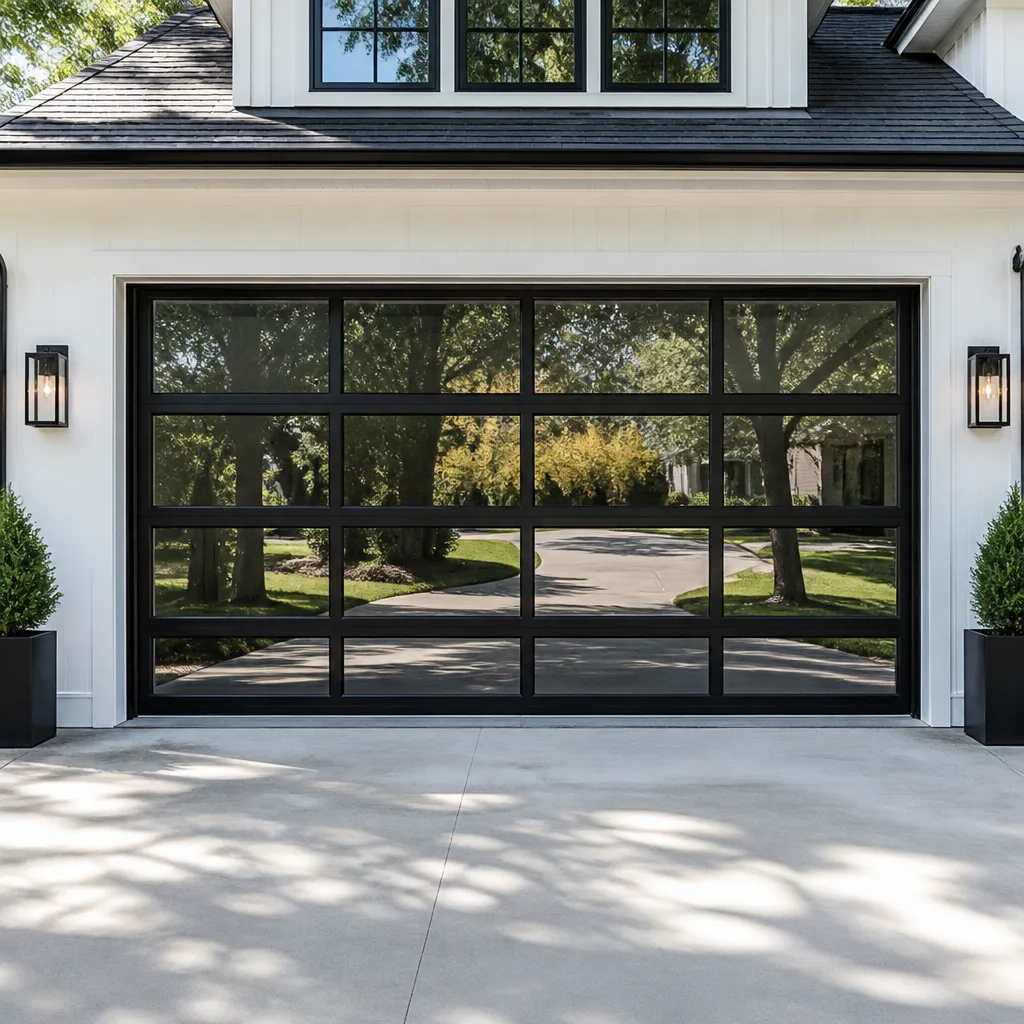 Full-view glass
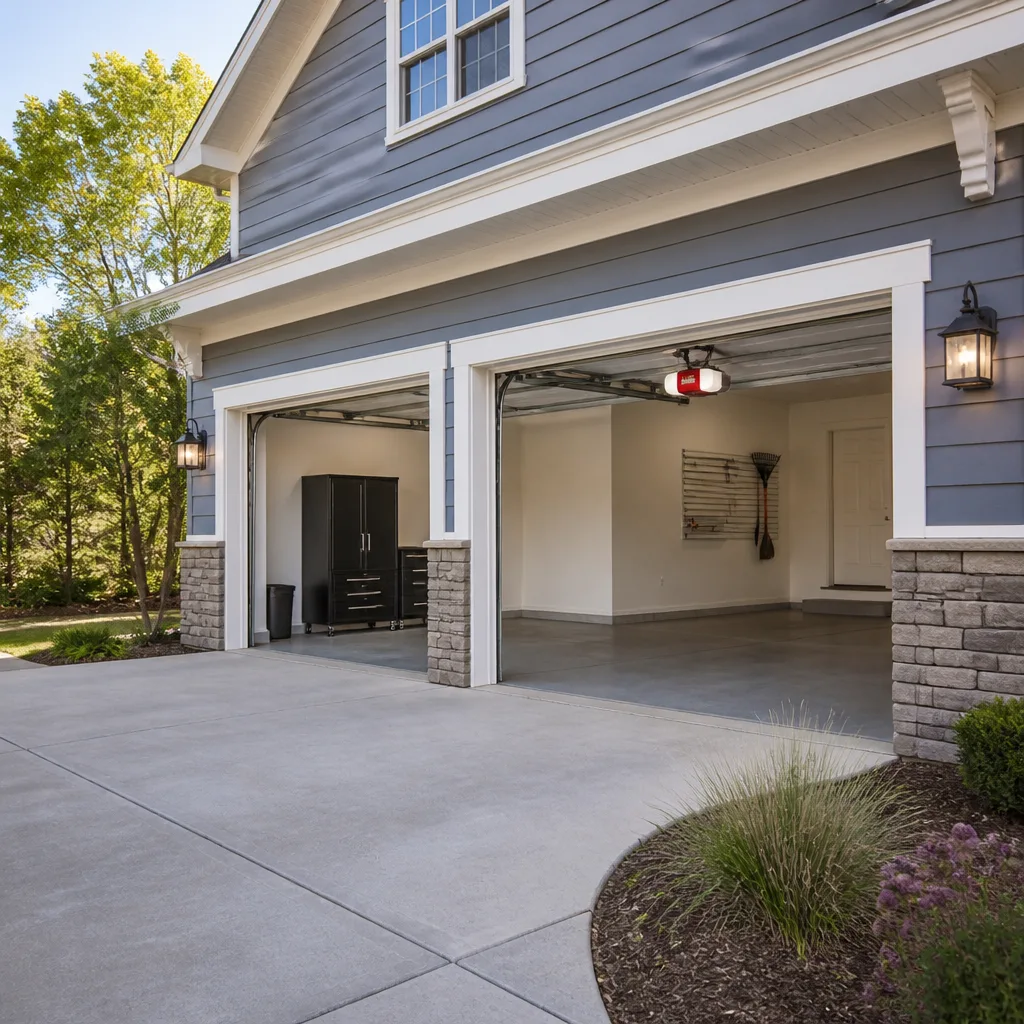 LiftMaster openers
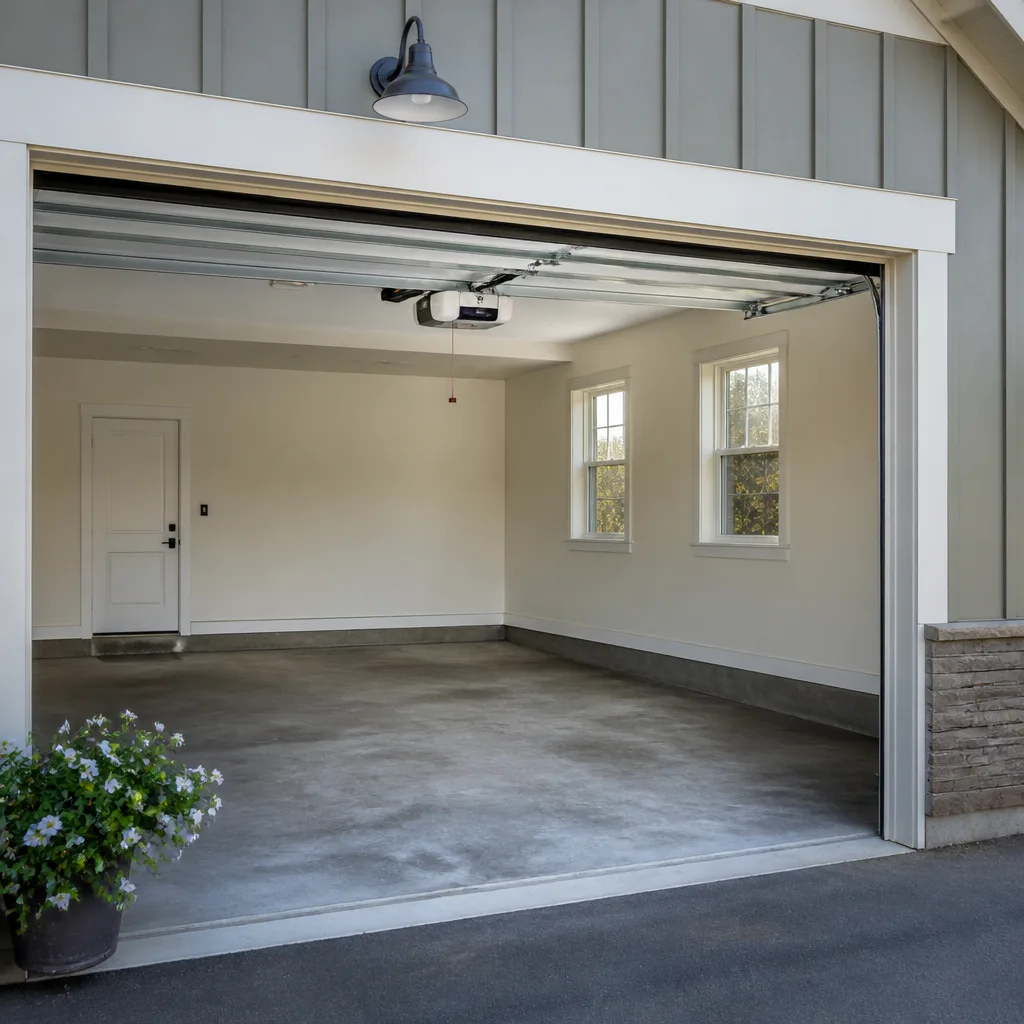 Chamberlain openers
Full 25-point door and opener safety check with every visit - springs, cables, rollers, tracks, and your LiftMaster or Chamberlain opener included
You get a price before we start. It does not change when the pro arrives.
Get your free estimateGarage Door Repair Troubleshooting in Woodridge: Common Problems and How to Fix Them
A noisy garage door and a door that won’t close usually feel like two completely different problems. They often trace back to the same six root causes, and the difference between a cheap fix and an expensive one is diagnosing the right one first. Most homeowners in Woodridge start with the symptom they can see or hear – the rattle, the gap, the flashing light – and buy a part for that symptom. A week later the door still misbehaves, and now they’ve spent money on a fix that didn’t touch the real issue. This guide works through the garage door as a system: springs, cables, tracks, rollers, opener, and sensors, in that order of likelihood. You’ll learn how to tell a mechanical failure from an electrical one before you touch anything, which faults you can safely check yourself, and which ones carry an injury risk that makes a professional the only sensible call in Woodridge.
Quick Answer
Most garage door problems in Woodridge come from one of six components: a broken or worn torsion spring, a loose or frayed cable, a bent track, worn rollers, a failing opener, or misaligned safety sensors. Start with the springs and cables, because they cause the majority of “door won’t lift” and “door slams down” complaints. If the door is heavy, uneven, or the spring looks separated, stop testing and call a specialist – high-tension springs can cause serious injury.
Styles & brands we work with
- Raised-panel steel
- Carriage house
- Modern flush
- Full-view glass
- LiftMaster openers
- Chamberlain openers
Table of Contents
- Why You Should Diagnose the System, Not the Symptom
- How to Tell a Mechanical Problem From an Electrical One
- Springs: The Most Common Cause of a Door That Won’t Lift
- Cables, Tracks, and Rollers: The Mechanical Chain
- Opener Faults and What Blink Codes Are Telling You
- Safety Sensors and Doors That Reverse or Won’t Close
- Which Repairs Are DIY-Safe and Which Aren’t
- When a Quick Fix Creates a Bigger Repair
Why You Should Diagnose the System, Not the Symptom
A garage door is a balance of forces, not a collection of independent parts. The torsion spring carries the door’s weight, the cables transfer that lift to the bottom corners, the tracks guide the panels, and the opener only supplies a small push to start the motion. When one part drifts out of spec, it puts extra load on the next one down the line. That’s why a squealing door can trace back to a worn roller that’s slowly pulling a track out of alignment, and why “the opener is broken” is often really a spring that’s lost tension and left the motor straining against dead weight.
In Woodridge, we see this pattern a lot in older homes where the original door hardware has been adjusted piecemeal over the years. Each fix treated a symptom. Nobody rebalanced the whole system, so the wear keeps migrating to whatever part is weakest next.
The component-first approach means you check each link in the chain in order, starting where failures are most common and moving toward the least likely. It costs you ten minutes and saves you from buying the wrong part.
- Springs – carry the door’s weight; the single most common failure point.
- Cables – transfer lift to the door; fail under load when springs go.
- Tracks – guide the panels; bend from impact or loose fasteners.
- Rollers – ride in the tracks; wear and flat-spot over time.
- Opener – pushes the door; struggles when the door is out of balance.
- Sensors – tell the opener the path is clear; the usual cause of a door that won’t close.
Work down that list and you’ll usually find your fault before you reach the sensors. If you’d rather skip the diagnosis and let a specialist confirm it, our garage door repair Woodridge service starts with exactly this checklist.
How to Tell a Mechanical Problem From an Electrical One
The fastest way to sort this out safely is to pull the opener’s manual release and try lifting the door by hand. With the opener disconnected, the door should rise smoothly with modest effort and stay put when you let go halfway up. If it’s heavy, jerky, or slams down, the problem is mechanical and the opener is innocent. If the door glides easily by hand but the opener won’t move it, you’re looking at an electrical or opener fault.
That single test tells you which half of the system to investigate. Here’s how to run a safe check:
- Close the door fully and confirm nothing is in the doorway.
- Pull the red manual release handle to disconnect the opener carriage from the door.
- Lift the door by hand to about waist height, then to shoulder height, feeling for roughness or excess weight.
- Let go halfway up. A healthy door holds its position; a failing spring lets it drop.
- Reconnect the carriage and test the opener only after you know the door moves freely.
Two things to keep out of this test: don’t put your hands anywhere near the springs or cables while lifting, and don’t force a door that won’t move by hand. A stiff door is giving you information, and pushing through it can snap a weakened cable. If the door feels heavy or the spring looks broken, that’s your answer – skip the electrical side and move straight to the spring section below, or call us for garage door repair and let a technician confirm it.
Springs: The Most Common Cause of a Door That Won’t Lift
If your door won’t lift, feels extremely heavy, or you heard a loud bang from the garage, the spring is the first thing to check. Torsion springs (mounted on a bar above the door) and extension springs (running along the sides) both do the same job: they counterbalance the door’s weight so the opener only has to nudge it. When a spring breaks, that counterbalance disappears and the full weight of the door comes down on the opener and cables. The loud report people describe is the sound of stored tension releasing.
You can often confirm a broken torsion spring by looking – there will be a visible gap in the coil – but don’t touch it or try to wind it. This is the highest-risk repair in the trade, and it’s the one place where a confident homeowner is most likely to get hurt. Look, don’t touch. Spring work is a job for someone who does it every week.
What spring repair typically costs
Prices vary by door size and spring type, so treat these as typical estimates for the area, not a quote. One spring replacement usually runs in a moderate range; a matched pair, which is normally replaced together for balance, costs about twice that. The written estimate you get on-site sets the final price, and we quote and agree it before any work begins.
- Single torsion spring replacement – a moderate range, and the spring is replaced as one unit.
- Matched pair – roughly double a single spring, since both are replaced for even lift.
- Extension spring pair – priced per pair, similar ballpark to a torsion pair.
- Spring plus cable – the cable is often strained when a spring lets go, so it’s quoted alongside.
We treat spring repair as a specialty for a reason: it needs the right winding bars, correct cycle rating, and a proper balance test once it’s on. If your spring is broken, call (844) 443-4173 for a free estimate – it’s the repair we’d most want a professional to handle.
Cables, Tracks, and Rollers: The Mechanical Chain
Past the springs, the mechanical chain runs through cables, tracks, and rollers, and faults here tend to show up as noise, uneven travel, or a door that drifts to one side. A frayed or slack cable is a serious warning sign – it’s under high tension and can whip if it fails – so check it by eye only, from a distance. Bent tracks usually come from a bump, a misjudged backing-out, or a loose fastener that let the track shift.
Rollers are the quiet workhorses. Metal rollers get noisy as they dry out; nylon rollers wear flatter and smoother but can crack with age. Both cause the grinding, squealing, or rattling that sends people looking for a can of lubricant.
Here’s how the mechanical chain usually presents:
- Frayed or drooping cable – replace, don’t adjust; a compromised cable is a safety issue.
- Door binds at one height – a track is out of alignment or a roller is seized.
- Grinding or squealing – dry or flat-spotted rollers, often both.
- Door drifts sideways as it rises – uneven cable tension or a bent track section.
- Loud rattle over every bump – loose hinge fasteners and worn rollers.
Woodridge’s seasonal temperature swings are hard on door hardware. Cold contracts metal and stiffens lubricant; warm spells let things loosen again. That cycle works fasteners loose over the years and is one reason a door that ran quietly last season starts complaining this one. If a track looks bent or a cable looks frayed, that’s the point to bring in a specialist rather than straighten or re-tension it yourself. When the mechanical chain needs more than a tweak, our garage door installation team can tell you whether repair or replacement is the better call.
Opener Faults and What Blink Codes Are Telling You
When the door moves freely by hand but the opener won’t drive it, the opener is the suspect, and the machine will usually tell you why if you know where to look. Modern openers use blink codes – a pattern of LED flashes on the motor unit – to report specific faults. The trick is that different brands flash differently, so a code that means “safety sensor blocked” on one unit can mean something else on another. Learning your brand’s code chart is the single fastest opener diagnostic you can do.
In our experience, brand quirks matter here. A LiftMaster or Chamberlain unit (they share a platform) typically flashes a set number of times with a pause, then repeats – the count maps to a fault category like sensor obstruction or a travel-limit issue. Genie units often use a diagnostic LED alongside a wall-control indicator, and the combination points to the fault. When you know the platform, you read the code in seconds instead of replacing parts by guesswork. It’s the kind of familiarity we build by servicing LiftMaster, Chamberlain, Genie, Clopay, Amarr, Wayne Dalton, Craftsman, and Raynor equipment as a matter of routine.
Before you chase a code, rule out the simple stuff:
- Check the wall control and any remote for a dead battery or a stuck button.
- Confirm the opener has power at the outlet (a tripped breaker is common after a storm).
- Look at the safety sensors for an obstruction, misalignment, or a dirty lens.
- Note the blink pattern, then check your brand’s chart.
- Pull the manual release and confirm the door moves freely – if not, it’s mechanical, not the opener.
If the opener is old, noisy, or cycling the door unevenly, repair may not be the best money. Our garage door opener repair service covers everything from a single sensor to a full motor swap, and we’ll tell you honestly when replacement makes more sense.
Safety Sensors and Doors That Reverse or Won’t Close
A door that closes partway and then reverses, or refuses to close at all, is almost always a safety sensor problem. The two sensors sit at the bottom of the tracks, one on each side, and they shoot an invisible beam across the doorway. If anything interrupts that beam – a misaligned lens, dust, a spider web, a stored broom leaning into the path, or sunlight hitting the receiver – the opener reads it as an obstruction and reverses the door for safety. That behavior is the system working as designed, not failing.
Sensor issues are usually the safest fault to troubleshoot yourself. You can wipe the lenses, check that both sensors face each other squarely, and confirm the indicator lights on each are steady (a working pair shows a solid light on the sending and receiving units). Then test by closing the door and watching for smooth travel. In Woodridge, low winter sun and long summer shadows can trip a sensor that’s aimed slightly off, so a small alignment adjustment often clears a problem that looks like a mystery.
If the lights stay dark or flicker even with a clean, aligned pair, the sensor or its wiring needs replacing – and that’s a good point to hand off. Beyond sensors, the other reverse-and-stop culprits are a misadjusted travel limit (the door thinks it’s hit the floor early) or a force setting that’s too low. Those live inside the opener and are best set by someone who does it regularly. For a door that won’t close and secure, call (844) 443-4173 – that’s the kind of problem we’d rather see fixed today.
Which Repairs Are DIY-Safe and Which Aren’t
The line between a safe DIY check and a job for a specialist is not about how hard the repair looks. It’s about how much stored force is involved. Springs and cables hold the door’s full weight under tension, and a mistake there can cause serious injury in an instant. Everything else – sensors, rollers, lubrication, remote batteries, visual checks – is fair game for a careful homeowner.
Here’s the split, plainly:
- DIY-safe: wiping and aligning safety sensors, replacing remote batteries, lubricating rollers and hinges, tightening a loose bolt on a track bracket, clearing obstructions, checking a breaker.
- Look but don’t touch: frayed cables, a visible gap in a torsion spring, a track that’s clearly bent, a roller that’s cracked. Inspect from a distance and call.
- Professional only: winding or replacing springs, replacing cables, straightening or realigning tracks under load, adjusting opener travel and force limits, swapping an opener motor.
If you take one rule from this guide, make it this: the spring and cables are where confidence gets people hurt. A trained technician wears the right tools and knows the winding sequence, and that’s why spring work is a specialist job, not a weekend project. For anything on the professional side, our team works on every major brand and covers the full scope – from a single part to a complete system. Our technicians have up to 15 years of experience, and free estimates mean you can find out what’s actually wrong before you commit to a repair.
When a Quick Fix Creates a Bigger Repair
The “quick fix” that costs the most later is forcing a stiff or heavy door. When a spring has lost tension or a roller has seized, the door is out of balance, and the natural instinct is to push harder, hold the button longer, or prop the door with a stick. Each of those pushes the strain onto the next component – the opener’s plastic gears, the cables, the tracks – and turns a spring replacement into a spring-plus-cable-plus-gear repair. We’ve seen a small mechanical fault escalate this way, and it’s the most avoidable repair we deal with.
The other common quick fix is over-lubrication. Spraying the tracks is a mistake, not a fix: rollers should glide with clean tracks, not slide on grease. Lubricant in the tracks collects grit, gums up the rollers, and makes the door drag worse than before. Lubricate the rollers, hinges, and spring coil lightly, keep the tracks clean, and leave it at that.
Force is the third. Cranking up the opener’s force setting to muscle a door that’s binding “works” – until the opener wears out early or a cable finally fails. If the door needs more force to move, the fix is the mechanical fault, not the force dial. A door that’s been forced back into service tends to fail again soon, in a more expensive way.
Common Mistakes to Avoid
- Buying a part for the symptom. Replacing the opener when the spring is actually at fault is the classic misdiagnosis. Test the door by hand first, in Woodridge or anywhere, to find the real cause.
- Pushing a stiff or heavy door. A door that won’t lift by hand is telling you the balance is off. Forcing it strains the opener and cables and turns a small fix into a big one.
- Greasing the tracks. Tracks should be clean, not slick. Lubricant there collects grit and makes rollers drag. Lubricate the moving parts, not the rails.
- Ignoring a frayed cable. A cable under tension can fail suddenly. Don’t adjust it, twist it, or test it under load – have it replaced.
- Cranking up the force setting. Overpowering the opener to compensate for a binding door wears it out fast and can force a cable failure. Fix the mechanical cause instead.
- Assuming a reverse-and-stop is a broken door. Nine times out of ten it’s a misaligned or dirty safety sensor. Clean, align, and retest before you call for repairs.
- DIY spring winding. The most expensive mistake is the one that sends someone to the hospital. Springs and cables are professional work, full stop.
See the difference
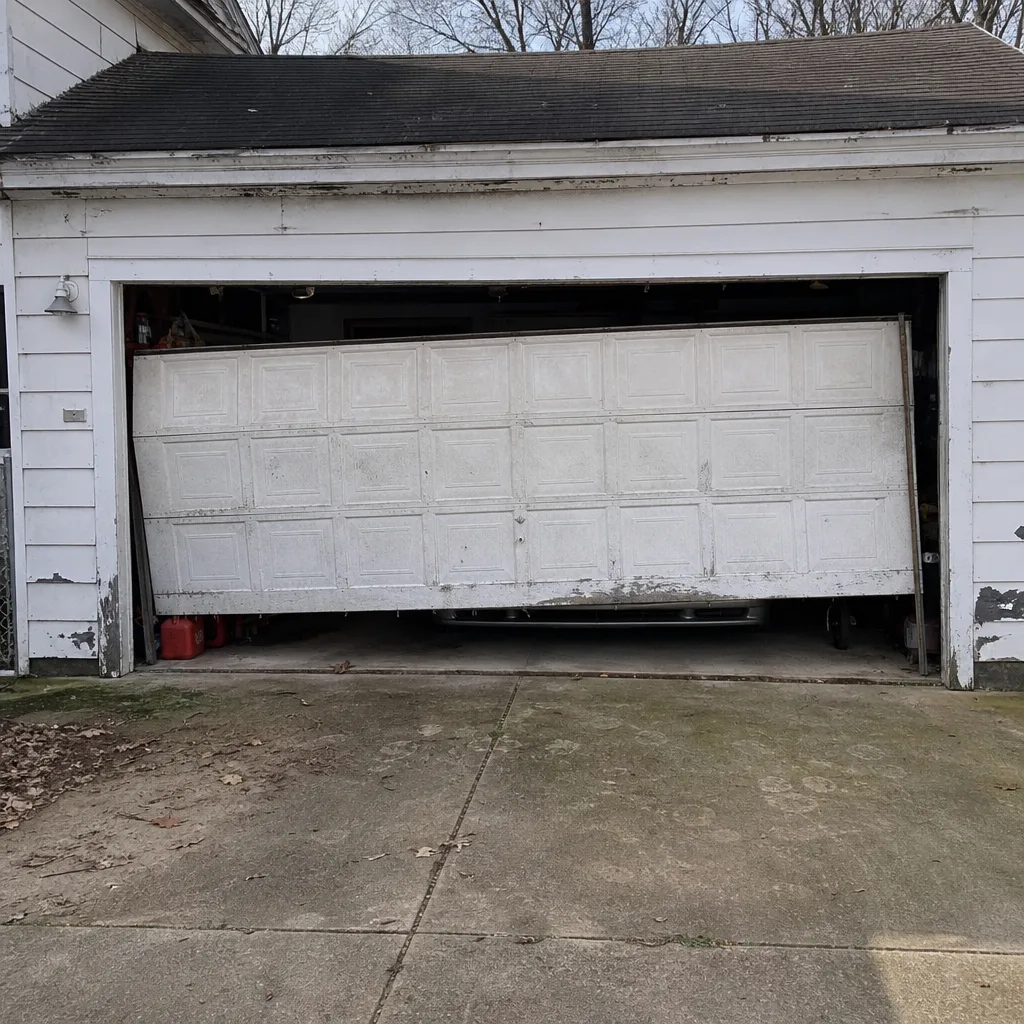 Before
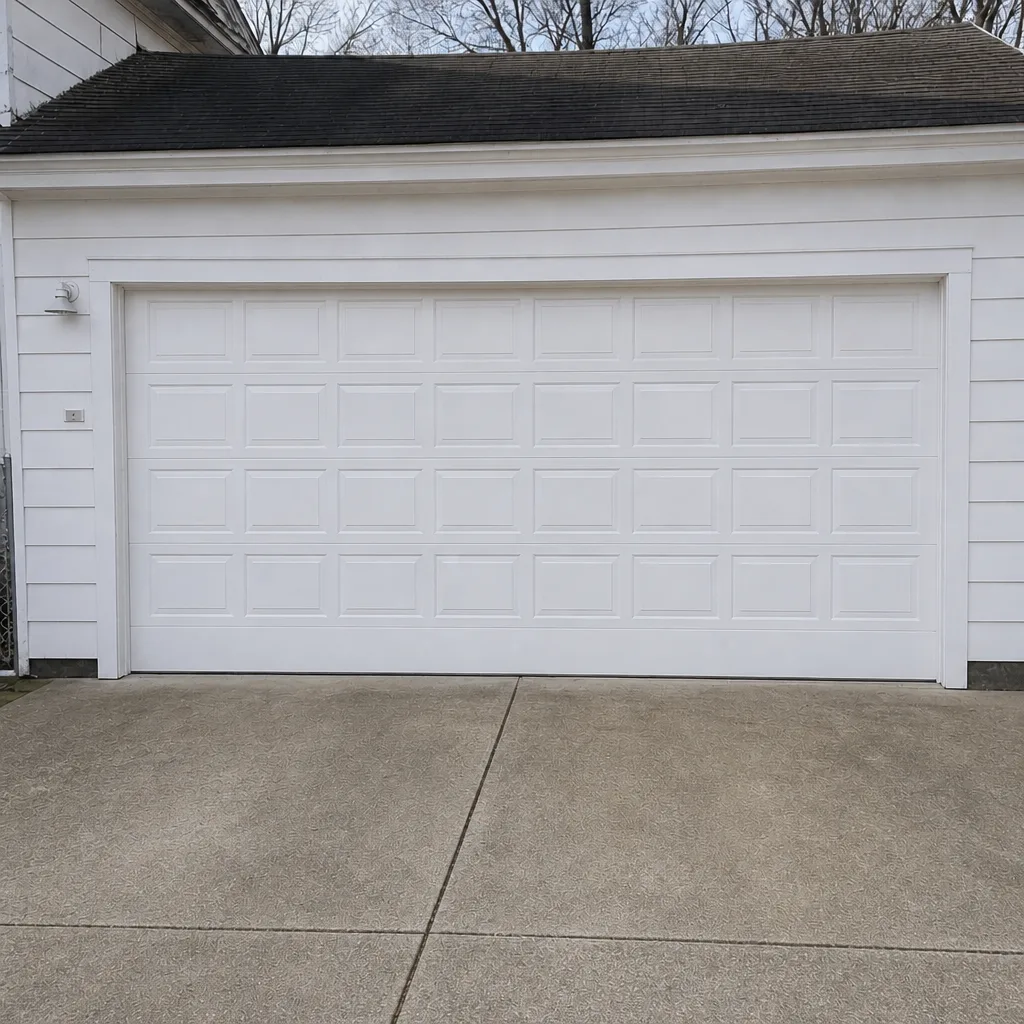 After
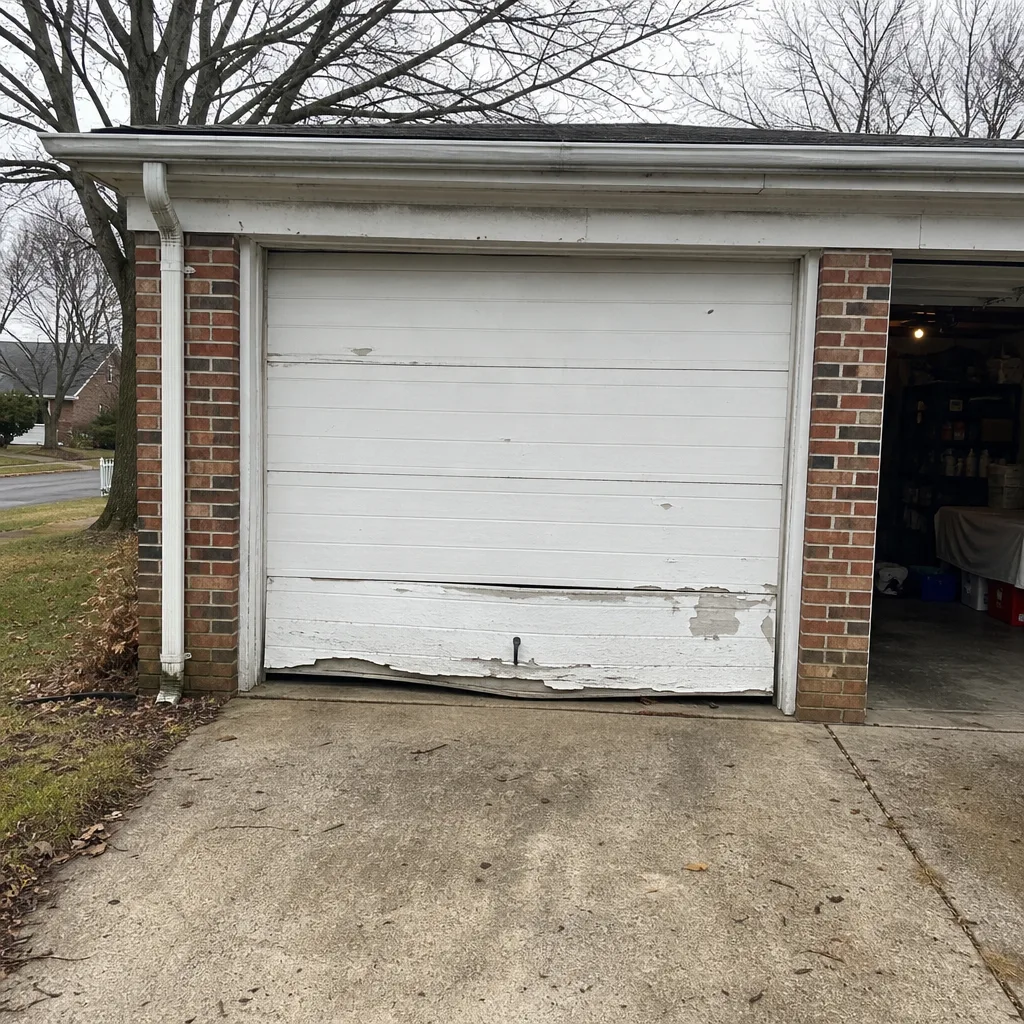 Before
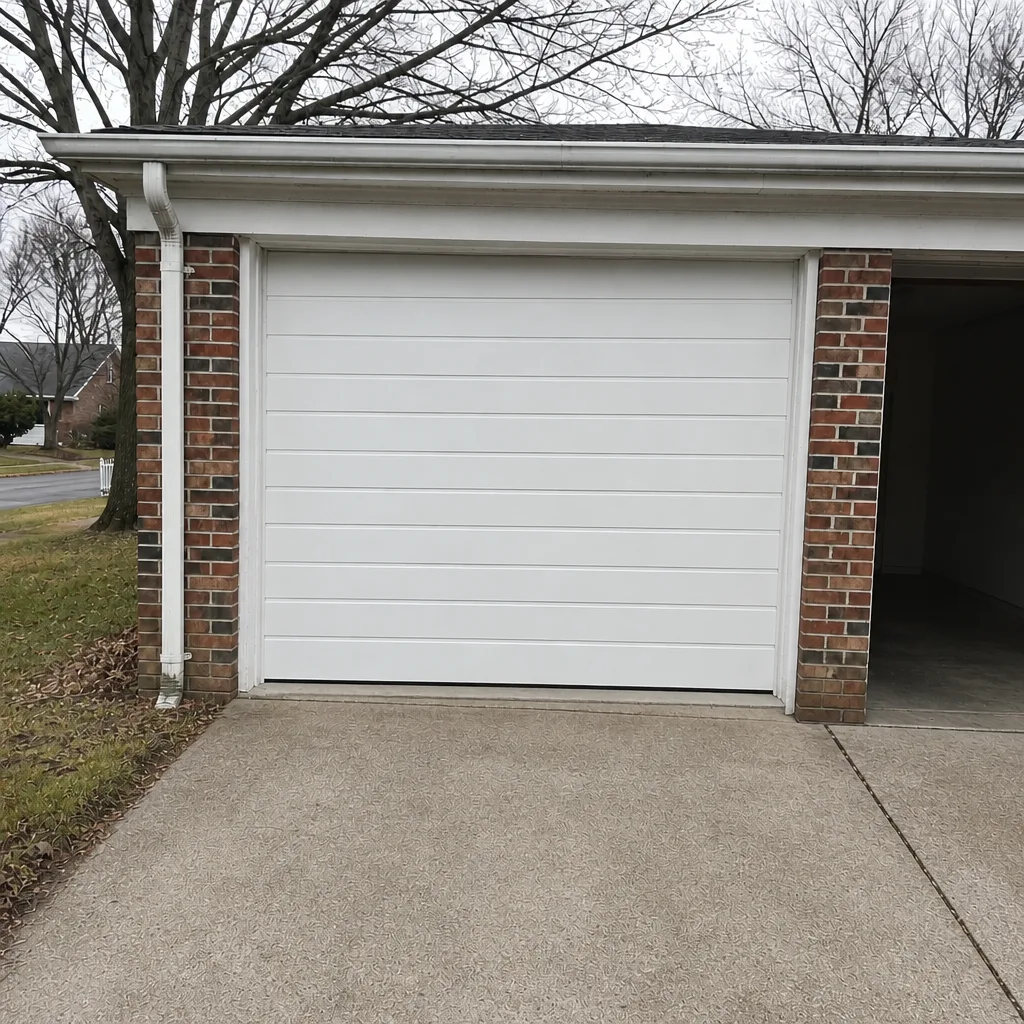 After
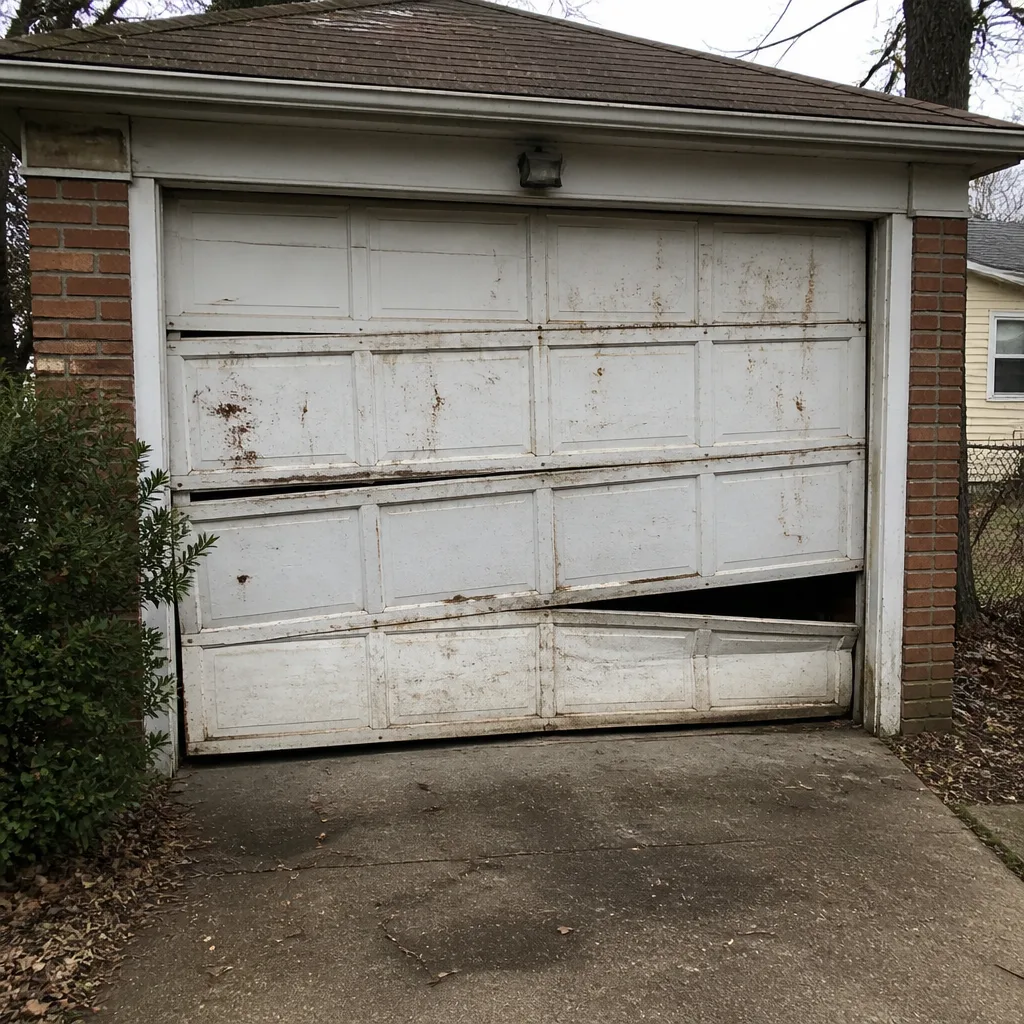 Before
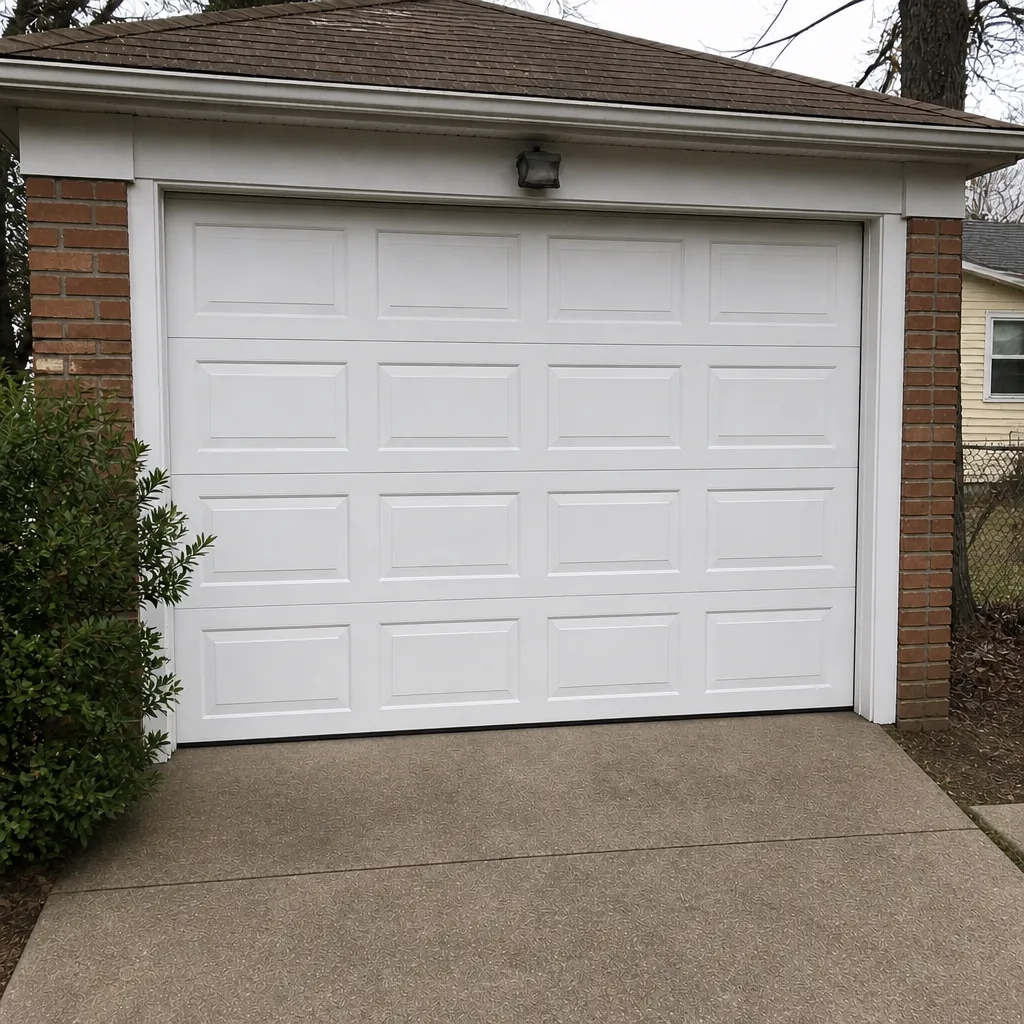 After
When to Call a Professional
Call a specialist when a spring is broken or looks separated, a cable is frayed or slack, or the door is too heavy to lift by hand – these are the injury-risk jobs and shouldn’t wait. Call us if the door binds, if the opener reads faults you can’t clear, or if a repair you tried didn’t hold. And call if the door won’t secure the garage overnight; that’s a security problem, not just a convenience one. Garage Door Repair Woodridge offers free estimates in Woodridge – call (844) 443-4173 and we’ll confirm what’s wrong and quote it before any work starts. Our technicians have up to 15 years of experience across every major brand, and we handle emergency calls when a door fails on you.
Frequently Asked Questions
A broken torsion spring is the most common cause of a door that won’t open in Woodridge. When the spring loses tension, the door becomes too heavy for the opener and stops lifting. Look for a visible gap in the coil above the door, and if you see one, don’t force it – call (844) 443-4173 for a free estimate.
Most repairs fall into a few typical ranges: sensor and roller work on the low end, spring replacement in the middle, and opener or cable jobs depending on parts. A single spring replacement usually runs a moderate range, and a matched pair costs about twice that since both are replaced together. The written estimate you get on-site sets the final price, and we agree it before any work starts. Call (844) 443-4173 for an exact quote – estimates are free.
Yes, in most cases – emergency garage door service is a core part of what we do, so a door that won’t close or won’t open can usually be seen quickly. Call (844) 443-4173 and we’ll confirm the soonest time we can get to you in Woodridge.
No – the written quote we give you is the price, and we discuss any change with you before doing the work. We quote before we start, not after, so you’re never surprised by the invoice. Call (844) 443-4173 for a free estimate and a clear number.
Pull the opener’s manual release and try lifting the door by hand. If it’s heavy or slams down, it’s a spring or mechanical fault and the opener is fine; if it glides easily but the opener still won’t move it, the opener is the problem. When it’s unclear, call (844) 443-4173 and we’ll sort it out on-site.
The local professionals we connect you with are licensed and insured as required in their area, so the work is covered properly. Our technicians have up to 15 years of experience and work on every major brand. Call (844) 443-4173 to book a visit and get a free estimate.
The Bottom Line
Garage door problems get expensive when you treat the visible symptom instead of the system that’s failing. Work the chain in order – springs, cables, tracks, rollers, opener, sensors – and use the hand-lift test to tell mechanical from electrical before you buy a single part. Do the safe checks yourself: clean and align the sensors, lubricate the rollers, keep the tracks dry. Leave the springs, cables, and force settings to a specialist, because that’s where the injury risk lives. For anything on the professional side, Garage Door Repair Woodridge handles repair, openers, springs, and full installations on every major brand. Call (844) 443-4173 for a free estimate and we’ll confirm the real cause before any work begins.
Written by the team at Garage Door Repair Woodridge.