Last updated November 21, 2026
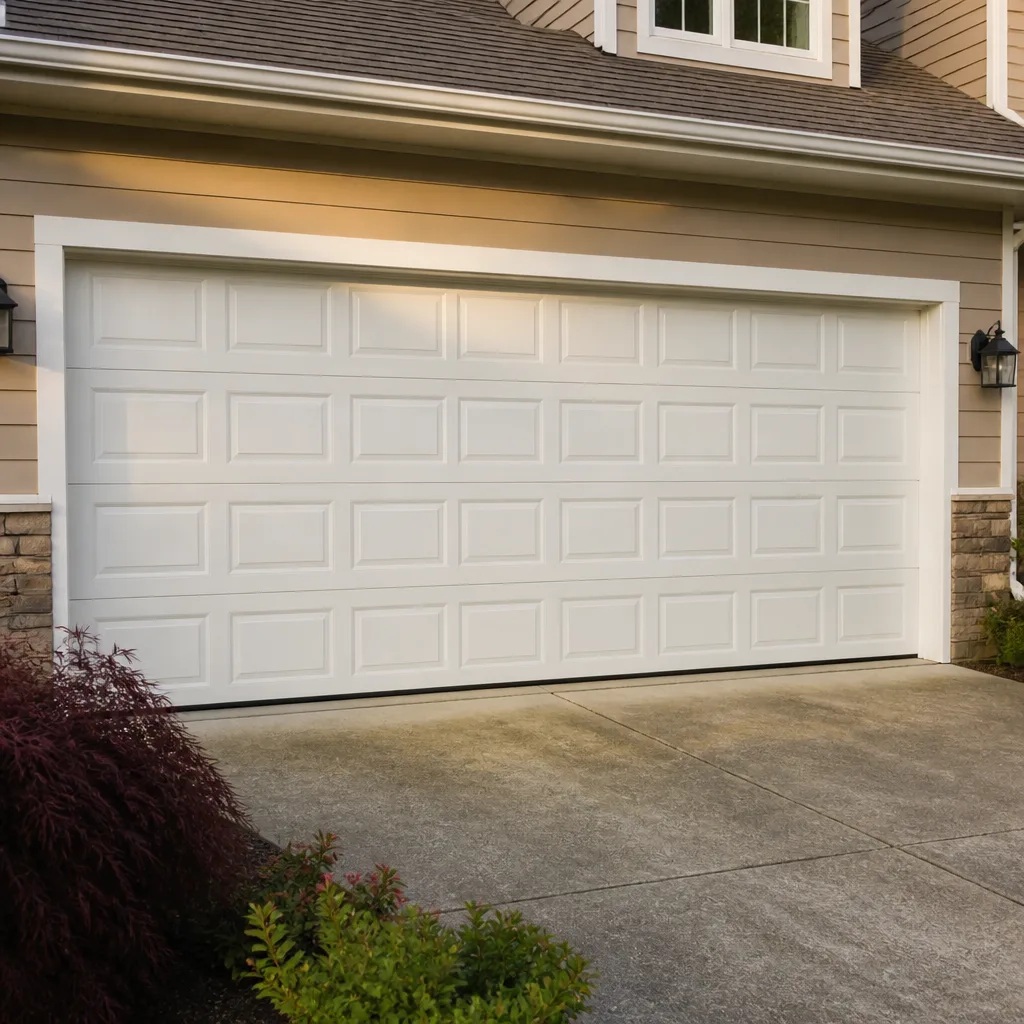 Raised-panel steel
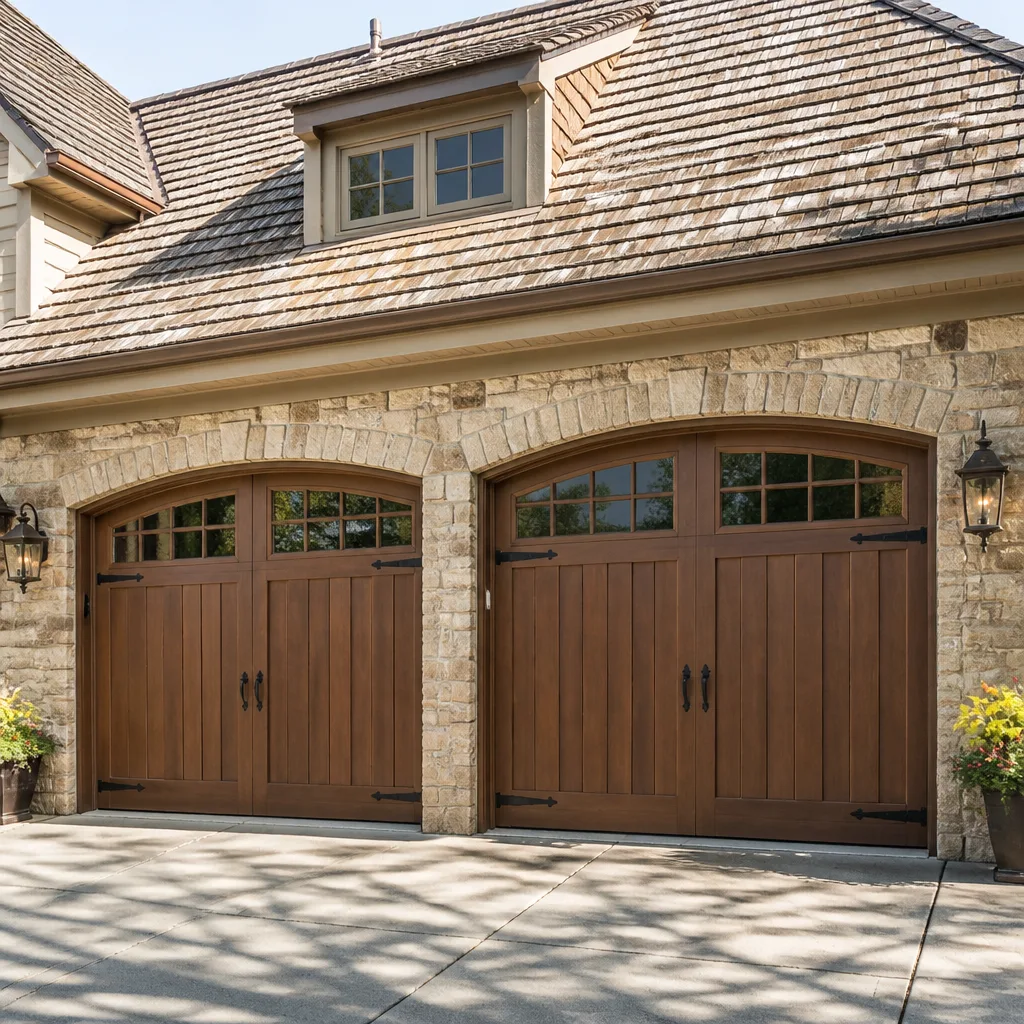 Carriage house
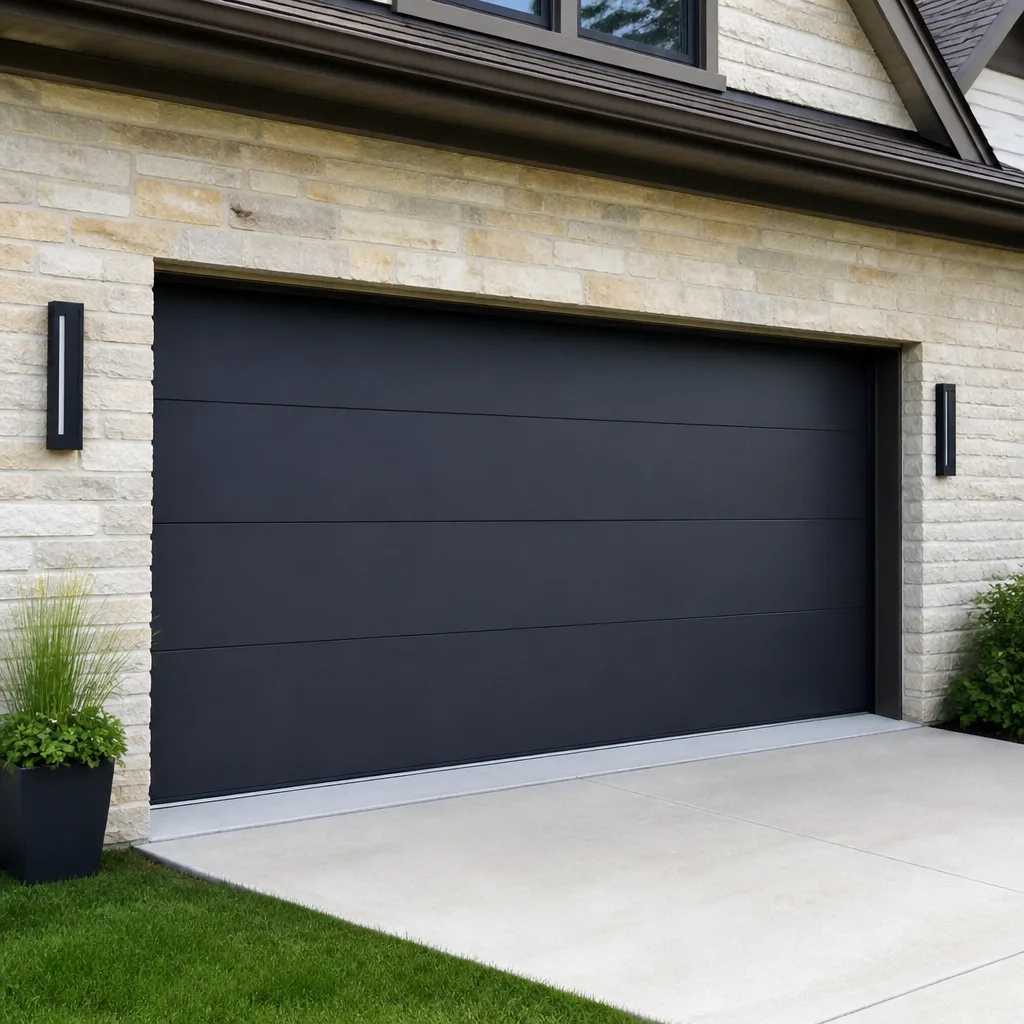 Modern flush
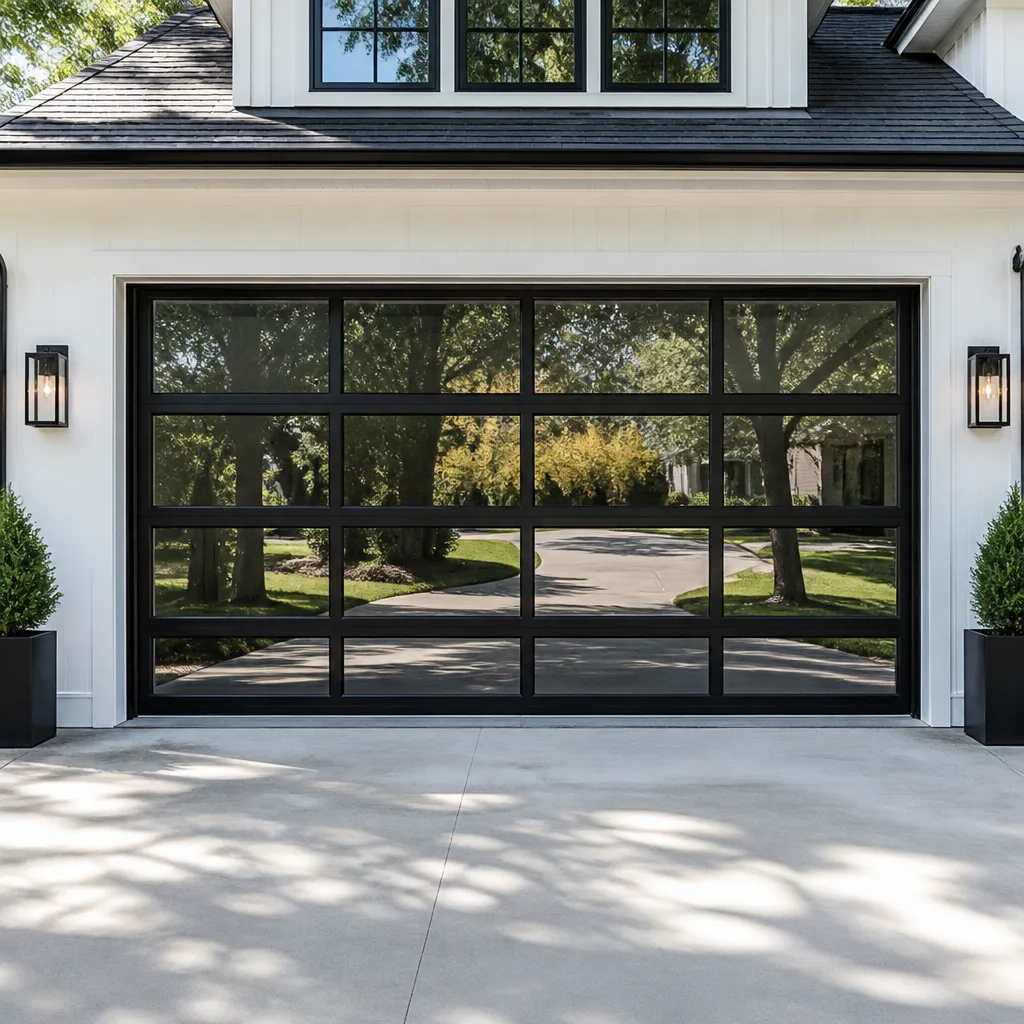 Full-view glass
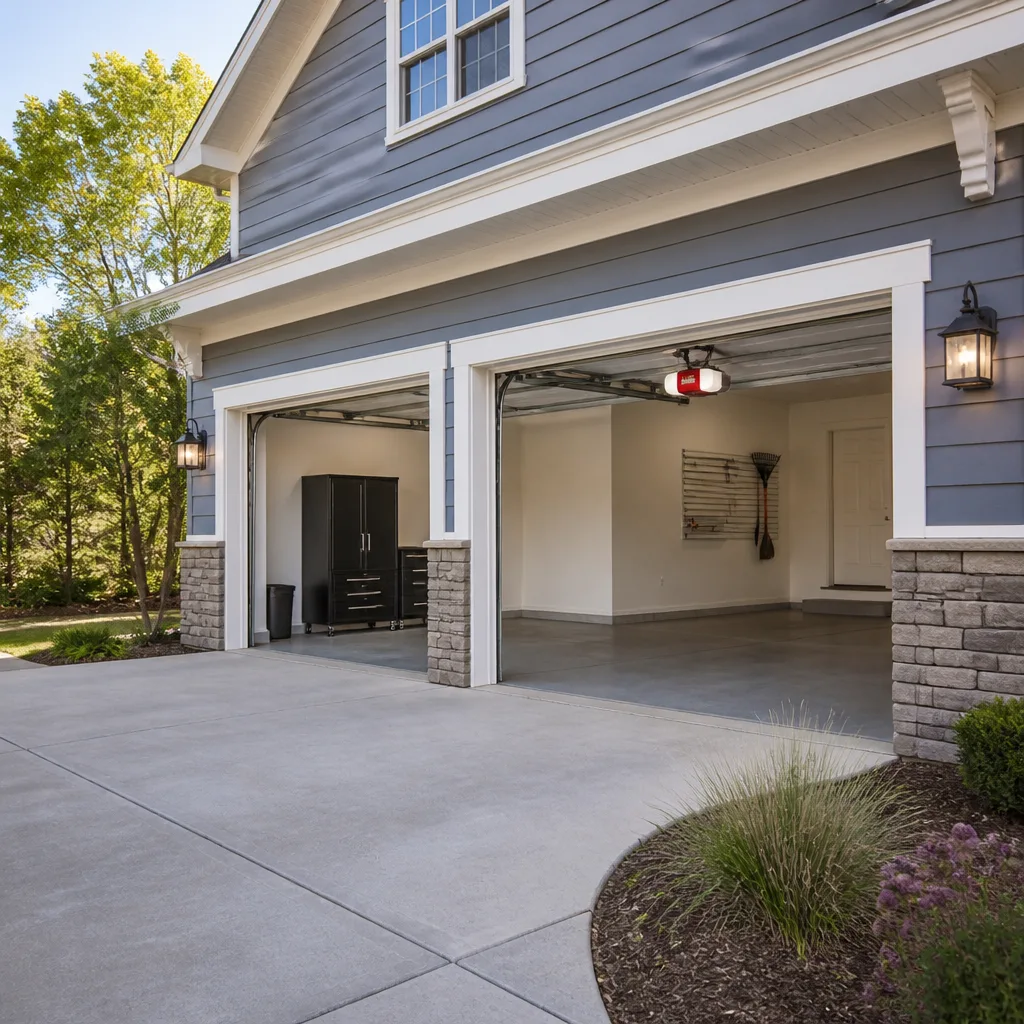 LiftMaster openers
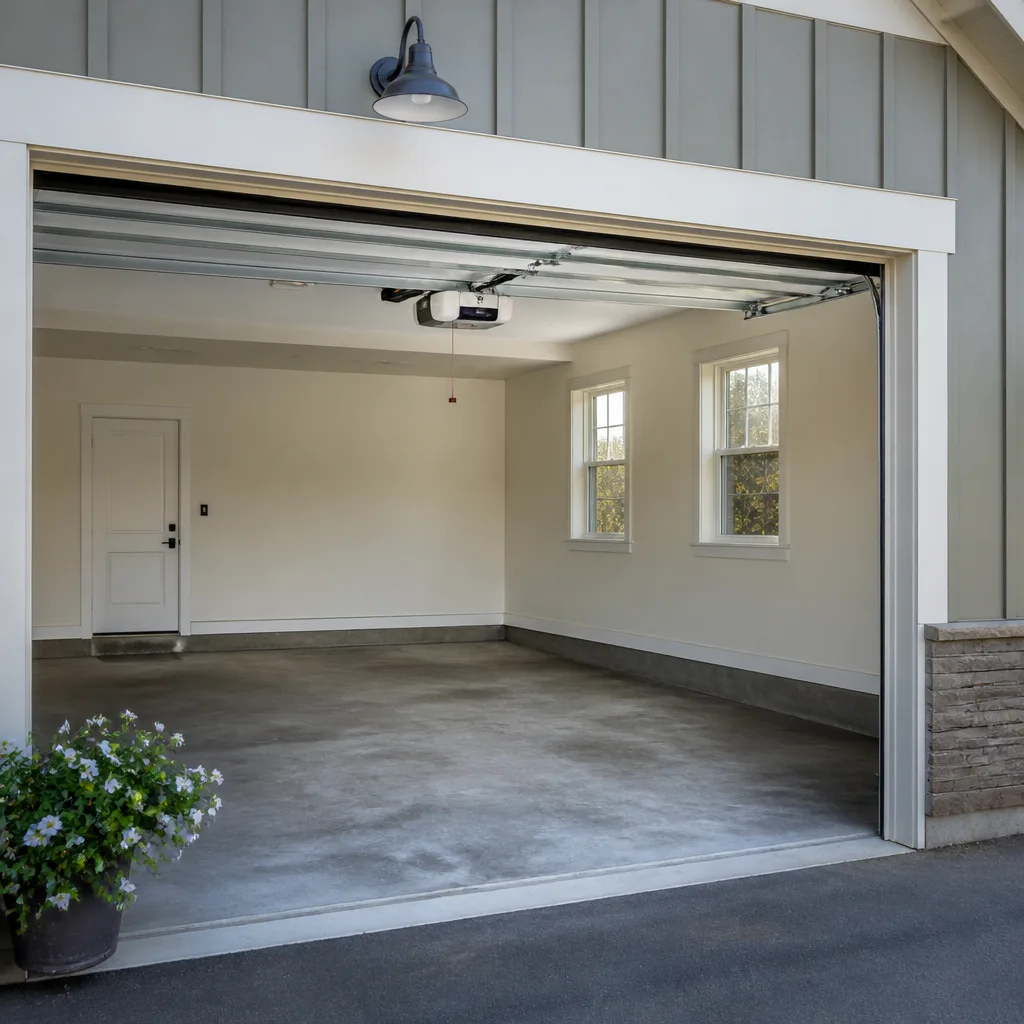 Chamberlain openers
Full 25-point door and opener safety check with every visit - springs, cables, rollers, tracks, and your LiftMaster or Chamberlain opener included
You get a price before we start. It does not change when the pro arrives.
Get your free estimateDIY vs Professional Garage Door: The Woodridge Homeowner’s Decision Guide
Most garage door advice online treats the whole machine as one decision: either you’re a DIY homeowner or you call a professional. That framing is wrong, and it costs people money and, occasionally, a lot more. Here’s the counterintuitive part. A torsion spring stores enough energy to cause serious injury the moment it releases, yet swapping a bottom seal or reprogramming a keypad takes twenty minutes and a screwdriver. The work isn’t one skill level. It’s a dozen different jobs bundled behind one panel, and each one carries its own risk and its own warranty consequences. This guide draws the line task by task. By the end, you’ll know exactly what’s safe to handle in your Woodridge garage, what isn’t, and which jobs are cheaper done by a specialist the same day than by you in a weekend.
Quick Answer
Split garage door work by task, not by confidence. Seals, lubrication, visual inspections, keypad and remote programming, and light hardware tightening are all reasonable DIY jobs for a homeowner with basic tools. Spring, cable, drum, and high-tension work should always go to a trained technician, because those parts store lethal energy and a wrong move can also void the labor warranty on a door you just paid to install. Anything involving a permit-required structural change belongs with a licensed contractor. Call (844) 443-4173 for a free estimate when the job crosses that line.
Styles & brands we work with
- Raised-panel steel
- Carriage house
- Modern flush
- Full-view glass
- LiftMaster openers
- Chamberlain openers
Table of Contents
- The Task-by-Task Breakdown: What’s Safe, What’s Risky, What’s Never DIY
- Why Spring and Cable Work Is Different From Everything Else
- How DIY Spring Work Affects Your Labor Warranty
- The Tools and Parts a Woodridge Homeowner Should Keep on Hand
- How DC Building Codes Treat Homeowner Work vs. Licensed Contractor Work
- Cost-Benefit: When Calling a Specialist Same-Day Is Cheaper Than a DIY Attempt
- Woodridge Climate and Housing Stock: What It Means for Your Door
- Common Mistakes to Avoid
The Task-by-Task Breakdown: What’s Safe, What’s Risky, What’s Never DIY
Instead of asking “can I fix my garage door,” ask “which task am I actually facing?” Three categories cover almost every job a Woodridge homeowner will encounter.
Category 1: Safe for DIY
- Replacing a bottom seal or weatherstripping. A rubber seal slides into a channel or nails to the bottom of the door. No stored energy, no tension, no injury risk.
- Programming a keypad, remote, or opener travel limits. Follow the manual for your LiftMaster, Chamberlain, or Genie unit. Programming is a button sequence, not a mechanical intervention.
- Lubricating hinges, rollers, and tracks. A few drops of a proper door lubricant quiet a squeaky door and slow wear on rollers.
- Visual inspections. Look for frayed cables, stretched springs, loose hinges, or bent tracks. Spotting a problem early is free.
- Light hardware tightening. Snugging a loose bracket bolt is fine. Anything that requires you to release spring or cable tension is not.
- Replacing a photocell or safety sensor. The safety eye at the base of the track is a low-voltage component you can swap with the opener unplugged.
Category 2: Risky for DIY
- Adjusting the opener’s force settings. It looks like a dial, but a dangerously high setting can defeat the safety reverse. Get it wrong and the door closes hard on whatever is under it.
- Roller and hinge replacement on a door under tension. The parts themselves are cheap and the work is simple, but if the door is at any height, an accidental release can drop it.
- Track realignment on a heavy door. A door that has jumped its track can buckle and fall. Small nudges are fine; a full re-seat on a two-car door is a two-person, trained job.
Category 3: Never DIY
- Torsion spring replacement. The spring above the door is wound under extreme tension by design. Releasing that energy the wrong way can break bones or worse.
- Extension spring replacement. Smaller than torsion springs, but still coiled under load. Same risk class.
- Cable replacement. Cables and springs work together. If one fails, the other is under unpredictable load. Never touch either while the door has any counterbalance tension.
- Drum replacement. The cable drums at the top corners of the door are part of the cable system. Same rule.
- High-lift or low-headroom conversions. Any structural change to how the door travels is a permit-level job, not a homeowner one.
If a job needs a spring and cable, it needs a trained technician. Garage Door Repair Woodridge treats those as its core work; our technicians have up to 15 years of experience with the mechanism, and we work on all the major brands including LiftMaster, Clopay, and Raynor. If your spring service is what’s needed, that’s exactly what garage door repair is built for.
Why Spring and Cable Work Is Different From Everything Else
Every other home repair you can think about, from a leaky faucet to a broken outlet, fails in a way you can usually step back from. Garage door counterbalance springs fail in a way that happens in a fraction of a second. That’s the whole reason they sit in their own category.
Here’s the mechanical reason. A torsion spring is wound many turns past its resting state to hold the door’s weight. Once you take your hand off the winding bar, the spring is holding hundreds of pounds of stored force. If it slips off a winding bar mid-adjustment, everything releases at once. There’s no warning squeak, no gradual failure. Door springs are also one of the few parts on any house that can genuinely injure an experienced technician, never mind a homeowner working off a stepladder.
Cables are the same story from the other side. They work in pairs with the springs, and if a spring is replaced without re-tensioning the cables correctly, the door can twist and fall off one side. That’s not a hypothetical. In our experience, garage doors that have “settled crooked” after a DIY spring job are usually carrying uneven cable tension that a trained eye can spot and correct in a few minutes.
What you can do is recognize the warning signs early:
- A gap in the spring coil (torsion) or a stretched-out spring (extension)
- A loud bang from the garage, followed by a door that won’t lift
- A door that feels suddenly much heavier to lift by hand
- A door that closes unevenly or hangs to one side
- Frayed or kinked cables visible along the sides of the track
Any of those are a call-a-specialist signal. Spring repair in Woodridge is a genuine specialty, and we take it seriously because the mechanism doesn’t forgive mistakes. If you’d rather read the full technical picture, our page on Garage Door Repair Woodridge covers the repair work in more detail.
How DIY Spring Work Affects Your Labor Warranty
Manufacturers and installers almost always tie their warranty to proper installation and service. When you replace a spring yourself, you’re not just risking injury, you’re likely voiding any labor warranty tied to that door’s counterbalance system. That’s a real financial consequence, and it’s the one most DIY guides skip.
What “voiding the labor warranty” actually means in practice:
- You lose coverage on the spring and its labor. If your new spring fails in a season, that replacement is on your dime, not the installer’s.
- Related cable and drum problems can fall out of scope. If a DIY spring swap throws off the cable tension and the drum wears out early, the installer can reasonably decline to cover the drum as well.
- Future service calls can carry a higher diagnostic scope. When a technician walks up to a door with recent DIY work, they need to check every part the DIY job touched, not just the symptom. That’s the honest reason a future call sometimes costs more than it would have.
- New installations can have their warranty affected. If you have a door installed and then modify the counterbalance system yourself, most installers consider the door’s mechanical coverage at risk.
On a brand-new Clopay or Amarr door, that coverage is often a meaningful part of what you paid for. The math rarely works in favor of a DIY spring replacement. This is why we recommend calling a specialist the same day a spring breaks. Our team can quote the job and lock in the price before any work starts, so you know exactly what you’re paying.
The Tools and Parts a Woodridge Homeowner Should Keep on Hand
A homeowner with the right small kit can handle every legitimate DIY task on the list without a truck full of equipment. Here’s what’s actually worth keeping in the garage, none of it expensive.
Tools worth owning
- Adjustable wrench for tightening hinge and bracket bolts
- Nut driver set (1/4″, 5/16″, 3/8″) for opener screws and hinge fasteners
- Screwdrivers, both flathead and Phillips, for sensor and bracket work
- Door lubricant made specifically for garage doors (not WD-40)
- A small level for checking the bottom seal sits flush with the floor
- A sturdy stepladder rated for the height of your door’s top section
- Work gloves for anything near cables or tracks
Parts worth keeping
- A replacement bottom seal cut to your door’s width
- A spare opener battery for the remote
- A spare safety sensor (a generic one is fine; match the brand if you can)
- Hinge replacement kit for one or two hinges as they wear
- A printed copy of the opener manual if you can find it, since programming sequences are easier to follow on paper than on a phone at the wall
We mention manuals for a reason. Openers vary more than people expect, even between models from the same brand. A Craftsman opener from one generation has a different programming sequence from the next, and a LiftMaster keypad won’t respond to an older sequence no matter how many times you enter it. If the manual is gone, a quick call to us can usually save you an hour of guessing. When the issue is the opener itself rather than its programming, we handle that too through garage door opener repair.
How DC Building Codes Treat Homeowner Work vs. Licensed Contractor Work
Here’s where the DIY decision gets a legal dimension. Some garage door work is a simple repair that needs no permit. Other work, mainly anything that changes the structure, framing, or how the door travels, can require a permit. In Washington, DC, permit requirements fall under the city’s building code and are enforced by the DC Department of Buildings (DOB). Homeowners in DC may pull certain permits for work on their own single-family home, but the rules are specific and the project has to be the homeowner’s own residence.
The practical rule of thumb for a Woodridge homeowner:
- No permit typically needed: repair or replacement of a spring, cable, opener, roller, hinge, panel, seal, or sensor. These are repairs to an existing door system.
- Permit may be needed: structural changes such as widening a garage opening, replacing a header, converting a garage to living space, or changing a door’s lift height in a way that requires reframing.
- Contractor required: any permitted structural work. In DC, most permitted structural work needs to be pulled and performed by a licensed contractor.
- When in doubt: call the DC Department of Buildings. They will tell you, in plain language, whether your specific job needs a permit.
We don’t issue permits, and we don’t claim to interpret every line of the DC building code for you. What we can say is what we’ve seen from the field: repair-level work is almost always permit-free, and the jobs that need a permit are the ones that involve framing or a change to the opening. Those are also the jobs where you should be calling a licensed general contractor or door professional, not a weekend DIY guide. If you’re planning a full replacement rather than a repair, our garage door installation page lays out what that process involves.
Cost-Benefit: When Calling a Specialist Same-Day Is Cheaper Than a DIY Attempt
This is the section most DIY guides leave out entirely. The question isn’t only “how much does the part cost?” It’s “how much does the DIY attempt cost when it goes wrong?” And garage doors fail in expensive ways when the counterbalance system is mishandled.
The three costs that show up most often after a DIY spring or cable attempt:
- Secondary damage to the door itself. A dropped or twisted door can bend panels, twist tracks, and shear hinges. A single bent panel on a multi-panel door sometimes means replacing the door, not just the panel.
- Opener motor damage. A door that’s running out of balance makes the opener work much harder. A LiftMaster or Genie motor that’s been lifting a door with a bad spring can burn out its drive gear or strain the motor. That’s a second repair on top of the spring.
- Emergency call pricing. A door stuck halfway up at 6pm on a Sunday costs more to fix than the same spring job scheduled the day it broke. Speed that looks like a saving in the moment often ends up adding a weekend of inconvenience and a higher diagnostic scope.
Compare that to the reverse case. A professional spring repair in Woodridge is usually done same day, the quote is agreed before the work starts, and the door’s balance is restored in a single visit. If the spring on your door is broken, the same-day call is almost always the cheaper path once you price in the risk of doing it yourself.
For a straight repair, call (844) 443-4173. If your door is down and you need it working, the shortest path is a same-day service call, not a trip to a parts store for a spring that will probably be the wrong size. Balance, spring type, and door weight vary enough that the “right” spring isn’t always the one on the shelf.
Woodridge Climate and Housing Stock: What It Means for Your Door
Woodridge is a wooded, hilly neighborhood in Northeast DC, and its mix of single-family homes, townhouses, and older garages changes what breaks and how often. A few neighborhood-specific things worth knowing before you decide to go DIY.
The DC area’s humid summers and cold winters are both hard on garage door hardware. In the summer, heat and humidity accelerate hinge wear and can warp a wood door’s bottom section. In the winter, freeze-thaw cycles on the concrete apron in front of the door can heave slightly, and that throws off the bottom seal’s alignment. If your door has a gap along the floor after a hard freeze, it’s usually the seal, not the door.
Homes in Woodridge also sit on slopes and wooded lots, which affects garage door hardware two ways.
- Leaf litter and debris build up in the bottom track and around the bottom seal, which wears out the seal quickly. That’s a DIY fix worth staying ahead of.
- Tree canopy and shading mean less heat on the door in summer and more moisture hanging around. Both are reasons to inspect the door twice a year, once in spring and once in fall.
If your home has an older door, especially a Wayne Dalton or a Craftsman-era install that’s been on the same springs for years, the springs are near the end of their typical service life. A quick visual check and a call the moment you see a coil gap is worth more than any repair. The DC Department of Buildings won’t help with a spring, but a specialist can.
Common Mistakes to Avoid
- Treating a broken spring as one of the DIY tasks. The mechanism looks simple from the ground. It isn’t. The spring stores enough energy to cause serious injury, and every major garage door manufacturer expects the repair to be done by a trained technician.
- Pulling the manual release when the door is under load. If the door is stuck halfway with a bad spring, releasing the emergency cord lets the door drop. Call first. On a LiftMaster or Genie opener, the release is meant for a door in balance, not a door with a broken spring.
- Buying a spring off the shelf and assuming it fits. Springs are matched to door weight and door height. The wrong spring runs the door out of balance and accelerates wear on the cables and rollers.
- Ignoring a gap in the spring coil. That little gap is a spring that has started to fail. Driving on it until it snaps means an emergency call instead of a scheduled one.
- Adjusting the opener force settings to compensate for a bad spring. This is the most common opener-killer we see. It masks the real problem and burns out the motor.
- Skipping lubrication for years. Rollers and hinges that don’t get lubricated develop flat spots and squeaks, which is a minor issue. Cables that aren’t checked can fray. Neither is expensive to fix if caught early. Both are expensive if ignored.
- Doing permitted structural work without pulling a permit. In DC, any change to the garage opening’s framing or size needs a permit, and permitted structural work needs a licensed contractor. Save the permit question for the DC Department of Buildings; save the door for us.
When to Call a Professional
Call a professional the moment your garage door work crosses any of these lines:
- Any spring, cable, or drum needs replacement.
- The door has dropped, twisted, or left the track on one side.
- The door has become noticeably heavier to lift by hand.
- The opener runs but the door doesn’t move, or runs with a grinding noise.
- The door won’t close, won’t open, or the opener’s safety reverse is not working.
- You’re considering any structural change to the opening.
Free estimates are available in Woodridge. If the door is down, we’ll do our best to get a trained technician out the same day, and the quote will be agreed before any work starts. Call (844) 443-4173 and we’ll walk through the situation with you on the phone first. The full scope of what we handle is on our main service page. What we won’t do is guess.
See the difference
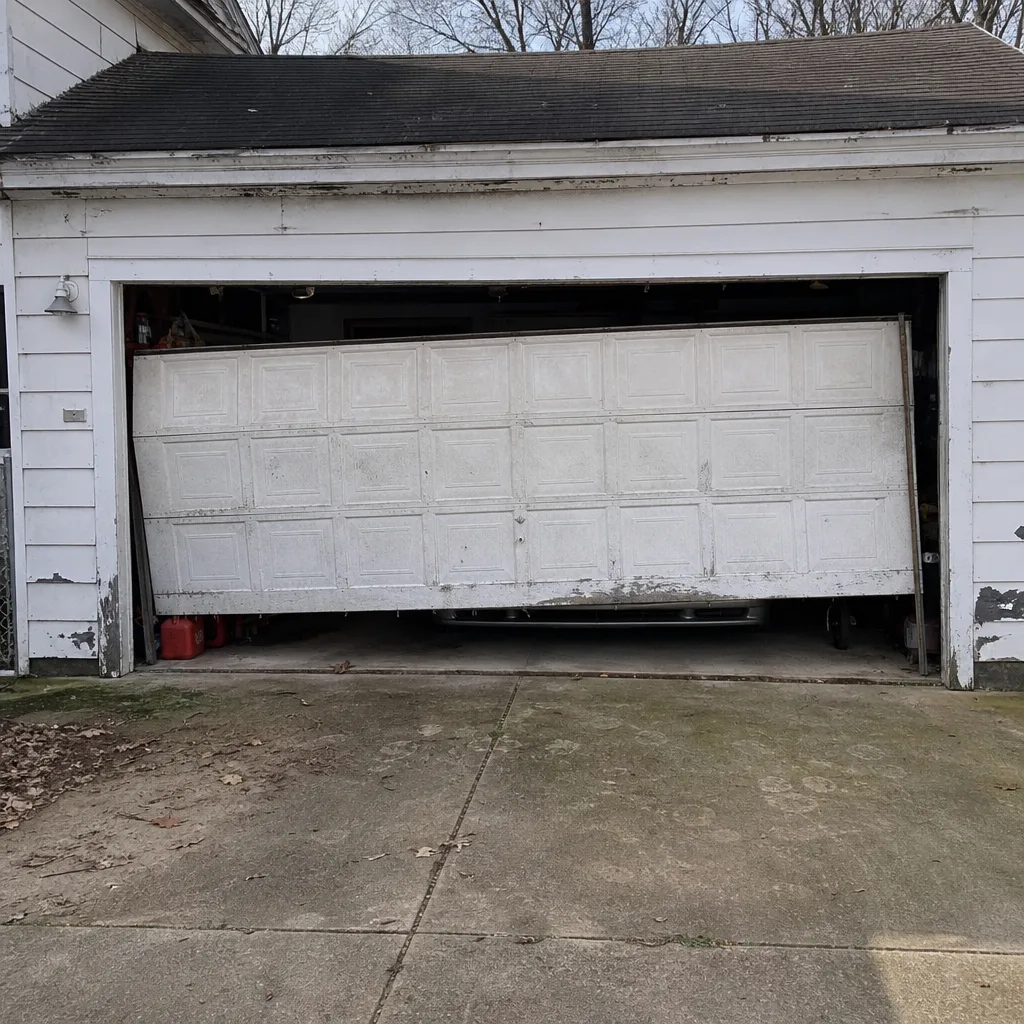 Before
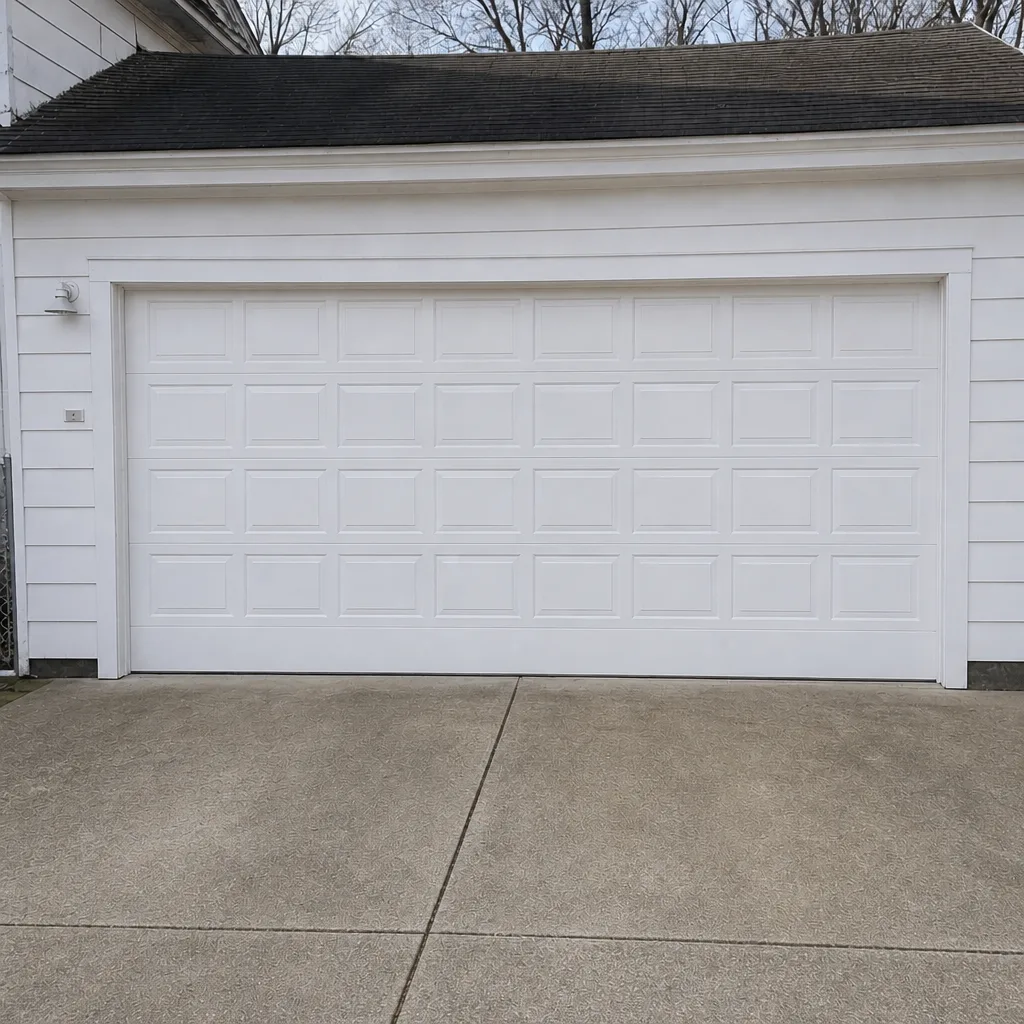 After
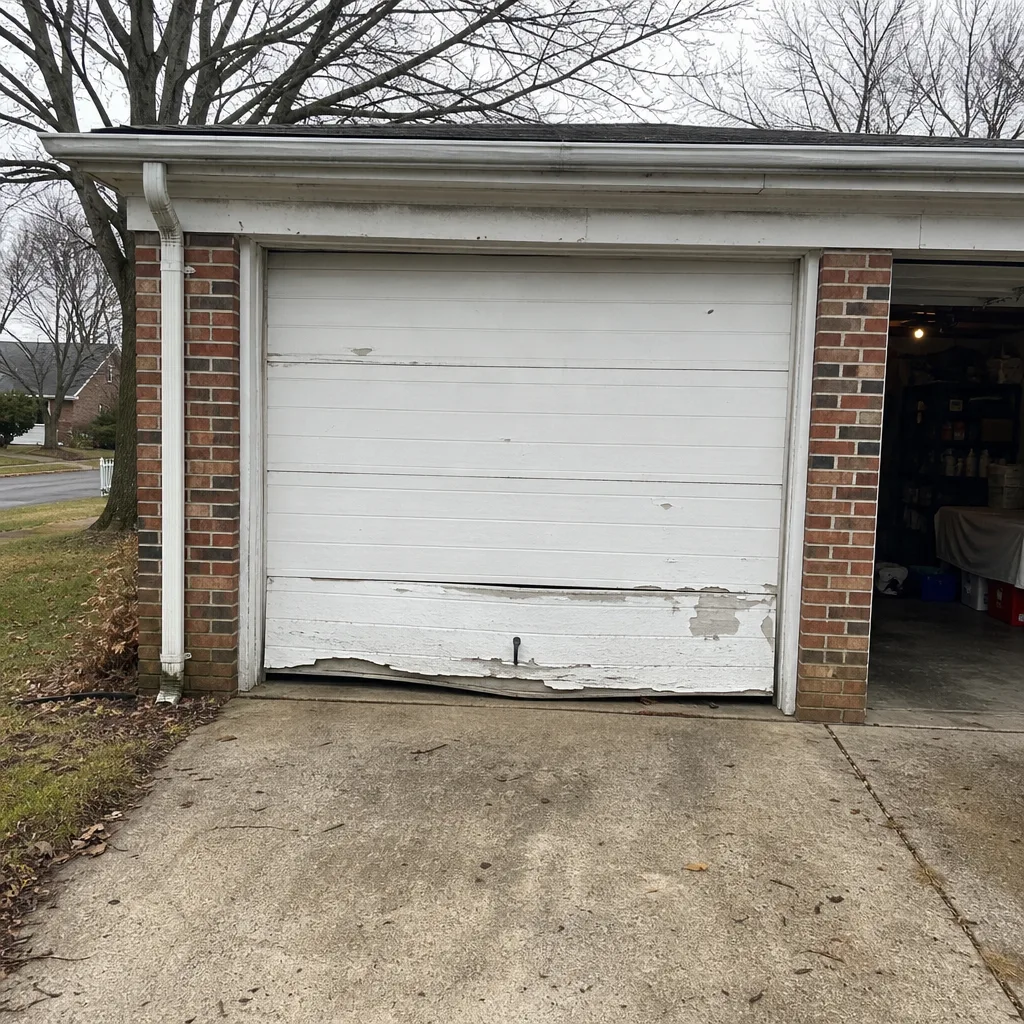 Before
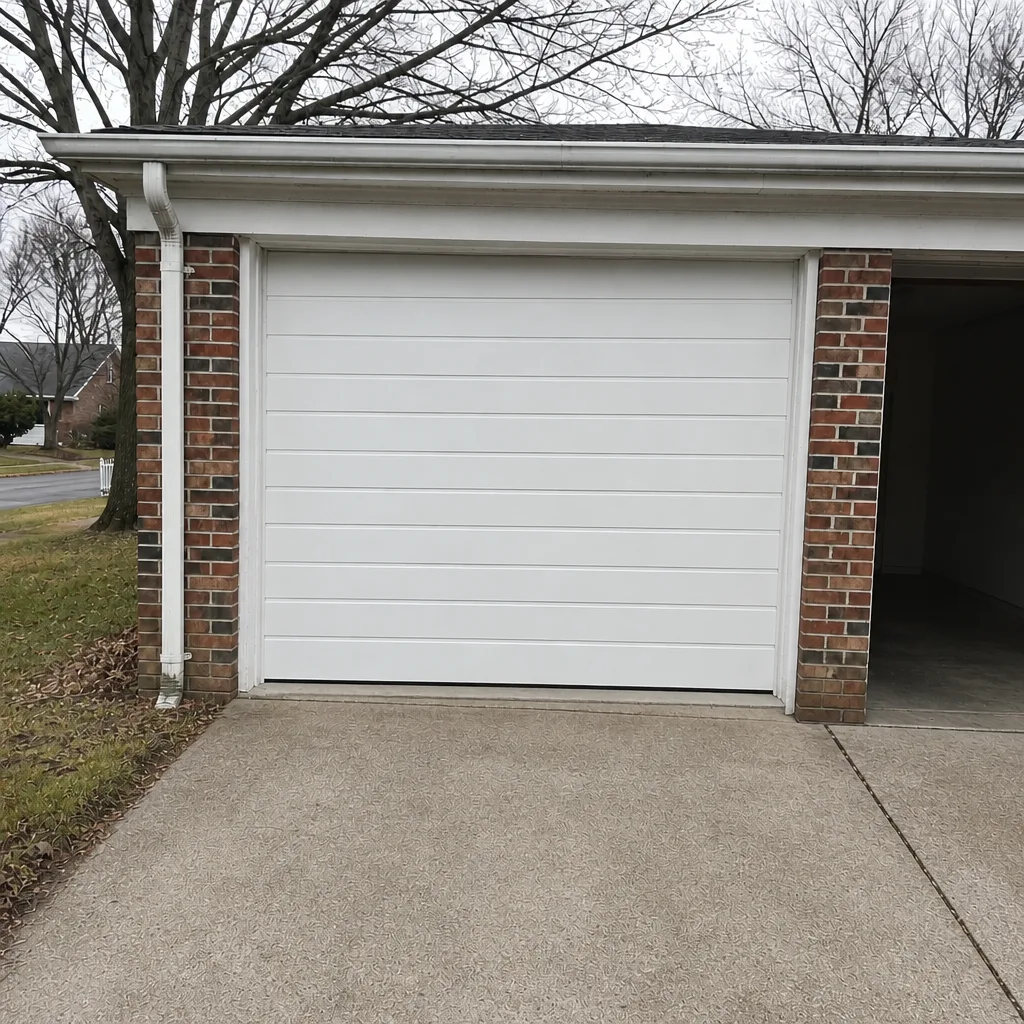 After
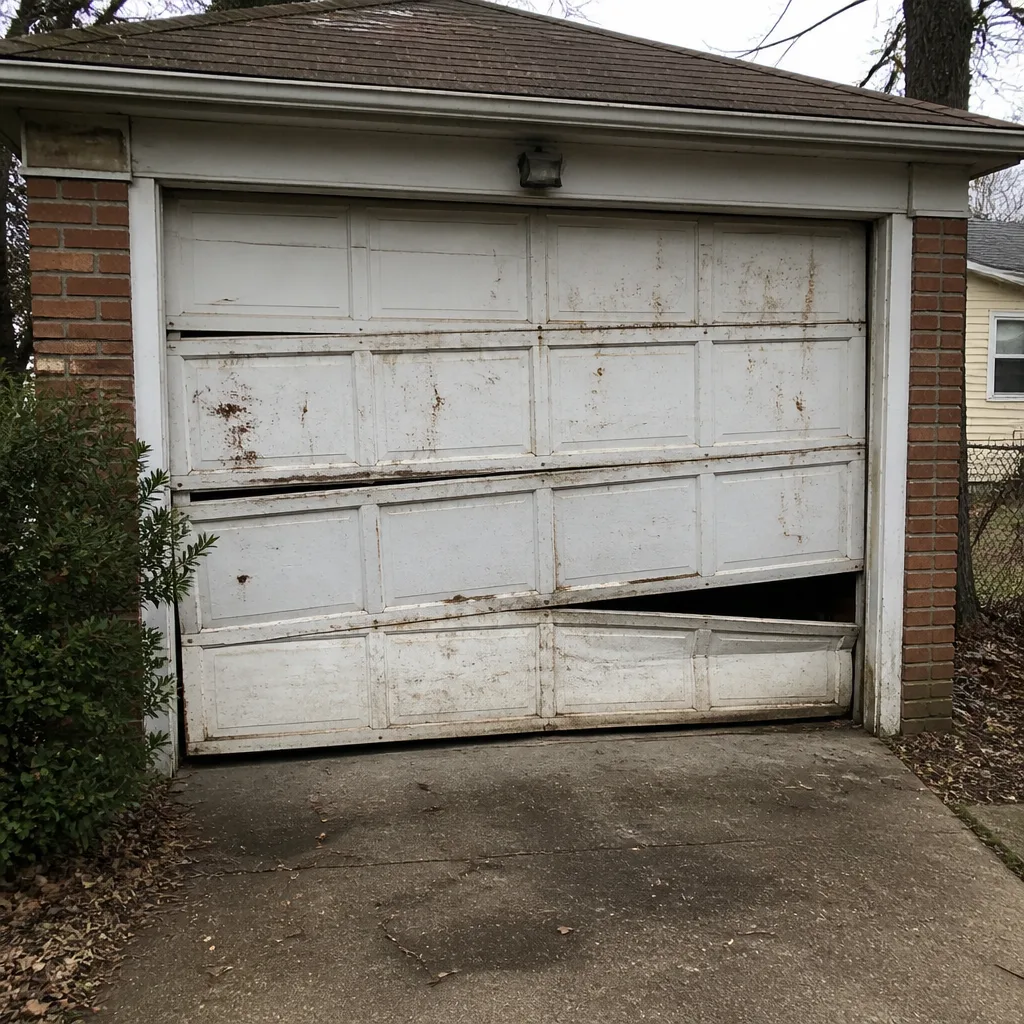 Before
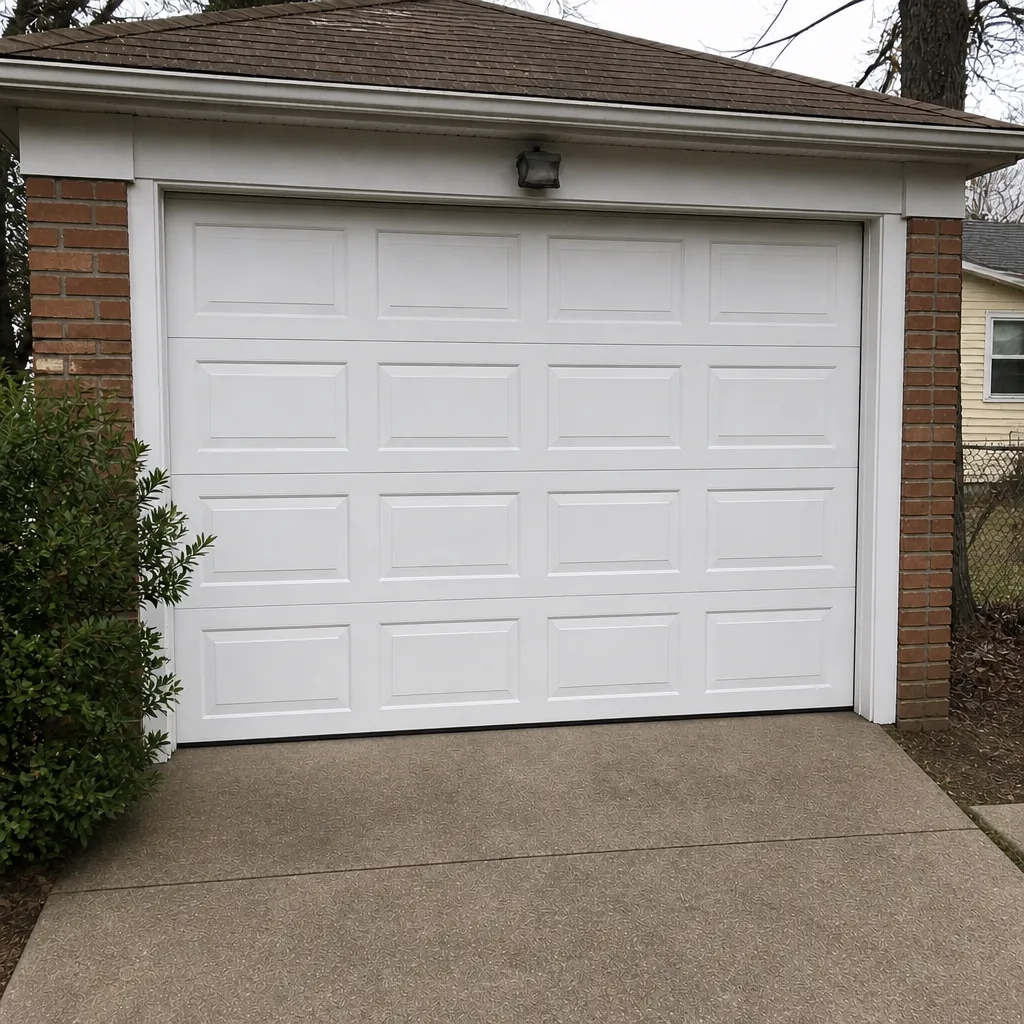 After
Frequently Asked Questions
No. Torsion and extension springs store enough energy to cause serious injury when released, and every reputable garage door manufacturer treats spring replacement as trained-technician work. A spring failure also usually voids the labor warranty on the door. Call (844) 443-4173 for a same-day service call instead.
Replacing a bottom seal, lubricating hinges and rollers, programming a keypad or remote, replacing a safety sensor, and doing visual inspections are all reasonable DIY tasks for a homeowner with basic tools. Anything involving springs, cables, or the opener’s force settings should go to a trained technician. Call (844) 443-4173 if you’re not sure which side a job falls on.
Yes, in many cases. Door manufacturers and installers tie warranty coverage to proper installation and service, so a homeowner-performed spring swap can void the labor and counterbalance coverage. On a newer door, that’s the main hidden cost of DIY. Call (844) 443-4173 to price a spring job before you decide.
Most repairs, including springs, cables, openers, panels, and hardware, don’t need a permit. Structural changes to the opening, such as widening the doorway or converting a garage to living space, may require a permit under DC building codes. The DC Department of Buildings can confirm for your specific job. Call (844) 443-4173 for repair-level work that doesn’t need a permit.
Almost always when the job touches the spring, cable, or drum system. A wrong spring size or a dropped door can bend panels, twist tracks, or burn out the opener motor, which turns a single repair into two or three. The same-day professional call is usually the cheaper path. Call (844) 443-4173 for a free estimate.
A little. Humid summers accelerate hinge wear and can warp wood bottom sections. Winter freeze-thaw can throw off the bottom seal’s alignment. Leaf litter from the neighborhood’s tree canopy wears out seals faster than you’d expect. The fix for most of these is a twice-a-year visual inspection and a fresh seal when the old one starts to gap. Call (844) 443-4173 if you spot a problem during inspection.
The Bottom Line
The right way to think about DIY on a garage door isn’t “can I do this” but “which task is this.” Seals, lubrication, sensor swaps, keypad programming, and visual checks are yours to handle. Springs, cables, drums, and anything that changes the door’s structure are a trained technician’s job, and DIY attempts there usually cost more in the long run than the call would have. The cleanest decision rule for a Woodridge homeowner is this: if the job involves wound metal under load, call us. If it involves a screwdriver and a manual, you’ve got it.
Contact
Call (844) 443-4173 for a free estimate on any garage door repair, spring replacement, opener repair, or installation in Woodridge. Our technicians have up to 15 years of experience, we service LiftMaster, Chamberlain, Genie, Clopay, Amarr, Wayne Dalton, Craftsman, and Raynor equipment, and we’ll quote the price before any work starts.
Written by the team at Garage Door Repair Woodridge.