Last updated November 21, 2026
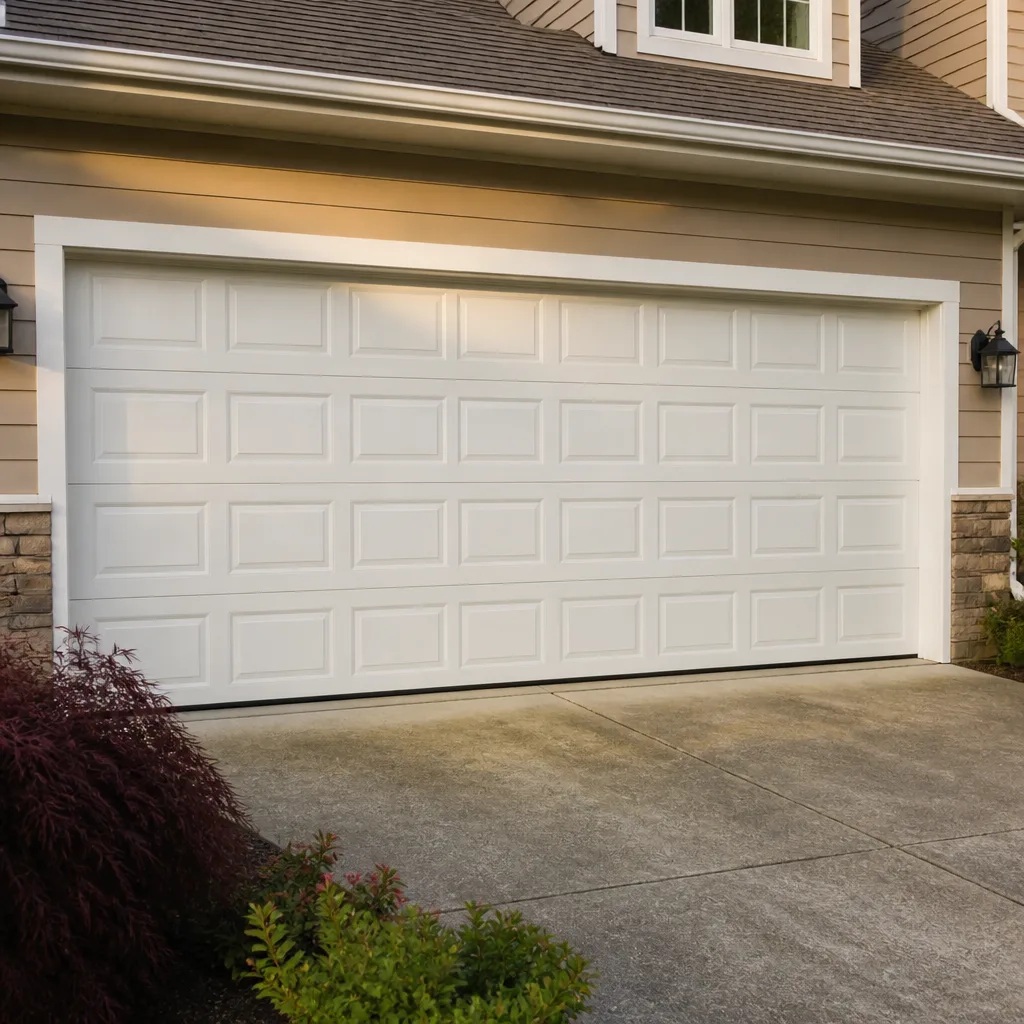 Raised-panel steel
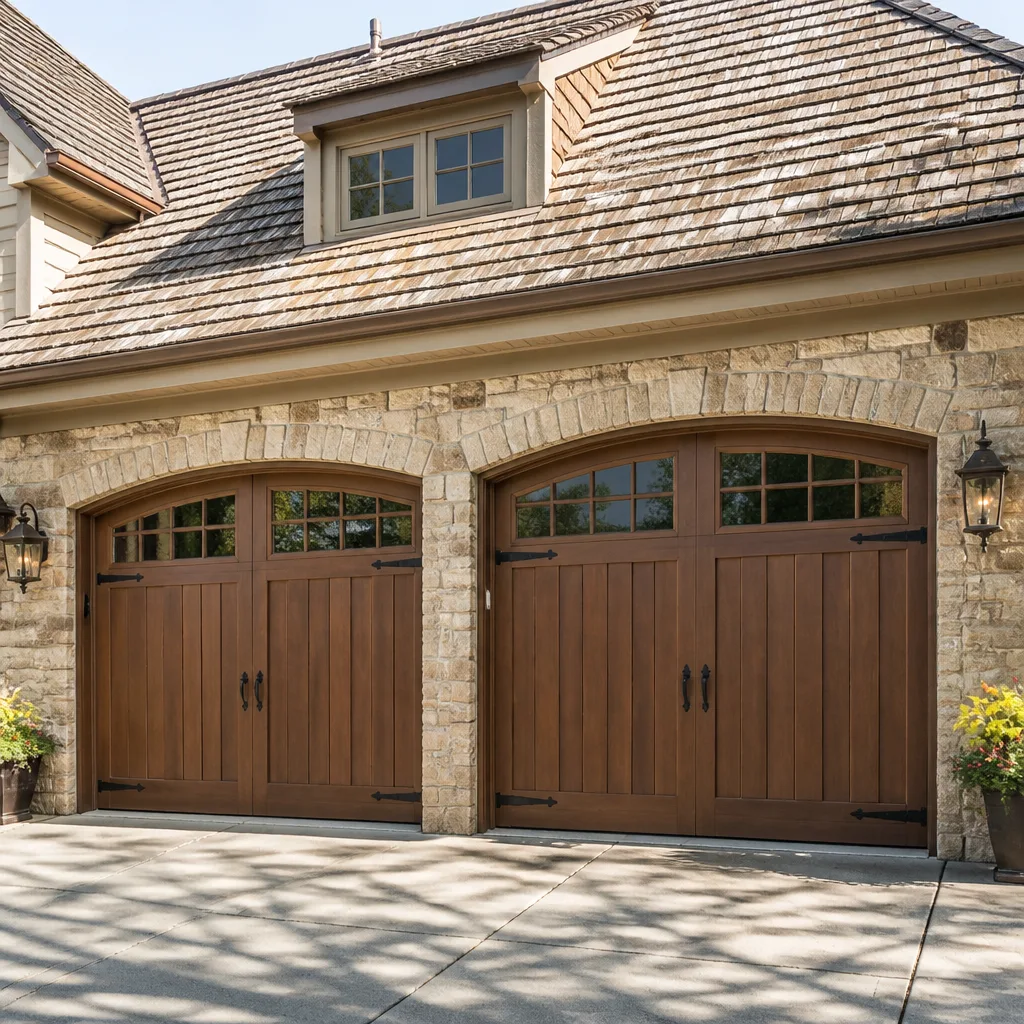 Carriage house
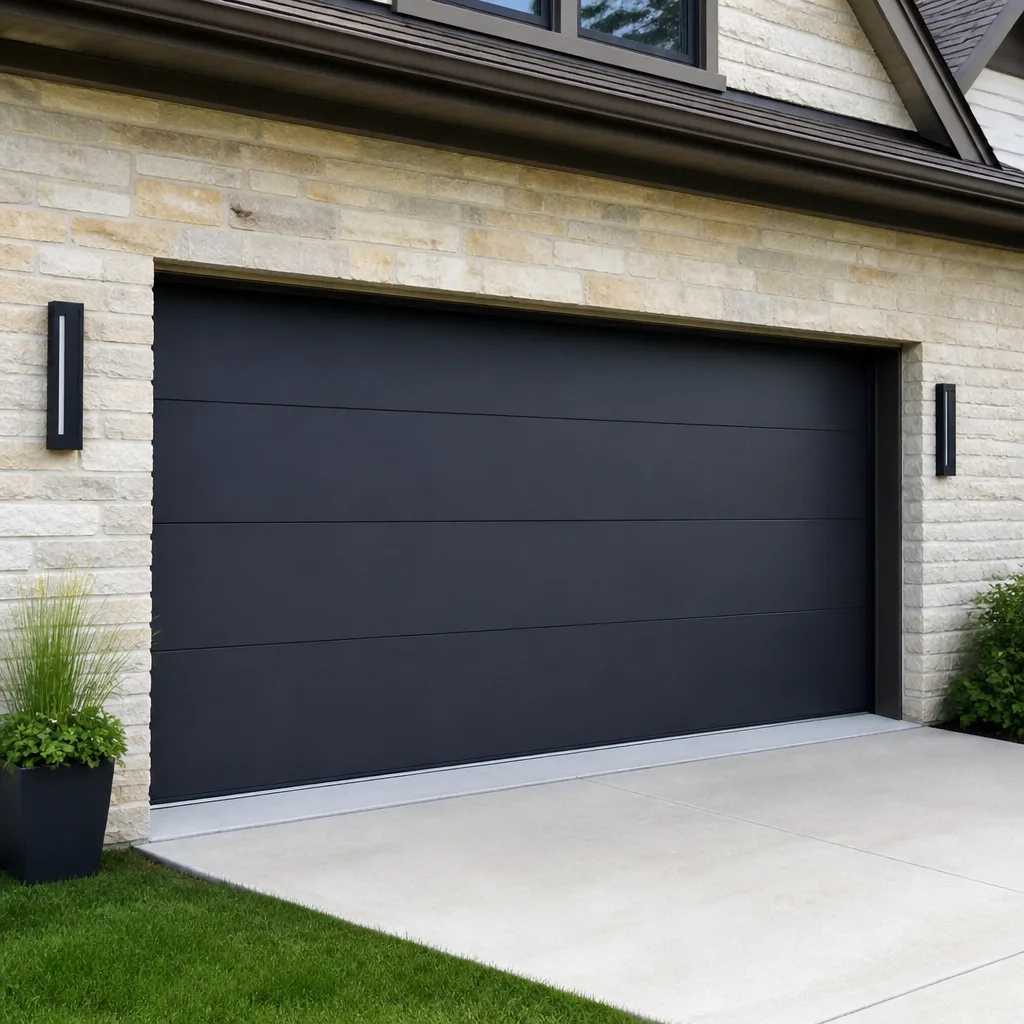 Modern flush
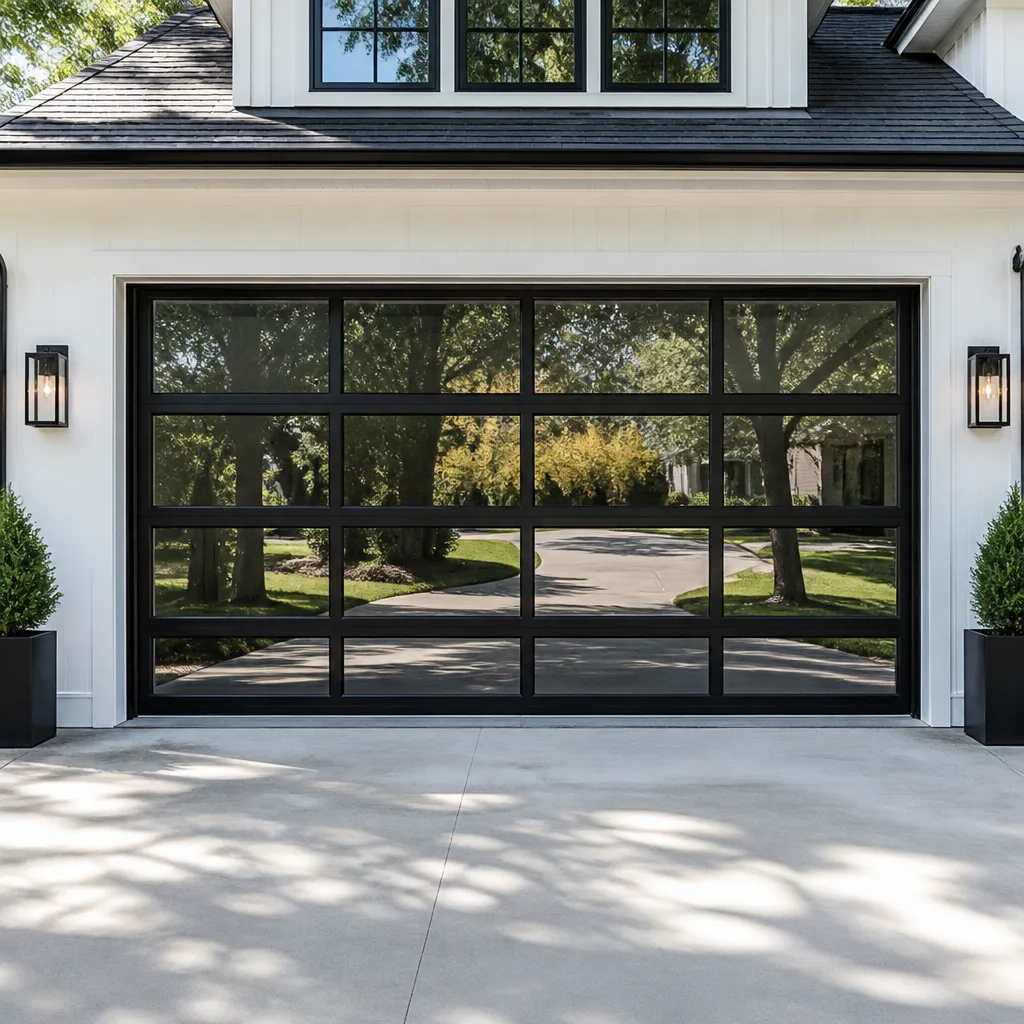 Full-view glass
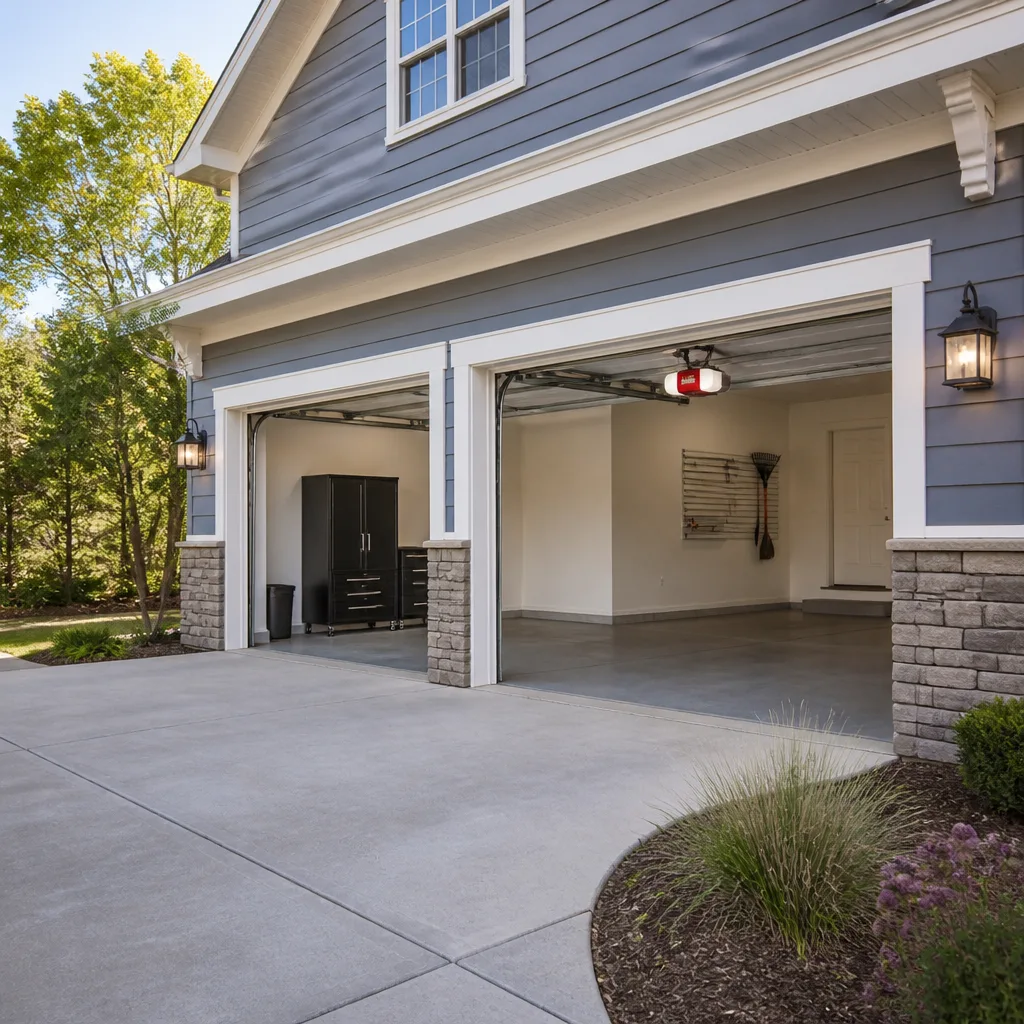 LiftMaster openers
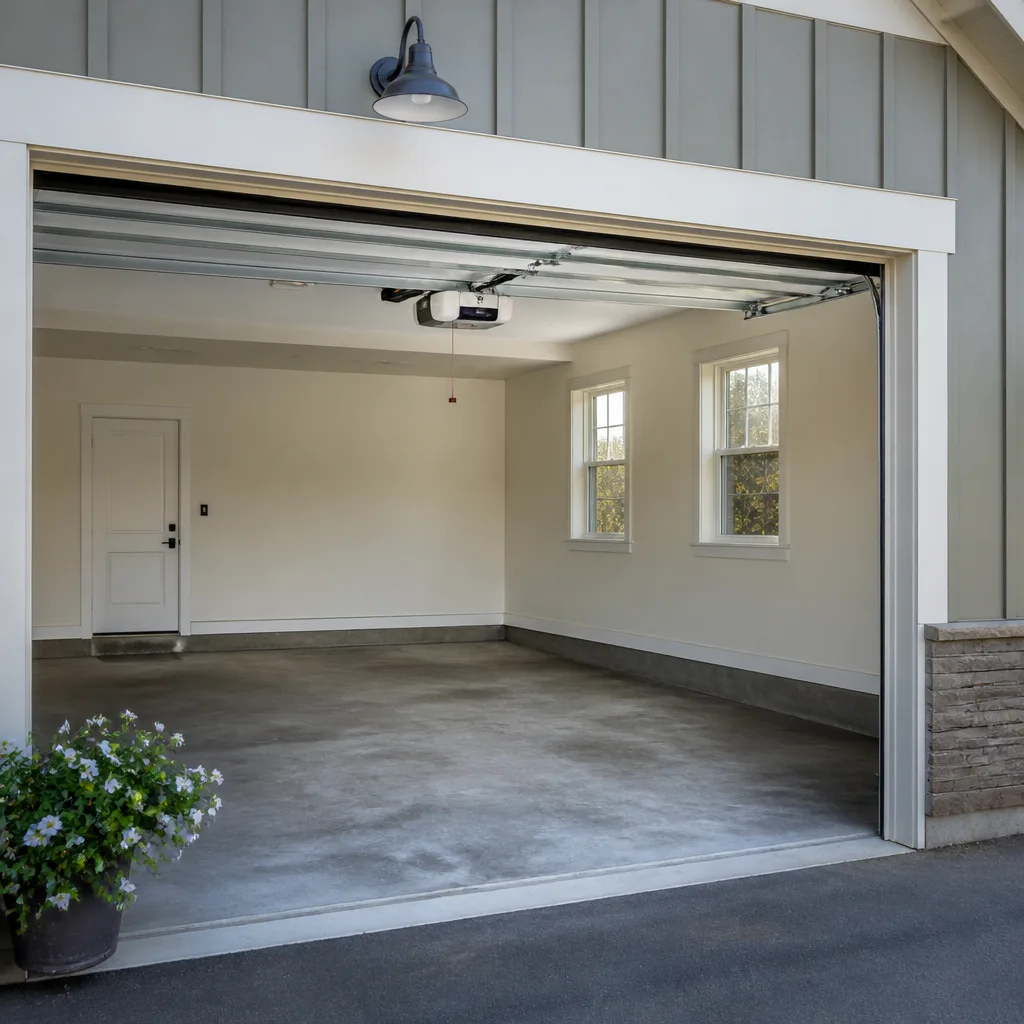 Chamberlain openers
Full 25-point door and opener safety check with every visit - springs, cables, rollers, tracks, and your LiftMaster or Chamberlain opener included
You get a price before we start. It does not change when the pro arrives.
Get your free estimateSeasonal Garage Door Care for Woodridge: Year-Round Homeowner’s Guide
The garage door that works fine in October is the one that freezes shut in January. Not because anything broke, but because nobody dealt with the track misalignment it picked up during an August humidity stretch. Garage doors don’t fail all at once. They fail in the season after the one that quietly set the failure in motion. Woodridge gets four genuinely different seasons, and each one puts a different kind of stress on springs, cables, tracks, panels and seals. This guide walks you through what’s happening to your door’s hardware month by month and gives you a season-by-season action plan, so you can tell the difference between a routine check and a job that needs a Garage Door Repair Woodridge specialist.
Quick Answer
Seasonal garage door care in Woodridge means addressing a different stress each quarter: summer humidity that swells wood and stresses painted steel, fall prep that prevents cold-weather failures, winter cold that stiffens springs and freezes seals, and a spring inspection of cables and weatherstripping after the last freeze. A short check at each seasonal inflection point catches most problems before they turn into a door that won’t open on a workday morning.
Styles & brands we work with
- Raised-panel steel
- Carriage house
- Modern flush
- Full-view glass
- LiftMaster openers
- Chamberlain openers
Table of Contents
- Why Seasonal Care Matters More in Woodridge Than You’d Think
- Summer: Humidity, Swollen Tracks, and What It Does to Panels
- Fall: The Pre-Winter Prep Sequence
- Winter: Cold, Stiff Springs, and Temperature Thresholds
- Spring: Post-Freeze Inspection Priorities
- Building a Year-Round Reminder System
- Common Mistakes to Avoid
- Frequently Asked Questions
Why Seasonal Care Matters More in Woodridge Than You’d Think
A garage door is a machine that lives outdoors but gets treated like a wall. It cycles several times a day, carries hundreds of pounds of tension in its springs, and sits in whatever weather Woodridge hands it. When the weather changes, the hardware changes with it. Metal expands in heat and contracts in cold. Wood absorbs moisture and lets it go. Rubber seals harden, crack and lose their grip. None of that is dramatic in a single day. Over a full year, though, it’s the difference between a door that runs quietly and one that needs an emergency call.
Houses around Woodridge sit on lots where the garage often faces the afternoon sun, which means one side of the door bakes while the other stays shaded. That uneven exposure is why panels can look fine from the street while one edge has started to bow. It’s also why the same model of door can behave differently from one block to the next.
What we’ve learned servicing every major brand on the market is that the door itself is rarely the weak link. It’s the small adjustments nobody made on time. A track that’s a quarter inch out of plumb in July becomes a roller that grinds by November. A bottom seal that’s cracked in September lets meltwater in by February. Our technicians have up to 15 years of experience, and the pattern holds across every brand we work on, from Craftsman to Raynor.
Here’s what a year of seasonal care actually protects:
- The springs, which carry the door’s weight and are the most safety-critical part of the system.
- The tracks and rollers, which decide whether the door travels smoothly or fights its way up and down.
- The panels, which take the brunt of humidity, sun and freeze-thaw movement.
- The bottom seal and weatherstripping, which keep water, cold air and pests out of the garage.
- The opener, which works harder when the door is stiff or misaligned, and wears out faster as a result.
Summer: Humidity, Swollen Tracks, and What It Does to Panels
Woodridge summers are humid enough that garage doors made with wood frames or wood-core panels quietly take on moisture. Wood swells when it absorbs water and shrinks when it dries, and that cycle repeats all summer. The result isn’t usually a dramatic crack. It’s a panel that bows slightly, a section joint that opens up, or a frame that pushes against the track. Once a track is pushed out of alignment, the rollers start riding at an angle and the door gets louder and slower.
Painted steel panels have a different summer problem. Humidity plus heat is hard on any painted surface, and over roughly five years of seasonal cycling you’ll typically see the first signs of trouble: small bubbles near the bottom edge, chalky fading on the sun-facing side, or rust starting at a scratch or a fastener. Once moisture gets under the paint film, it spreads sideways faster than most homeowners expect. Touch-up paint applied early does more than any repair you’ll make later.
Here’s the summer check we recommend for any Woodridge home:
- Run the door up and down and listen. Grinding, squealing or a door that hesitates at the same spot each time points to a track or roller issue.
- Look at the track on both sides for gaps between the track and the door’s edge. If one side has daylight and the other doesn’t, the track has moved.
- Check wood panels and frames for swelling, soft spots or joints that have opened.
- Walk the painted surfaces looking for bubbles, rust spots or chalky patches, and touch up bare metal before fall.
- Wipe the tracks clean of grit and old lubricant; summer dust mixed with grease turns into a paste that slows the rollers.
If you’re hearing a consistent grind or the door shudders on one side, that’s the point to have it looked at rather than waiting for it to fail completely. A garage door repair visit in late summer is far cheaper than one in the middle of a January cold snap, when a small alignment problem has turned into a bent track or a snapped cable.
Fall: The Pre-Winter Prep Sequence
Fall is the season that decides how your door behaves in January. The most common cold-weather failures aren’t caused by cold itself; they’re caused by things that were already slightly off in October and got worse once the temperature dropped. The door that freezes shut usually had a worn bottom seal, a stiff roller or a slightly low spring tension before the first freeze.
Work through this sequence before the first hard frost:
- Test the balance. Pull the opener release (with the door closed) and lift the door by hand to about waist height. It should stay there on its own. If it drops or rises, the spring tension is off and needs adjustment by a trained technician.
- Inspect the bottom seal. Run your hand along the rubber seal at the floor. Cracks, flat spots and gaps at the corners all let cold air and meltwater in. Replace it before winter, not after.
- Check the weatherstripping around the frame. Loose or torn strips let wind-driven snow and water past the door’s edge, which is where ice dams form at the base.
- Lubricate moving parts. Rollers, hinges and the torsion bar get a proper garage door lubricant, not general-purpose oil, which attracts grit.
- Look at the cables. Frayed strands, kinks or cables that have jumped a drum are a stop-now issue. Cables are under extreme tension and should never be handled by a homeowner.
- Clear the door’s travel path. Anything stored close enough to touch the door as it moves will jam it once the weather turns.
- Test the safety reverse. Put a piece of wood flat on the floor in the door’s path and close it. The door should reverse on contact. If it doesn’t, the opener needs attention.
One note on the safety side: torsion springs and cables are under enough tension to cause serious injury if they’re handled wrong. Spring adjustment and cable work belong to a trained professional, full stop. If your fall check turns up a balance problem or a damaged cable, call us rather than reaching for tools.
Winter: Cold, Stiff Springs, and Temperature Thresholds
Cold changes how a garage door behaves. Steel springs lose some of their elasticity as the temperature drops, which means a spring that balanced the door perfectly in October can feel noticeably weaker in a hard freeze. The door gets heavier to lift, the opener works harder, and the whole system sits closer to its limits. Most homeowners never connect a sluggish door in January to the temperature, but it’s one of the most predictable patterns we see in Woodridge.
Below freezing, a few things happen at once. Lubricant thickens. Rubber seals harden and lose their ability to flex, so the door closes on a stiffer gasket and sometimes doesn’t seal evenly. Any moisture that got into a track or behind a seal can freeze and expand, which is how small gaps turn into cracks. And a door that was already slightly out of balance in fall will now struggle to open at all.
The winter routine is mostly about watching and not forcing:
- Listen to the opener. A motor that sounds strained or runs longer than usual is telling you the door has gotten heavier. Don’t keep cycling it and hoping; have the balance checked.
- Don’t force a stuck door. If the door won’t move, the issue might be ice, a frozen seal or a spring that’s reached the end of its life. Pulling harder can bend panels or damage the opener.
- Keep the bottom of the door clear. Snow piled against the door and ice at the threshold are the most common reasons a door won’t close fully in winter.
- Watch for a door that opens unevenly. One side rising before the other is a classic sign of a spring or cable problem that cold weather has pushed over the edge.
If a door fails on a Saturday, we’re closed that day, but you can call and we’ll book you for Sunday. We’re open Sunday through Friday, 7am to 7pm, and winter is when that availability matters most. A door that won’t close is a security problem as much as a convenience one, so don’t sit on it until spring.
Spring: Post-Freeze Inspection Priorities
Once the last freeze is behind Woodridge, the door has just come through its hardest stretch of the year. Spring is when you find out what winter did. The freeze-thaw cycle is hardest on anything flexible, and that means cables, the bottom seal and weatherstripping get top priority.
Here’s what to inspect, in order:
- Cables. Look for fraying, kinks, rust or cables that have slipped off the drum. Cables that saw repeated freezing and thawing are more likely to fail, and a snapped cable can drop a door. This is an inspection only; don’t adjust or remove them yourself.
- Bottom seal. Winter is brutal on rubber. A seal that hardened in the cold often cracks at the corners first. Check the full length of the seal and both corners for splits and gaps.
- Weatherstripping around the frame. Freeze-thaw movement pulls fasteners loose and opens gaps. Look for strips that have pulled away, torn edges, or spots where daylight comes through with the door closed.
- Track alignment. Winter movement plus the summer humidity that preceded it often leaves tracks slightly out of line. Check for gaps between the track and the door’s edge and for any bend in the vertical sections.
- Panels and hardware. Check for rust spots that started over winter, loose hinges and rollers that no longer spin freely.
- The opener. If it strained all winter, spring is the time to have it checked. Belt and chain drives both wear faster when the door is heavy.
A spring inspection also catches the small stuff that compounds. A seal replaced in April keeps water out through summer storms and stops the freeze-thaw damage from repeating next winter. That’s the whole logic of seasonal care: you’re not fixing this season’s problem, you’re preventing next season’s.
Building a Year-Round Reminder System
The single biggest reason seasonal care gets skipped is that nobody remembers to do it. A calendar system tied to Woodridge’s temperature inflection points solves that better than a vague “check the door now and then.”
Set these reminders:
- Early June (start of humid season): track check, panel inspection, clean and lubricate the tracks and rollers.
- Early September (before first frost): full pre-winter sequence, bottom seal and weatherstripping check, balance test, safety reverse test.
- Mid-January (deep cold): listen to the opener, watch for uneven travel, clear snow and ice from the door’s base.
- Early April (after last freeze): cable, seal and weatherstripping inspection, track alignment check.
Two extra habits help more than any calendar entry. First, once a month, run the door and listen for anything new. A change in sound is the earliest warning you’ll get. Second, after any stretch of extreme weather, whether it’s a week of high humidity or a hard cold snap, do a five-minute walk-around. It’s the fastest way to catch something before it becomes a repair bill.
If you’d rather have the checks done properly, a garage door specialist can walk through the whole list in a single visit. That’s especially worth doing on older doors where the spring, cables and opener are all aging together. If your opener is the part that’s struggling, our garage door opener repair service covers every major brand, including LiftMaster, Chamberlain and Genie, so a strained motor gets diagnosed rather than patched.
See the difference
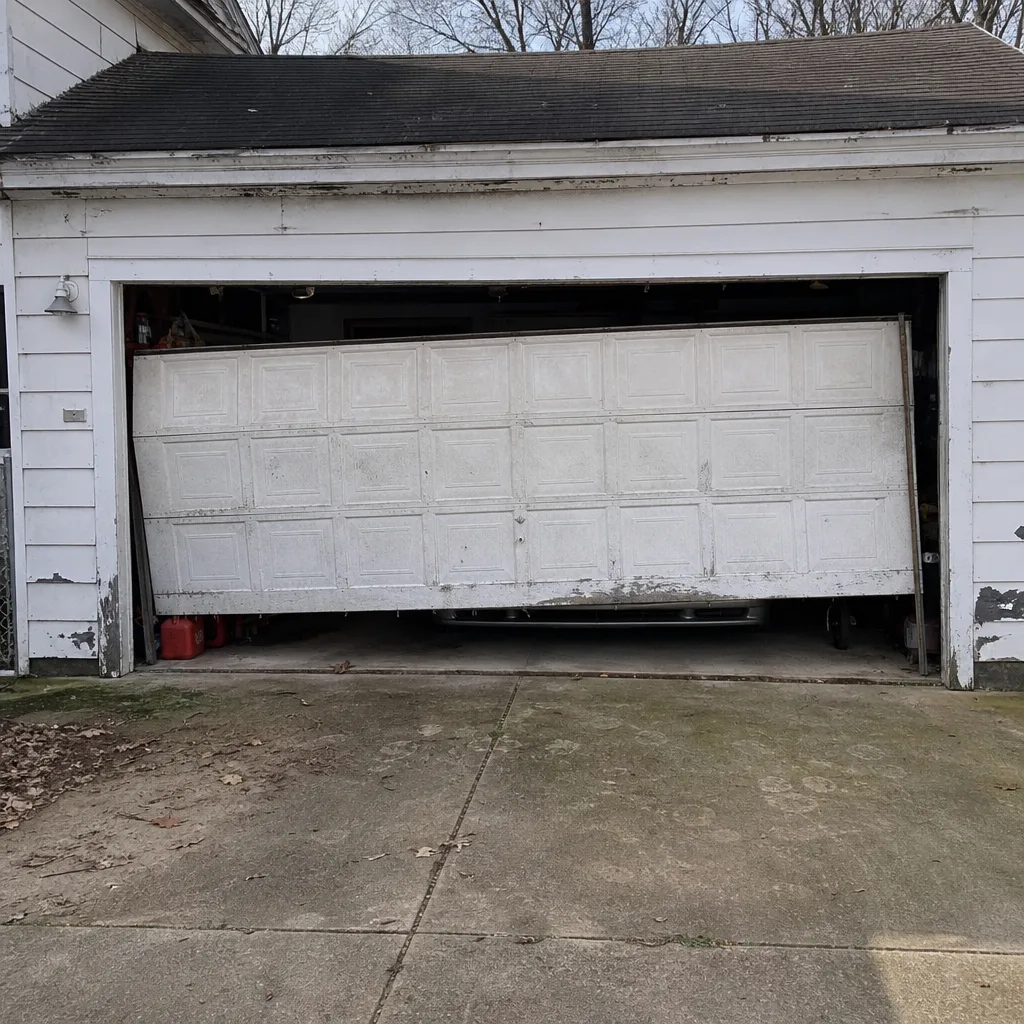 Before
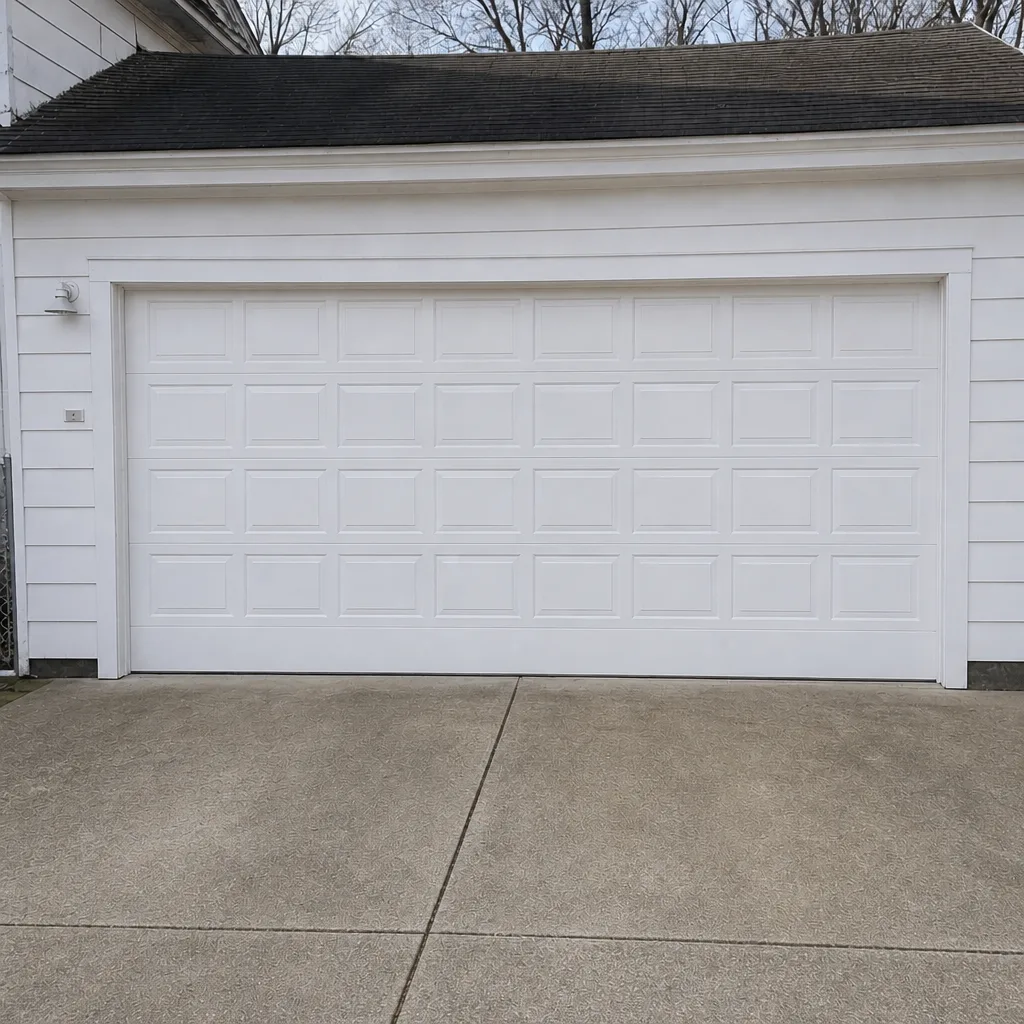 After
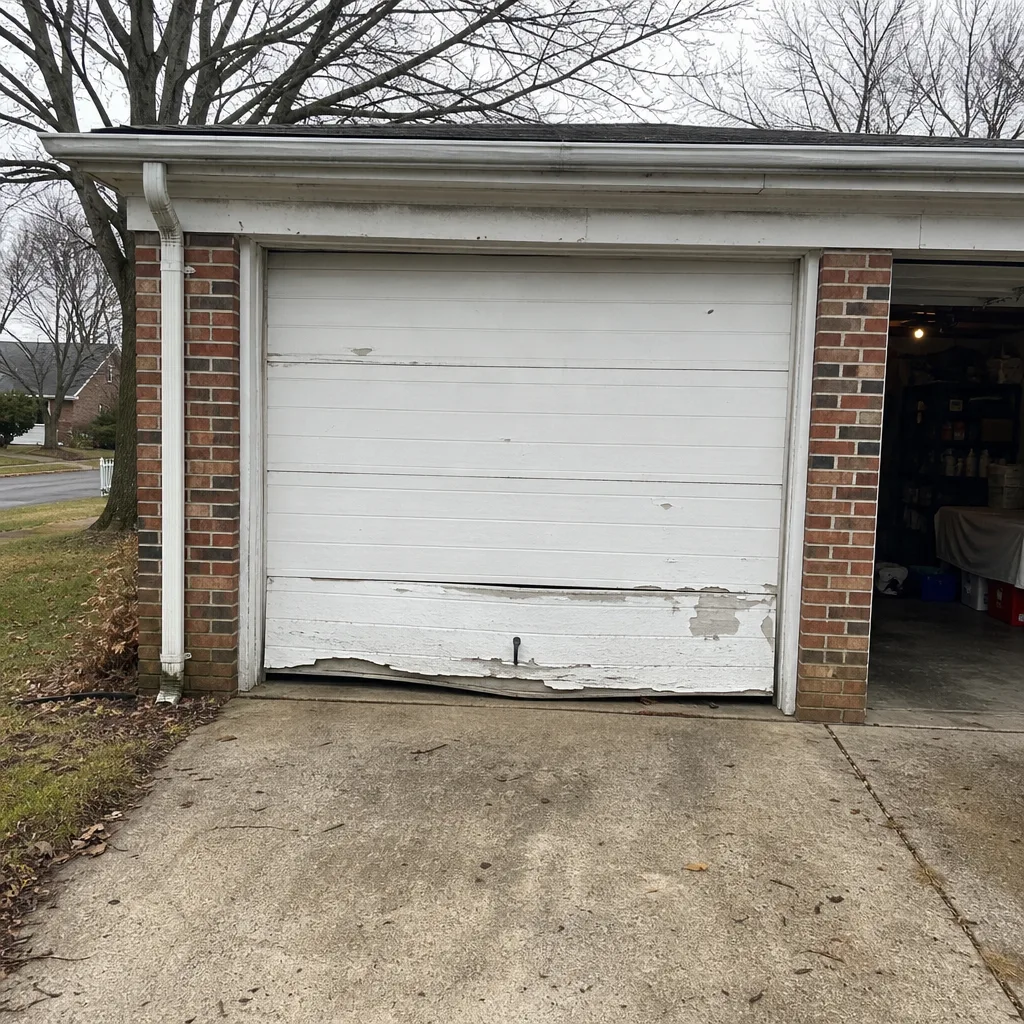 Before
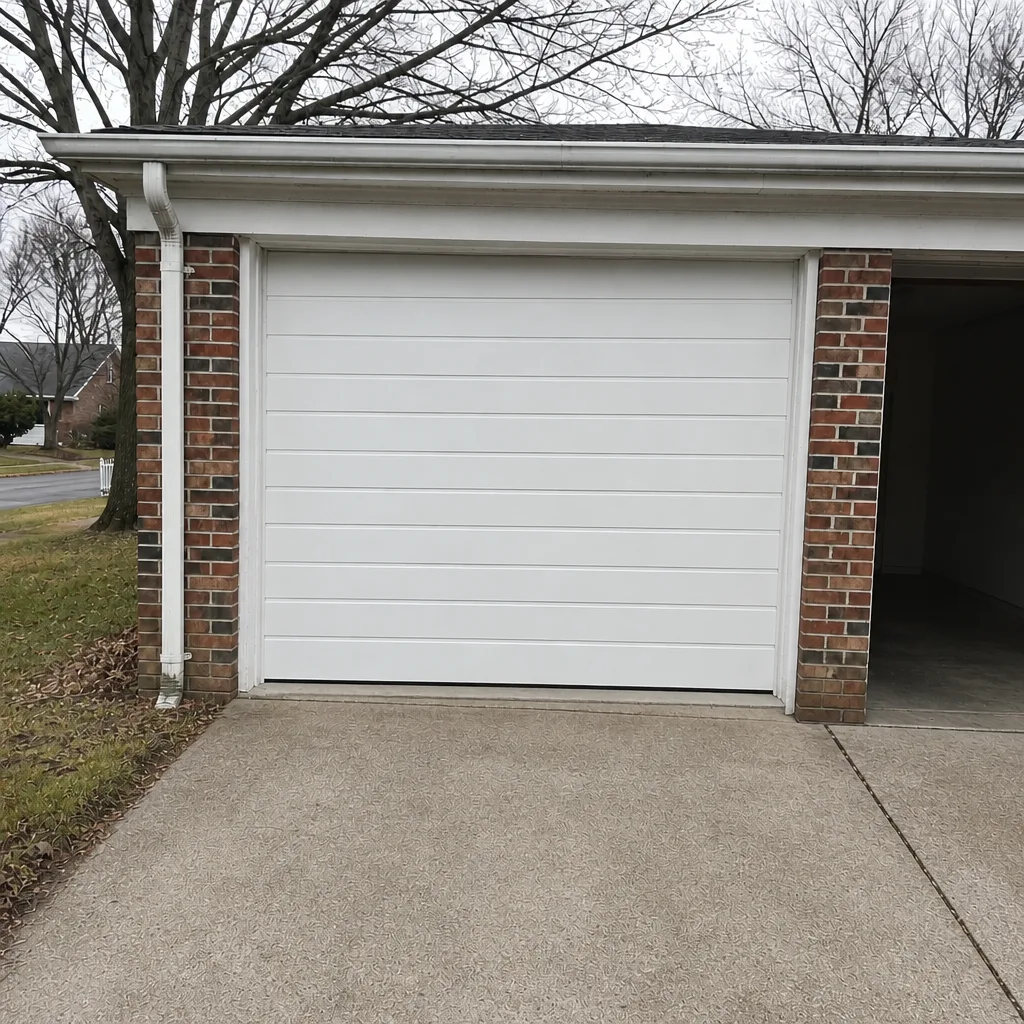 After
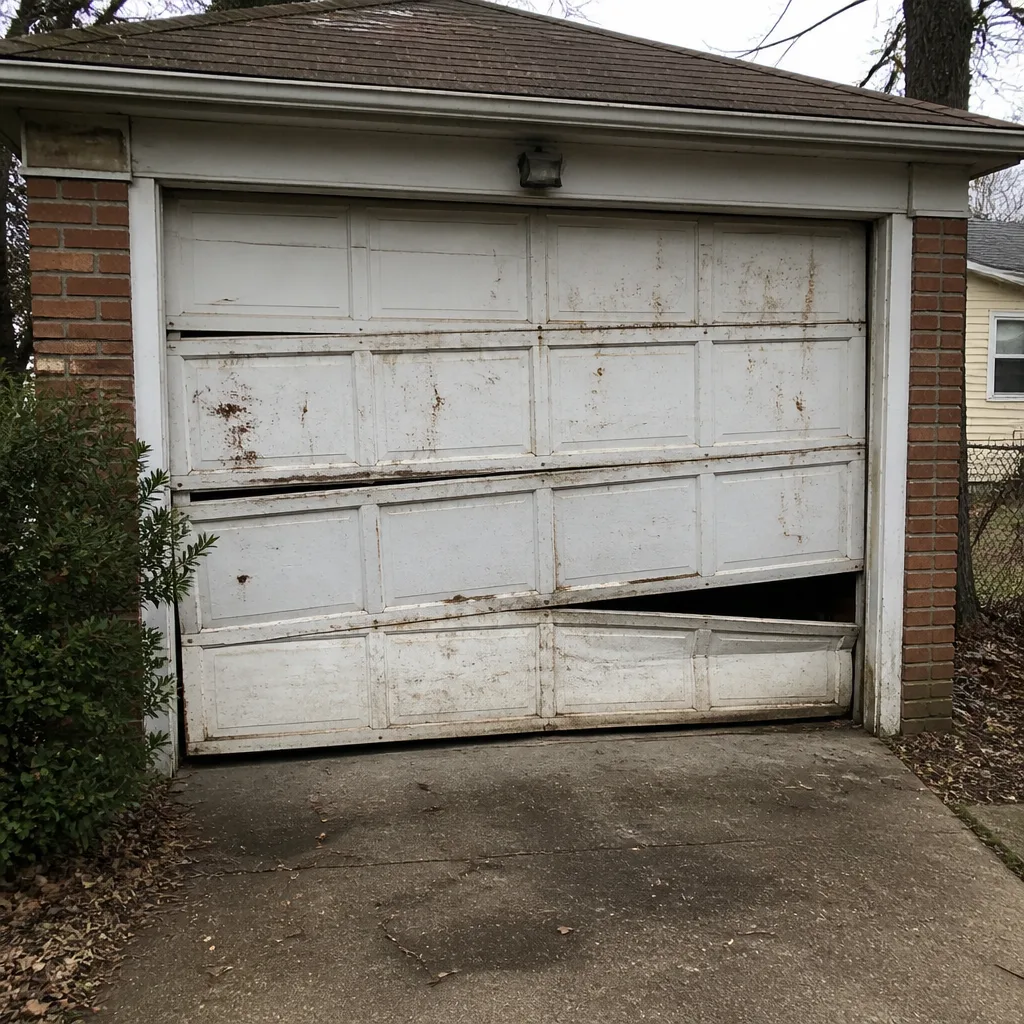 Before
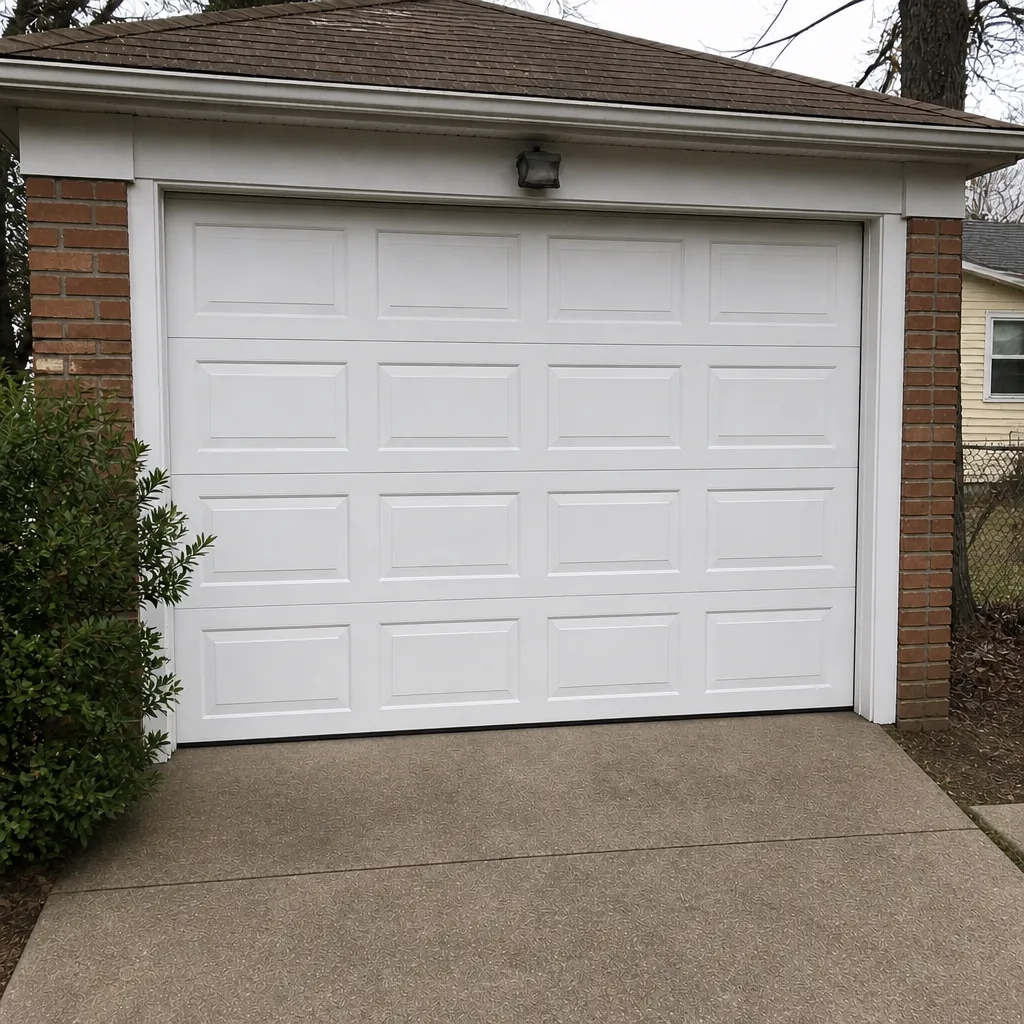 After
Common Mistakes to Avoid
- Ignoring a track misalignment through the summer. Woodridge humidity pushes wooden frames and panels outward, and a track that’s a little off in July will grind the rollers all fall. Fix the alignment when you notice the sound, not when the door stops working.
- Skipping the fall balance test. Most cold-weather failures trace back to a door that was already out of balance before the first freeze. A two-minute balance check in October tells you whether the spring needs a technician’s attention.
- Replacing the bottom seal after winter instead of before. A cracked seal lets meltwater and cold air into the garage all winter and makes the freeze-thaw damage worse. Replace it in fall.
- Forcing a frozen or stuck door. Pulling harder on a door that won’t move can bend panels, strip the opener’s gears or damage the cables. Call a specialist and leave the door alone.
- Using general-purpose oil on the hardware. Thick oil attracts grit and turns into paste in the tracks. Use a proper garage door lubricant, lightly, on rollers, hinges and the torsion bar.
- Touching the springs or cables yourself. Torsion springs and cables are under extreme tension and can cause serious injury. Visual inspection is fine; adjustment and repair are not a homeowner job, in Woodridge or anywhere.
- Letting rust spots sit through the winter. A small paint chip on a steel panel spreads once moisture gets under the paint. A touch-up in fall costs almost nothing compared with dealing with a rusted panel later.
When to Call a Professional
Call a specialist if the door opens unevenly, if it won’t stay at waist height when you lift it by hand, if you hear a loud bang from the spring area, or if you see a frayed or kinked cable. Those are all signs of tension problems that aren’t safe to work around. Call us if the opener strains, reverses without reason, or stops mid-travel. And call if any seal or panel has damage you can’t fix with a touch-up, because small gaps get worse in the next season. Garage Door Repair Woodridge offers free estimates in Woodridge, and we can work with every major brand on the market, so you’re not stuck tracking down a second number to get the job finished. If the door needs replacing rather than repairing, we handle garage door installation as well as repair. Call (844) 443-4173 for a free estimate.
Frequently Asked Questions
Once a year at minimum, ideally in fall before the first freeze, plus a visual check each season. Because Woodridge gets distinct humidity and hard freezes, hardware that sits untouched through a full year can end up with track misalignment and a cracked bottom seal. A yearly professional service combined with seasonal homeowner checks catches the small stuff before it compounds.
Yes, for most repair jobs, including spring, cable and opener problems. We’re open Sunday through Friday, 7am to 7pm, and we’re closed Saturday. If your door fails on a Saturday, call and we’ll book you for Sunday. Call (844) 443-4173 for an exact quote; estimates are free.
Cold weather stiffens springs and thickens lubricant, so the door feels heavier and the opener works harder. A door that was slightly out of balance in fall will struggle noticeably below freezing. If the door also opens unevenly or the opener sounds strained, have the balance checked before it turns into a bigger repair.
Yes, spring repair is one of our named specialties. Springs carry the door’s weight and are under extreme tension, so adjustment and replacement are strictly professional work. Never attempt a spring repair yourself. Call (844) 443-4173 for a free estimate.
A typical spring repair estimate depends on the door’s size, weight and the type of spring, and a matched pair is usually replaced together rather than one spring. The specific range varies from job to job, so call us and we’ll give you the number before any work begins. The written estimate you agree to is the price. Call (844) 443-4173; estimates are free.
No. We quote the job and you agree to the price before any work starts. If the technician finds something that genuinely changes the scope, you’ll hear about it and approve it first. Call (844) 443-4173 for a free estimate.
The local professionals we connect you with are licensed and insured as their state requires. They work on every major brand on the market, from LiftMaster to Raynor. Call (844) 443-4173 for a free estimate.
The Bottom Line
Seasonal care is the difference between a garage door that lasts quietly and one that surprises you at the worst time. In Woodridge, that means paying attention to summer humidity and the track misalignment it causes, prepping properly in fall, respecting winter cold and the strength it takes out of your springs, and inspecting cables and seals after the last freeze. None of these checks takes long. The point is to do them at the right time, before one season’s small problem becomes the next season’s failure. If anything on your list needs a trained eye, we’re a call away, and a free estimate is the fastest way to know exactly what your door needs.
Written by the team at Garage Door Repair Woodridge.